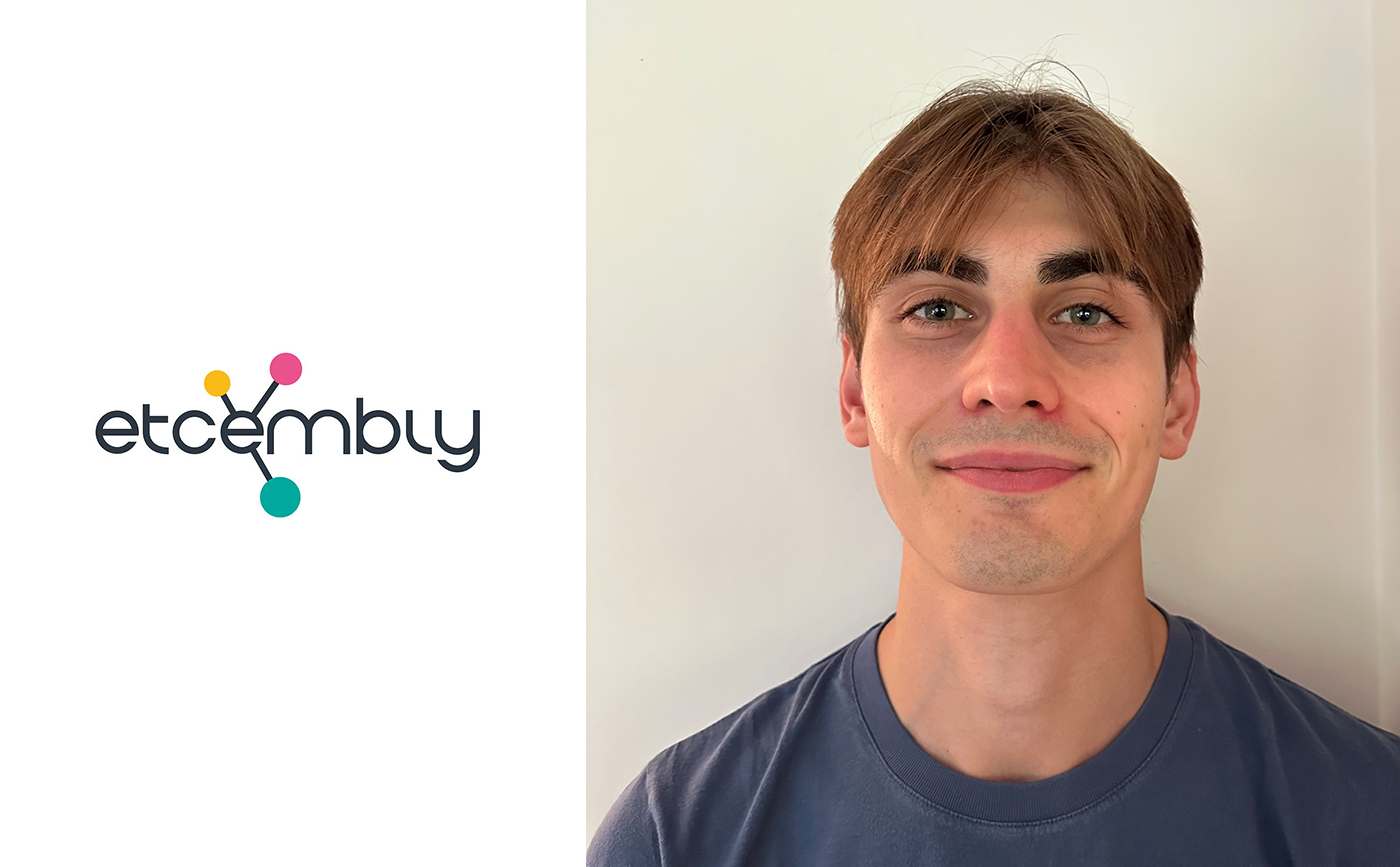
Supporting the next generation in biotech
Gusztav Milotay started off his research career with Harwell Campus resident startup Etcembly as an intern in their microfluidics department after finishing his degree. Now, the company is supporting him with a bursary for his PhD at The University of Oxford. Gusztav shares what he learned during his time with Etcembly, and why he feels it’s so important for startups to give opportunities to fresh scientific talent.
My undergraduate degree in biochemistry took place right in the middle of the COVID-19 pandemic, which limited my real-world and lab experience. So at the end of my three-year course, I decided to step out of academia and try some hands-on work in the biotech field.
I had a strong interest in the immunotherapy space, particularly TCRs and antibodies, and the role of protein structure in target recognition. After speaking with Michelle Teng, the CEO, I was fascinated to hear about the work Etcembly was doing in discovering and optimising TCR-based therapeutics and how they were tackling this problem with generative AI.
Recognising the limited amount of data in the public domain available for training their own models, they decided to make some of their own. Jake Hurst, the company’s Chief Technology Officer, then explained the microfluidics sequencing platform they were developing to generate proprietary TCR sequence data for their machine learning models.
I had always thought that biotech was quite an unforgiving industry for people with limited expertise like myself. It makes sense – it’s a specialised field and small companies don’t have a lot of time or resources for training. So I was delighted when they offered me the opportunity to come and work with them on a paid internship.
During my time I managed to learn a huge amount, ranging from various aspects of labwork to computational biology to protein engineering to cloning. The members of the team really took the time to explain what they were doing and help me develop new skills, and I was blown away by how friendly and patient everyone was. In turn, I noticed that having to communicate with other students helped to solidify my understanding – it’s only when you truly understand something that you can explain it in a way that people can grasp.
I think I also brought a fresh perspective by being a newbie in the field, asking the questions that made people see the bigger picture to solve the challenges they were facing. While I was there, the team successfully developed their first picomolar affinity bispecific TCR-based immune engager, which was amazing to see.
Although I was really enjoying being part of the Etcembly team, I realised that I did want to pursue a PhD. My initial plan was to go back to London, but then the team at Etcembly floated the idea of working in Oxford in Ben Fairfax’s lab. He’s a medical oncologist looking at interpatient variation in response to checkpoint inhibitors and the applications of immunotherapy in treating cancer. He has an extensive patient cohort and is doing a lot of single-cell work, so the opportunity seemed perfect for me.
The Etcembly team really got on board and made it happen – and not only helped me secure this position but also supported me with a bursary. They’ve given me freedom in both my experience at Etcembly and what I will pursue during my PhD.
I’m so grateful to Etcembly for giving me a chance to get stuck into the lab, and for their continuing support as I develop as a scientist. I owe a lot to them, and I hope I’ve been a worthwhile investment as I continue to progress my research career.
Related news
-
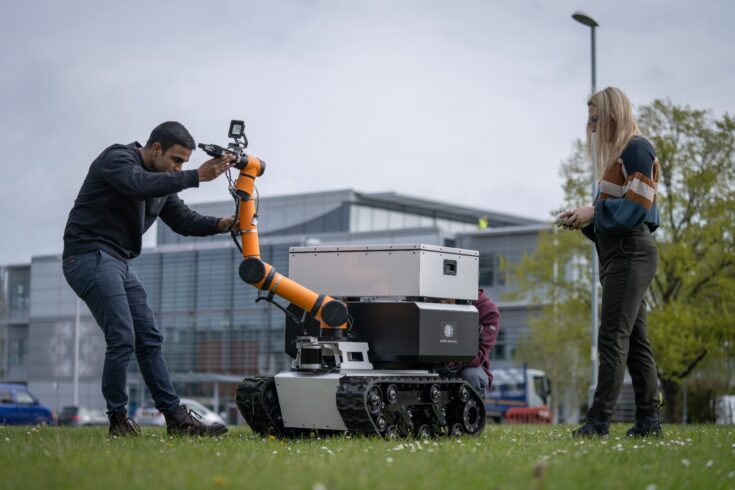
Oxford Dynamics secures place on UK Ministry of Defence Digital-Decision Open Framework
Oxford Dynamics based at Harwell Campus has been selected by the UK Ministry of Defence to be part of the Digital Decision Accelerators for Defence (DDAD) Open Framework – the primary deliver route for ASGARD, the British Army’s flagship transformation initiative under the Chief of the General Staff’s Growth Transformation Strategy. This programme will transform…
-
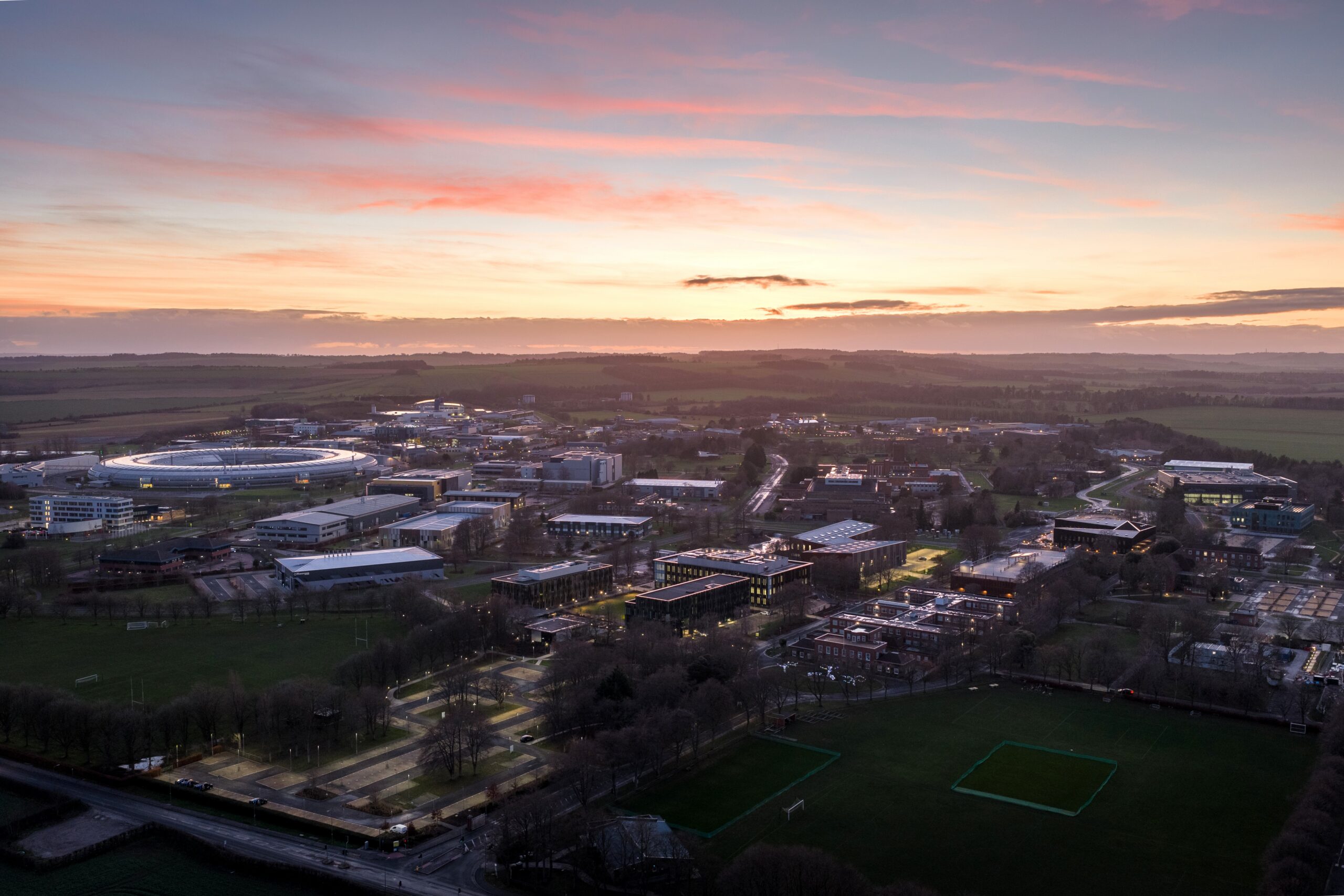
Harwell Campus launches public consultation to shape its vision as it looks to its centenary
Harwell Science and Innovation Campus has launched a public consultation inviting local communities, businesses and stakeholders to help shape the next chapter of its long-term plans, as the campus looks ahead to its 100th anniversary. Building on more than 80 years at the forefront of UK scientific discovery, Harwell is setting out a 20-year vision…
-
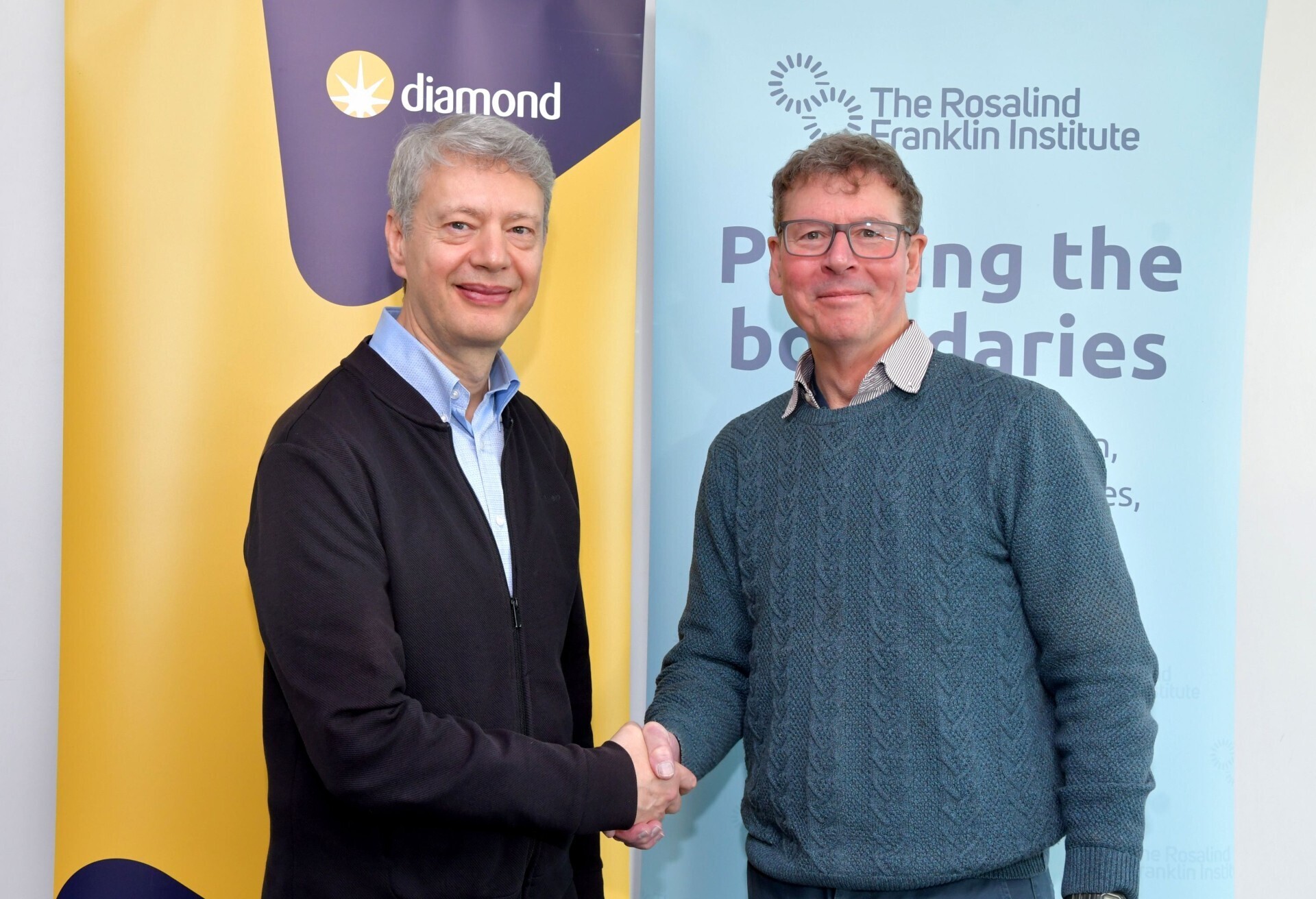
Diamond and Franklin formalise partnership to accelerate scientific breakthroughs
The Rosalind Franklin Institute and Diamond Light Source have signalled their join commitment to scientific partnership with a formal partnership agreement. The agreement establishes a collaborative framework for their scientists to work together seamlessly to further advance discovery and innovation for the life sciences community. Collaboration between Diamond and the Franklin is not new. One…
