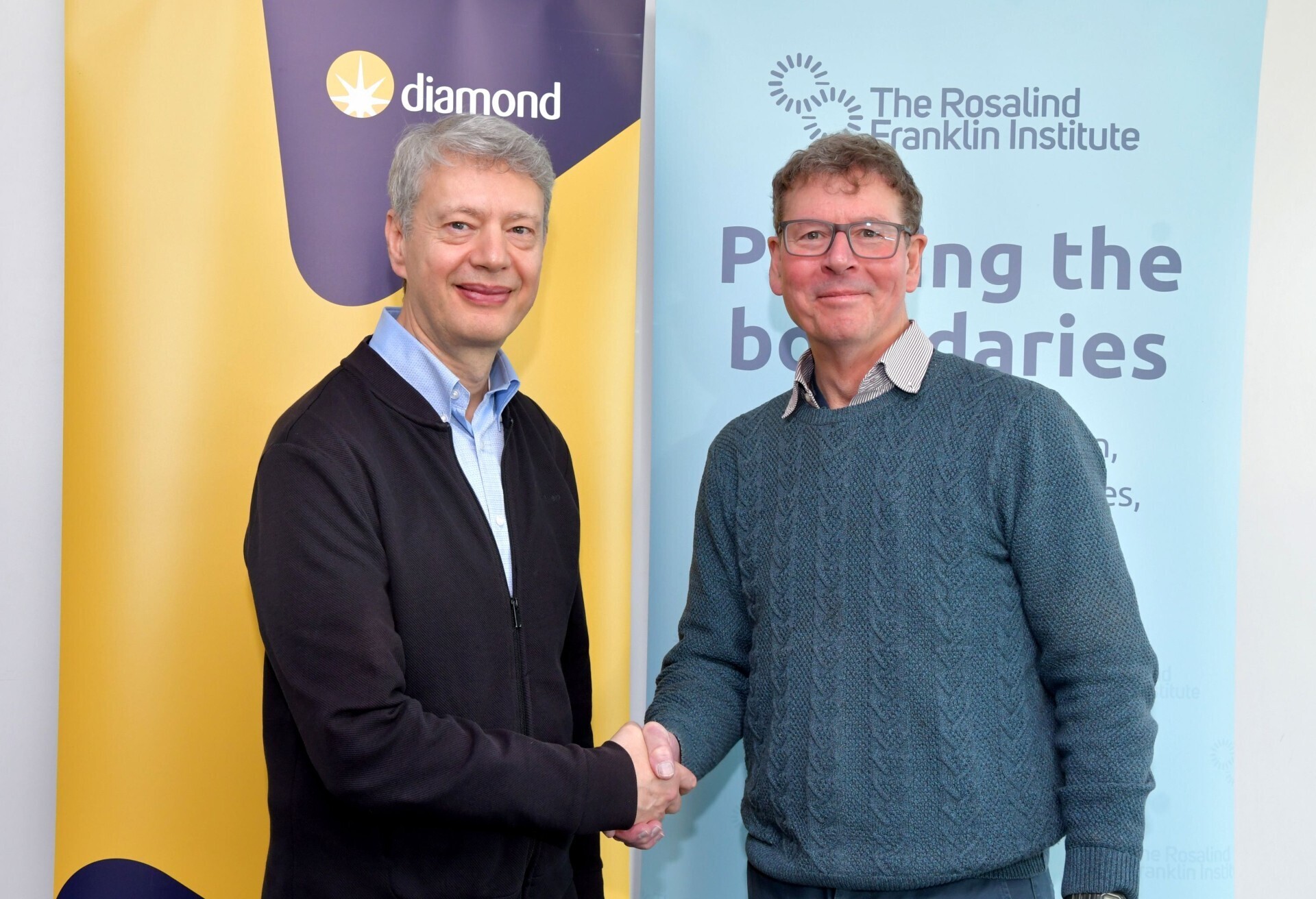
Diamond and Franklin formalise partnership to accelerate scientific breakthroughs
The Rosalind Franklin Institute and Diamond Light Source have signalled their join commitment to scientific partnership with a formal partnership agreement. The agreement establishes a collaborative framework for their scientists to work together seamlessly to further advance discovery and innovation for the life sciences community.
Collaboration between Diamond and the Franklin is not new. One rationale for building the Franklin at Harwell Campus lay in the synergies expected between its science and life science at Diamond. This synergy has already results in more than 70 joint publications and some high-impact breakthroughs in instrument design and applications of advanced microscopy. The new agreement is intended to focus and accelerate progress particularly in those areas where there are opportunities for world-leading advances.
Professor Gianluigi Botton, CEO at Diamond Light Source, said: “Out longstanding collaboration with the Rosalind Franklin Institute has already delivered remarkable scientific advances. By formalising this partnership, we’re strengthening our shared commitment to push the boundaries of imaging and structural biology. Together, we can accelerate discovery and deliver new capabilities for the life sciences community.”
The formal collaboration agreement recognises that the organisations already have shown that they can work together not only on individual projects, but also on long term, major programmes, including the ongoing (2021-27) Wellcome Trust–supported Electrifying Life Sciences programme.
This initiative is delivering both next-generation imaging capabilities of thick biological specimens at near-atomic resolution using cryo-electron tomography enabled by chromatic aberration correction and energy filtering, and high energy 1 MeV electron diffraction and imaging through the application of advanced synchrotron sample environment technologies into electron microscopy. These techniques promise to revolutionise capabilities for drug discovery, structural biology, and the visualisation of complex biological structures in their native cell context.
Other programmatic successes include collaboration to deliver the Wellcome Leap funded In Utero project, for which their combined expertise enabled detailed 3D imaging of placental blood system, which offered new insights into its role in high-risk pregnancies. Joint efforts have also advanced AI-driven image segmentation through citizen science platforms, improving data processing for Diamond users, and supported beta-testing of cutting-edge cryo-EM sample preparation technologies.
Professor Paul Matthews, Director of the Franklin, said: “Capabilities and expertise at Diamond powerfully complement those at the Franklin. While we have done much working independently and through opportunistic collaboration, this agreement highlights our desire to achieve much more. Together, our resources are truly world leading for advanced molecular and cellular imaging with electrons and X-ray!”
As the major upgrade to Diamond capabilities begins and as Franklin technologies develop further, both organisations see even greater opportunities ahead for strengthening the UK’s scientific landscape particularly with a view to accelerating innovation in areas of high value for the pharmaceutical industry.
The Franklin and Diamond Light Source are two of the 14 national facilities based at Harwell Campus, forming one of the largest concentrations of publicly funded research infrastructure in Europe and making the Campus a critical engine of UK scientific capability and industrial innovation.
From Diamond, UK’s national synchrotron and advanced laser facilities, to satellite testing, space weather monitoring and quantum computing, Harwell’s national laboratories allow companies to accelerate R&D, de-risk innovation and shorten the pathway from discovery to commercial application.
This unique co-location of major national assets with a fast-growing commercial cluster means organisations at Harwell can collaborate directly with leading scientists, engineers and technologists, embedding cutting-edge capability into real-world products and services.
Together, the 14 national facilities underpin Harwell’s role as a strategic national asset attracting global investment, supporting high-value jobs, and strengthening the UK’s position as a world leader in science, technology and innovation.
Image: Diamond CEO Professor Gianluigi Botton and Director of Franklin, Professor Paul Matthews.
Related news
-
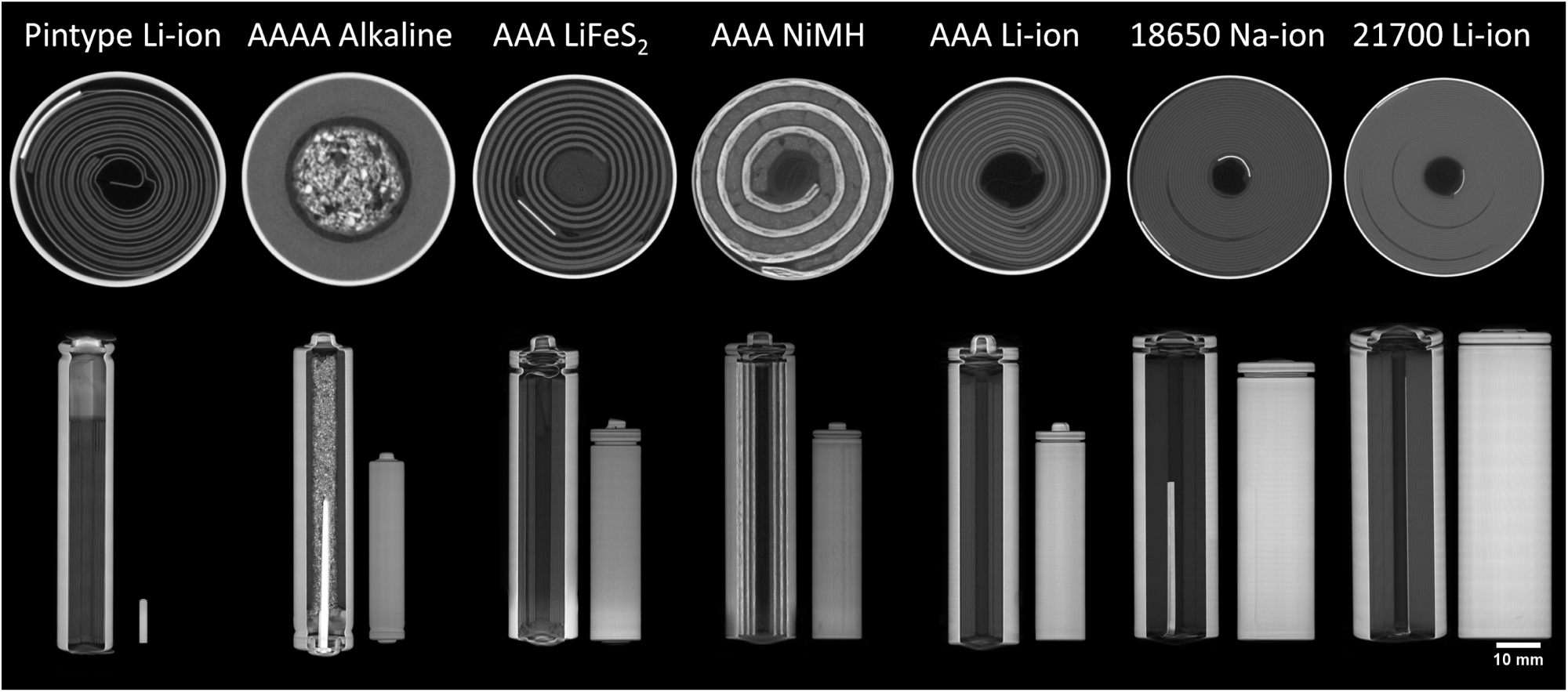
World’s first open-access battery imaging library launches
A collaboration between scientists from Diamond Light Source and the ISIS Neutron and Muon Source has contributed to the development of the world’s first open-access battery imaging library. The library was created through an international collaboration led by Dr Antony Vamvakeros, Royal Society Industry Fellow at Imperial College London and Research and Development Lead at…
-
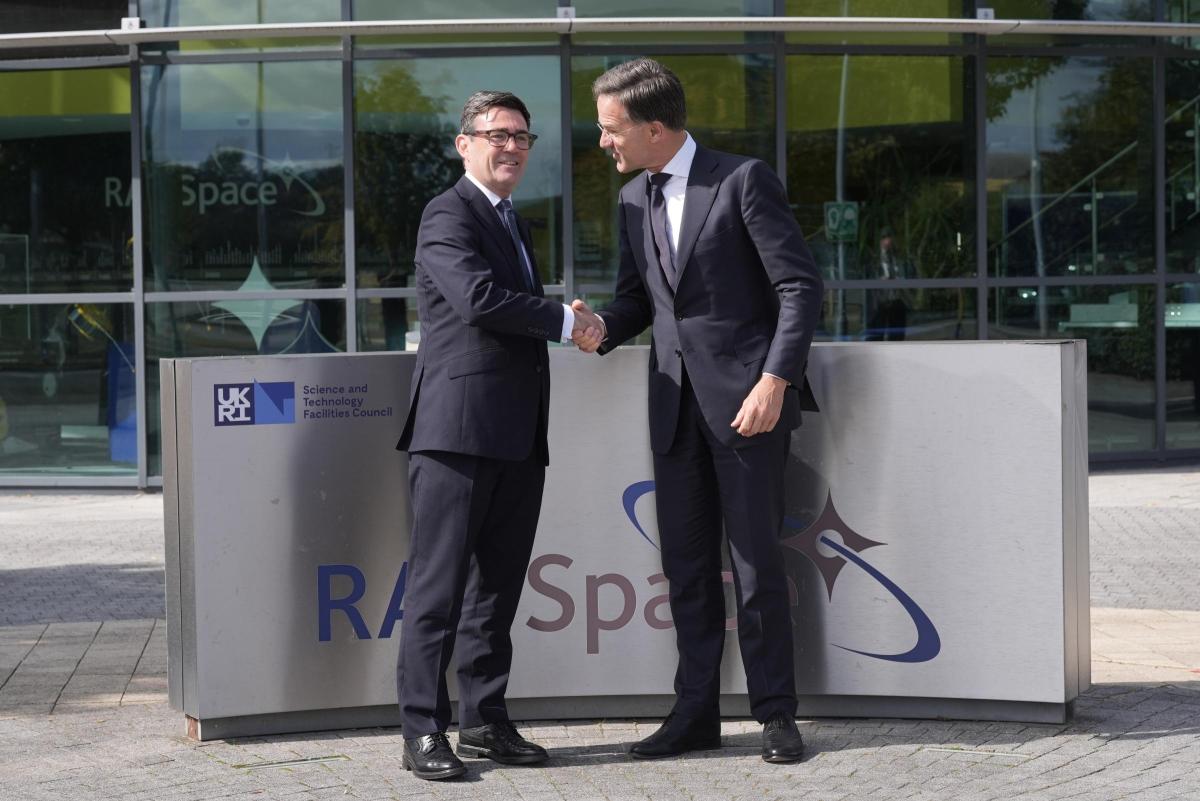
NATO Secretary General and Prime Minister visit Harwell to see UK space and defence capabilities
Harwell Science and Innovation Campus welcomed NATO Secretary General Mark Rutte and Prime Minister Andy Burnham on Wednesday 16 September, highlighting the strength of the UK’s space, defence and security capabilities. The visit brought together two important areas of the campus: Harwell’s established Space Cluster, home to more than 100 space organisations and 1,400 people,…
-
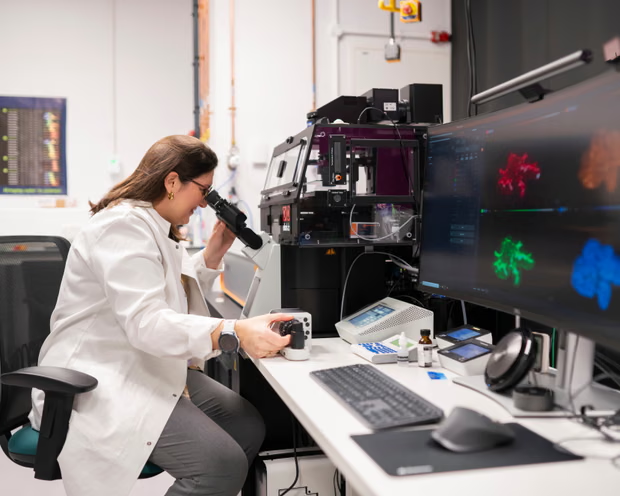
New funding to support the next generation of medical and materials breakthroughs
Thousands of patients and innovative businesses are set to receive a boost from over £162 million of funding for trailblazing science announced today (Monday 14 September) for two leading research institutes to create the medical technology and materials of the future. Based at Harwell Campus, The Rosalind Franklin Institute, a research centre dedicated to developing new…
