How Harwell’s scientists use light
Using light to see further, understand more and solve real-world challenges.
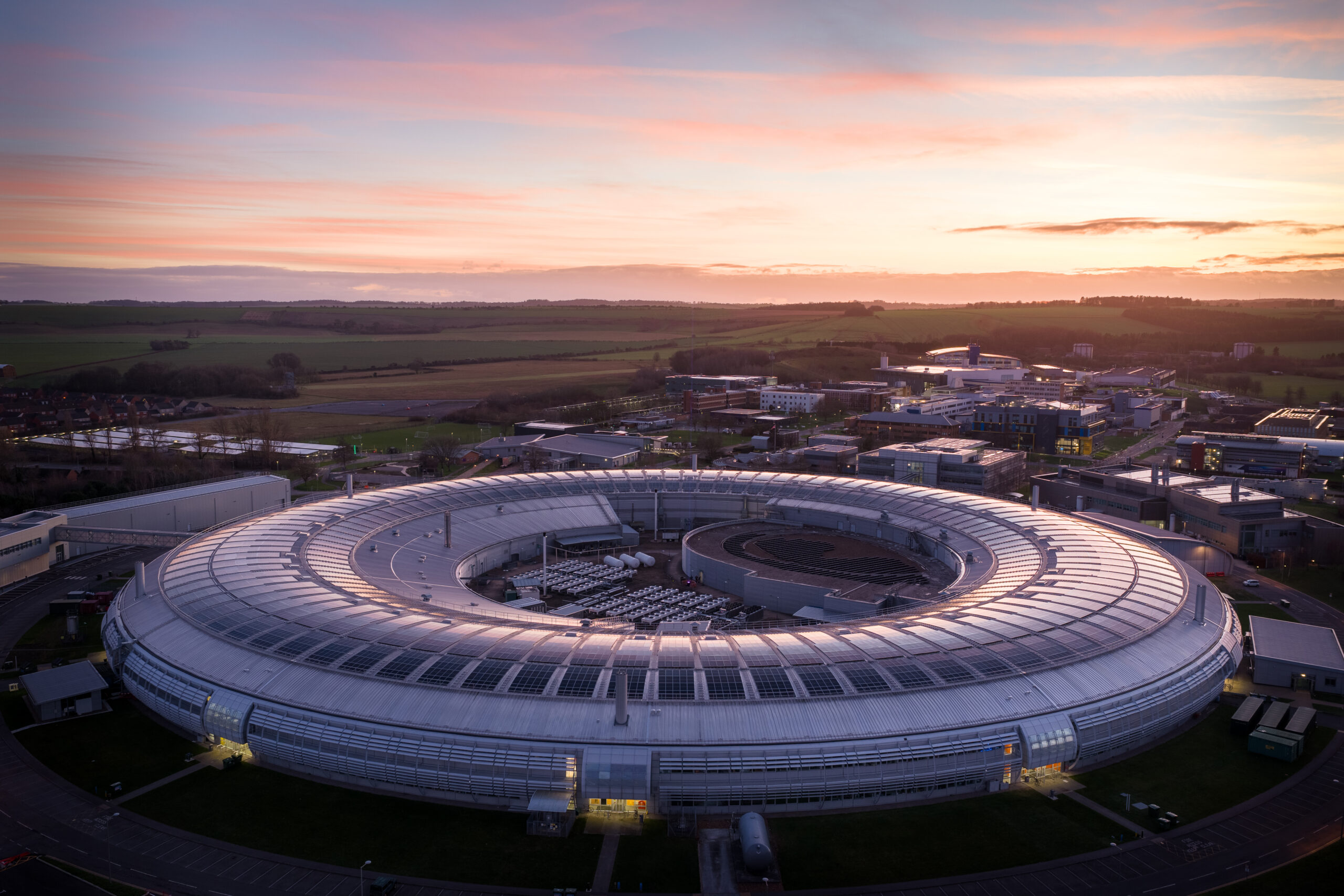
At Harwell Science and Innovation Campus, scientists use light in extraordinary ways to explore our planet, understand the universe, improve technology and solve real-world problems. From invisible radio waves and infrared light to powerful X-rays and lasers, different forms of light allow researchers to observe things far beyond the limits of the human eye.
The Light Project, is bringing Harwell to life with a vibrant calendar of events designed to spark curiosity and wonder for all ages. From awe-inspiring art installations such as the Museum of the Moon by Luke Jerram, to film festivals, hands-on science activities, talks, and tours, there’s something for everyone to enjoy. Whether you’re planning a family day out or want to dive deeper into the science shaping our world, we’ll have something for everyone.
Browse the event listings below to find out more and book your place. We’ll be adding new events and updating regularly – sign up for the Harwellian newsletter to stay up to date.
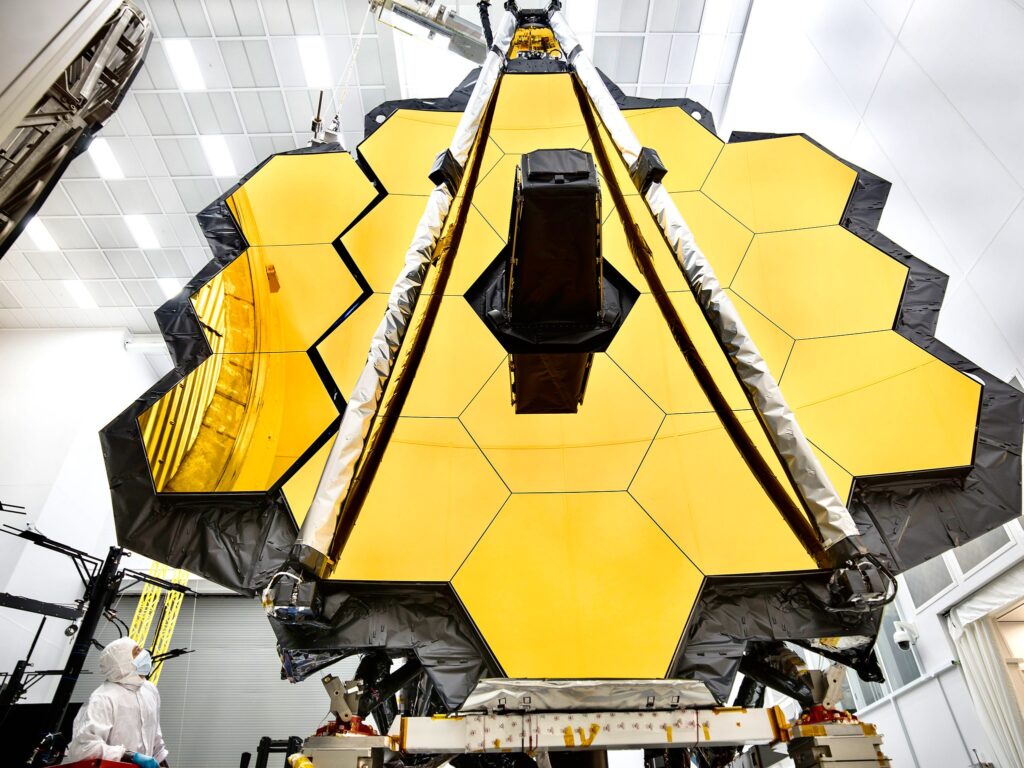
Harwell scientists also played a key role in building the James Webb Space Telescope. Using infrared light, the telescope can see farther back in time than any previous space telescope, allowing scientists to look through vast clouds of cosmic dust and witness stars forming.
Closer to Earth, satellites developed and supported by scientists at Harwell use multiple wavelengths of light including visible, infrared and ultraviolet to observe our planet from space. By studying changing light patterns, scientists can monitor climate change, track wildfires and flooding, measure pollution levels and better understand how the Earth’s environment is changing over time.
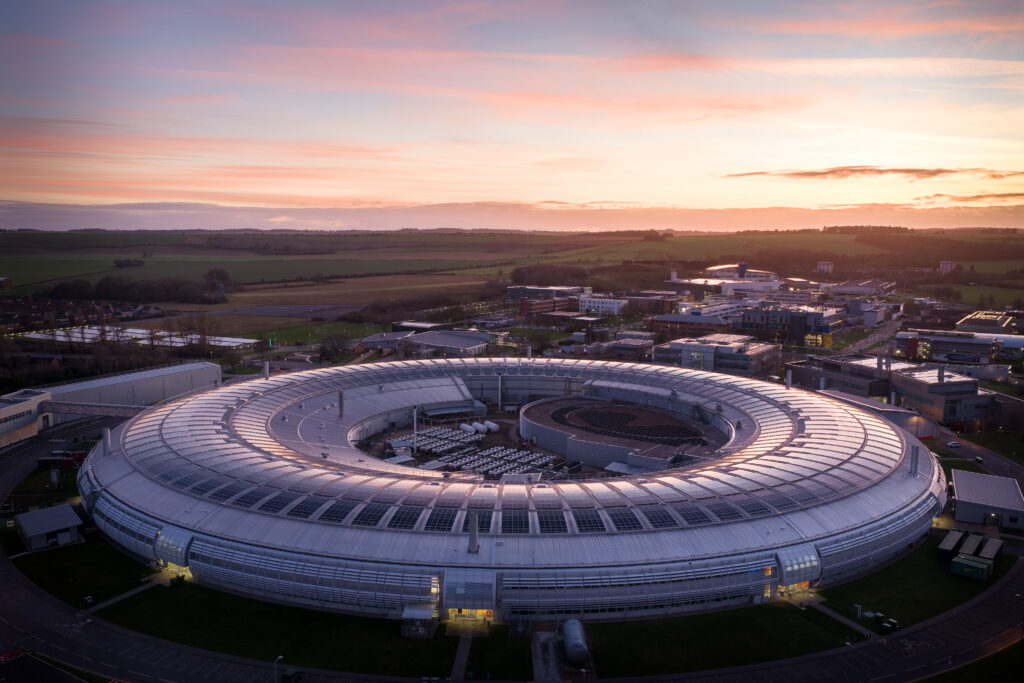
At Diamond Light Source, scientists generate intensely bright beams of light that act as super-powerful microscopes. These X-rays allow researchers to study structures thousands of times smaller than a human hair, helping advance research into viruses, medicines, batteries, fossils and new materials for clean energy technologies.
Meanwhile, the National Quantum Computing Centre is helping to develop the next generation of quantum computers. Some quantum technologies use light to allow multiple quantum operations to run at the same time. Because quantum systems can perform many calculations at once, they could one day solve problems far too complex for today’s computers, such as designing new medicines or improving transport networks.
At the Central Laser Facility, some of the world’s most powerful lasers are being used to tackle challenges on both a molecular and cosmic scale. Researchers use laser technology to support cancer research, investigate how matter behaves under extreme conditions and recreate temperatures similar to those found inside stars.
Scientists at Harwell-based Agilent Technologies are also using laser light in practical ways, developing technologies capable of detecting explosives and hazardous materials with exceptional precision and speed.
Luminarium: Myriad
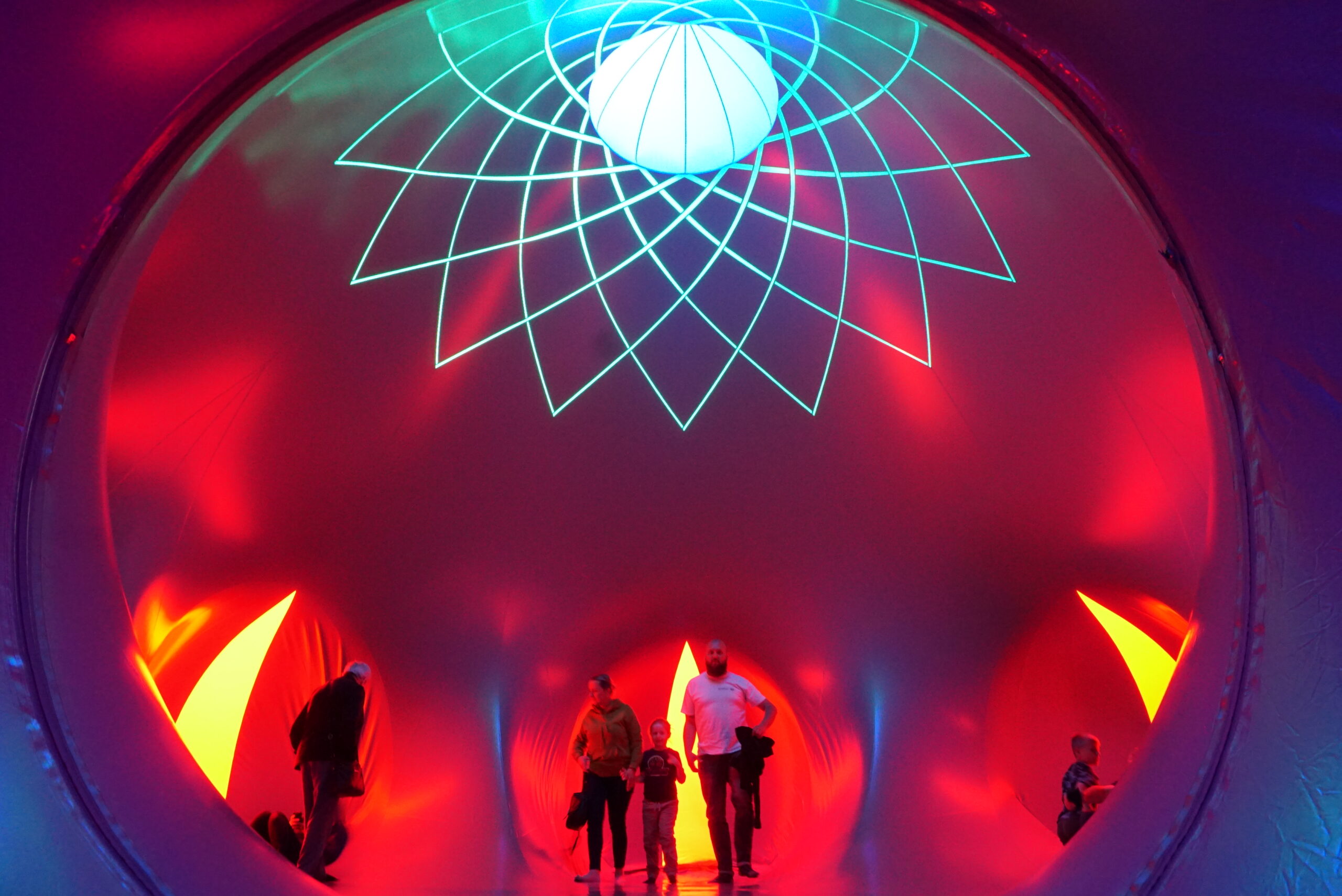
The Light Project’s newest event is a Luminarium, a spectacular walk-through installation that fills visitors with light, colour, and calm.
Related news
-
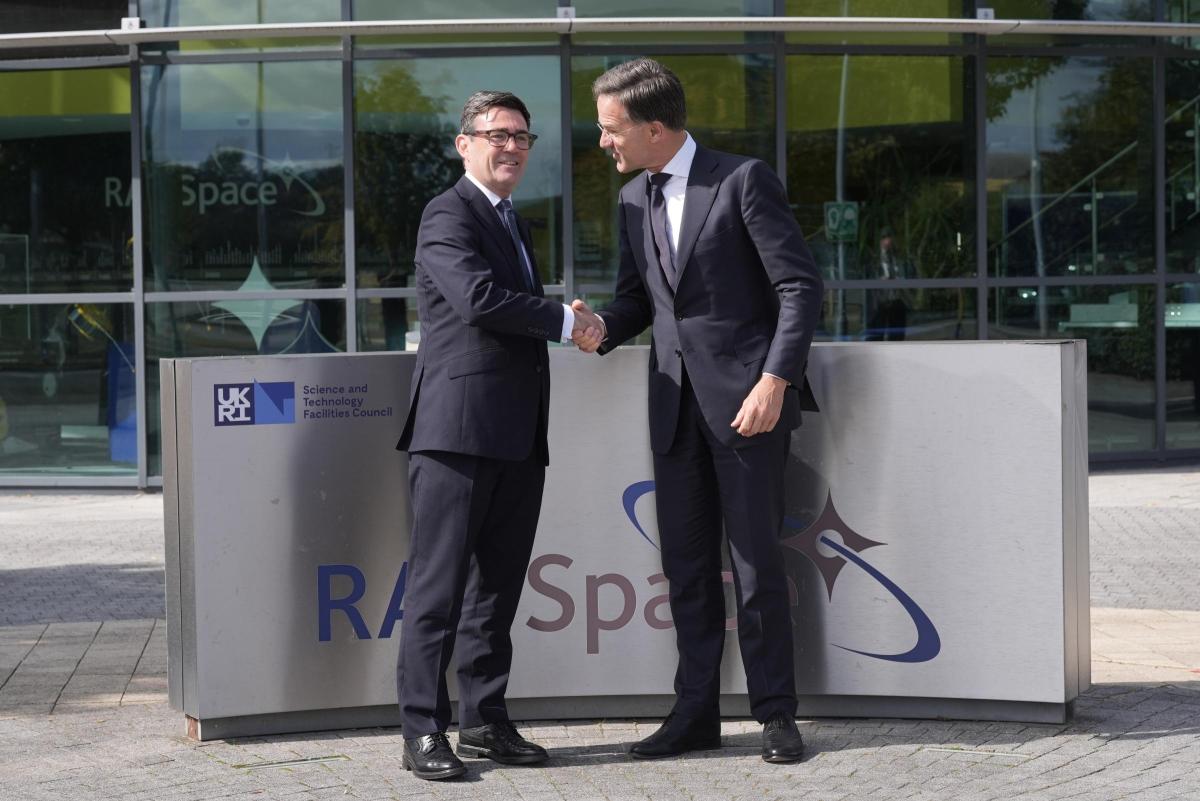
NATO Secretary General and Prime Minister visit Harwell to see UK space and defence capabilities
Harwell Science and Innovation Campus welcomed NATO Secretary General Mark Rutte and Prime Minister Andy Burnham on Wednesday 16 September, highlighting the strength of the UK’s space, defence and security capabilities. The visit brought together two important areas of the campus: Harwell’s established Space Cluster, home to more than 100 space organisations and 1,400 people,…
-
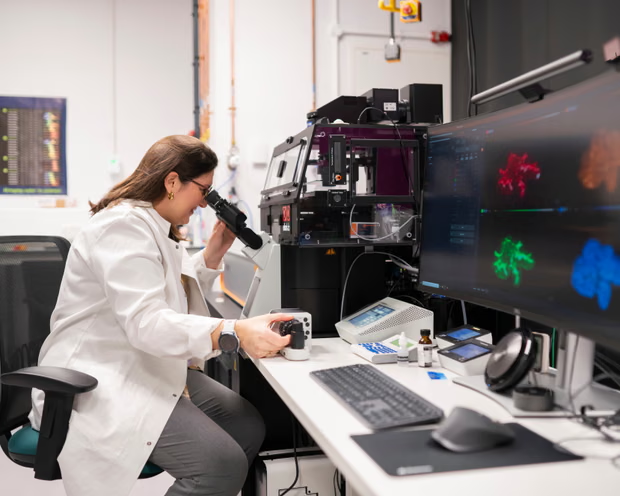
New funding to support the next generation of medical and materials breakthroughs
Thousands of patients and innovative businesses are set to receive a boost from over £162 million of funding for trailblazing science announced today (Monday 14 September) for two leading research institutes to create the medical technology and materials of the future. Based at Harwell Campus, The Rosalind Franklin Institute, a research centre dedicated to developing new…
-

UK gov selects Open Cosmos as approved provider for £8bn Sovereign Comms framework
Oxfordshire-based space company, Open Cosmos, has been selected by the British Government Commercial Agency (GCA) as an officially certified and vetted partner to provide satellite connectivity via its low Earth orbit (LEO) constellation, ConnectedCosmos, as the UK seeks to build its own sovereign connectivity architecture. Open Cosmos has been named as a supplier in Lot…
