Life sciences and health
| Science and innovation
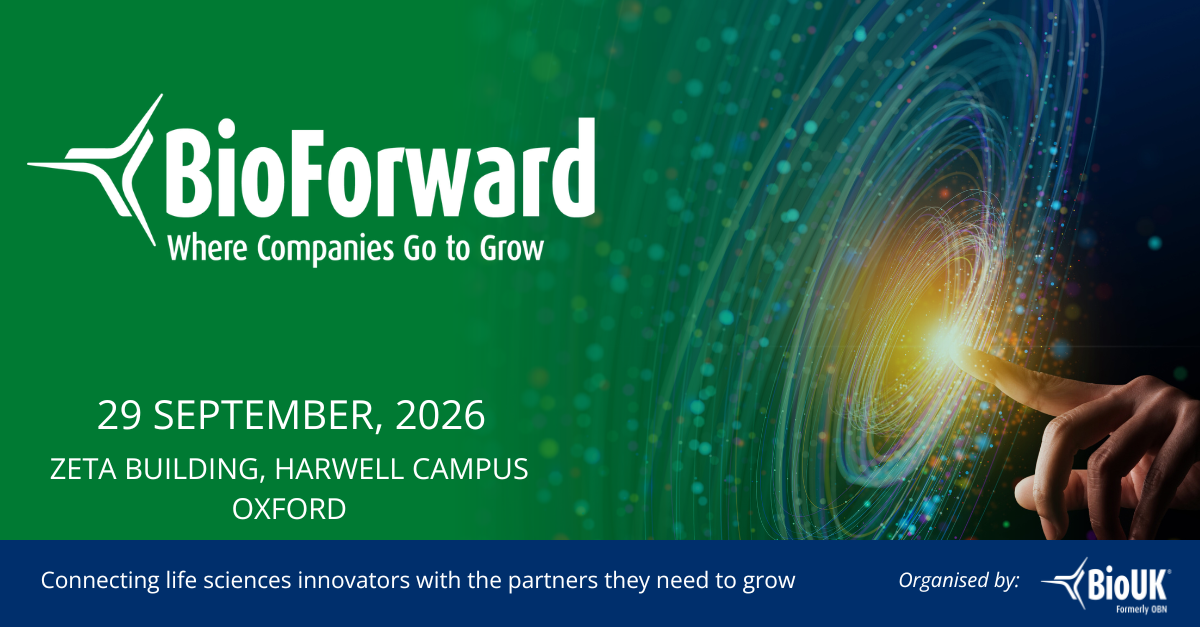
BIOForward 2026
29th Sep
8:30 – 17:30 | CO:LABS
Connecting life sciences innovators with the partners they need to grow…

13:30 – 16:30 | CO:LABS, Harwell Campus
Join us to celebrate the 10th anniversary of the Harwell Health Cluster and help shape the future of health innovation. This exclusive, invitation-only event will bring together senior leaders from across the health and life sciences sector to celebrate the remarkable achievements of the Health Cluster. Together, we will explore how the Cluster will shape […]
29th Sep
8:30 – 17:30 | CO:LABS
Connecting life sciences innovators with the partners they need to grow…

28th Sep
9:00 – 17:00 | Hamilton Room, Rutherford Appleton Laboratory Visitors Centre, Harwell Campus
A 2-day training course covering theory and computer-based practical works using…

30th Sep
8:00 – 12:00 | The Quad
Powered by White & Black and Anderson Law Rocket Fuel is a free pop-up…

30th Sep
16:00 – 20:00 | Oxford Edge, 37 St Giles’, Oxford OX1 3LD
A curated event on innovation, technology and entrepreneurship. Join Founders…

30th Sep
11:00 – 14:30 | DiSH, Curie Avenue
Ever wondered what goes on inside a beehive? Join us on Wednesday 30th September…

1st Oct
12:30 – 13:30 | Harwell Innovation Centre, Curie Avenue, Harwell Campus
How resilient is your business if a founder, key scientist or senior team member…

6th Oct
14:00 – 14:40 | Satellite Applications Catapult, Electron Building, Fermi Avenue, Harwell Campus,, OX11 0QR
New to campus? Curious about what happens across Harwell – from everyday…

6th Oct
8:40 – 9:45 | Launchpad, Quad Two
Building Stronger, More Diverse Supply Chains The Oxfordshire, Buckinghamshire…
5th Oct
10:00 – 17:00 | Advance Training Centre, MRC Harwell, Harwell Campus, OX11 0RD
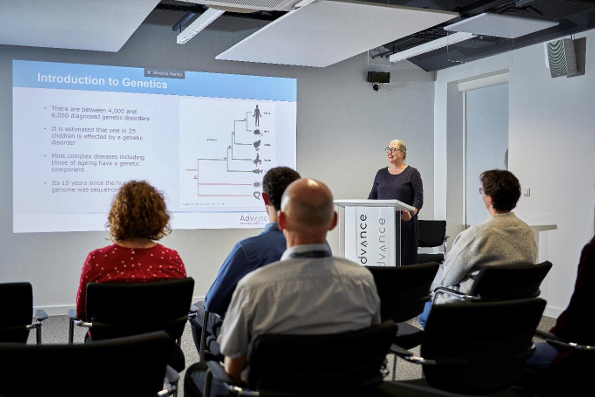
This course explores more complex genetic topics, including multiple allele…
Showing 9 of 35

The Member of the Future app is available exclusively for ARC members and provides everything you need to make the most of Harwell Campus. You can book classes or meeting rooms, enter competitions and find exclusive discounts. We’re improving the functionality all the time and will be adding add car park booking, visitor registration, shuttle timetables and access to space on our other campuses over the next few months. Scan the QR code or click below to download.


Harwell Connect
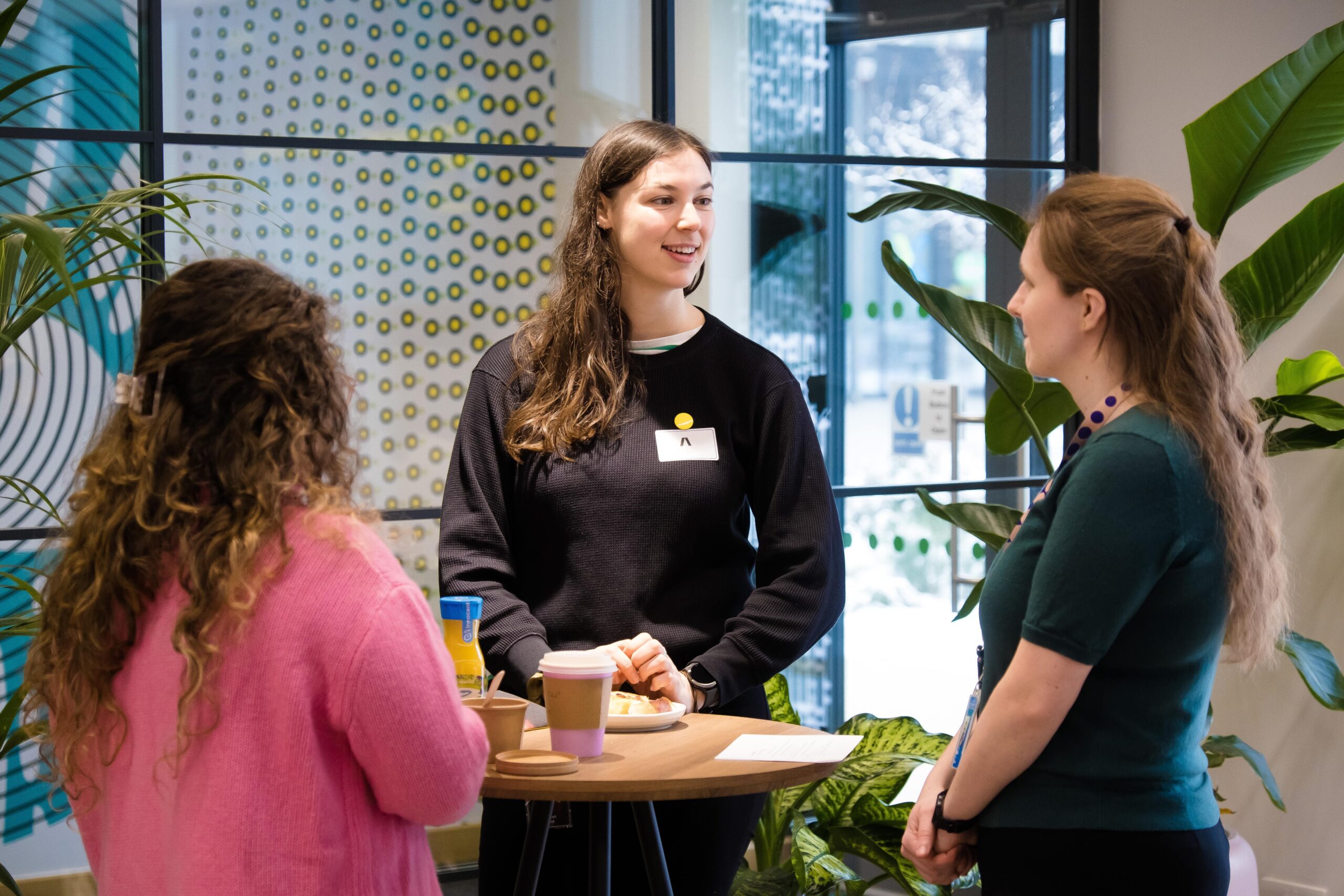
Bi-monthly events open to all campus organisations. Providing an opportunity to network and meet colleagues and see behind the scenes of some of the buildings and facilities.

Harwell NextGen
A programme of events and opportunities for early-career professionals and students. Our mission is to foster innovation and collaboration through nurturing and supporting you.
DiSH events
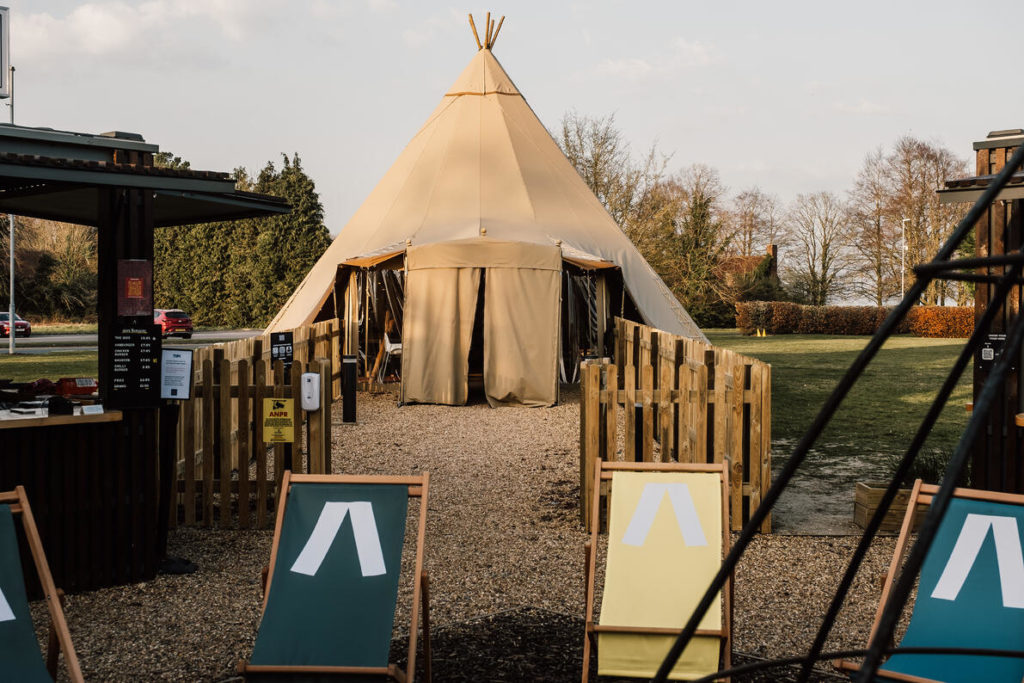
Did you know that events are also held at DiSH, the street food venue here on campus?
Check out their Instagram or Eventbrite page for updates.
Looking for event space on campus?
