
Harwell is powering the next era of Advanced Manufacturing in Oxfordshire
Jim Stretton, Managing Director of Harwell Campus, shares his perspective on advanced manufacturing as a key driver for Oxfordshire’s economy and the challenges that must be addressed to unlock its potential.
Oxfordshire already sits at the point where research meets making. Organisations here translate scientific breakthroughs into products, established processes and supply chains support the UK economy, with impact felt locally and nationally.
I recently attended the Oxfordshire Innovation Showcase on Advanced Manufacturing, hosted by Advanced Oxford and Oxfordshire County Council at Portcullis House and it was a privilege to deliver the closing remarks on behalf of Harwell Campus. One message from the companies and from Olly Glover MP was unmistakable: R&D is essential, but manufacturing is what turns ideas into economic value. It moves prototypes into production, and research into exports.
Oxfordshire based companies such as Polar Technology, BMW and Tokamak Energy, and those based at Harwell Campus show this in practice. Yet all face similar challenges, power, infrastructure and access to talent. These are shared hurdles that demand a collective response.
Making has always been part of Harwell’s DNA
Nearly 80 years ago, engineers arrived in South Oxfordshire to build Britain’s first atomic reactor. They completed it within 18 months, the first team in Western Europe to do so. That focus on delivery has shaped the campus ever since.
Today, that spirit continues. Moderna opened its new Harwell facility this year, capable of manufacturing up to 250 million vaccines annually, a powerful reminder of the value of resilient, onshore capability. Across the campus, companies such as Astroscale, Oxford Nanopore, Oxford Space Systems, Quantum Detectors, Magdrive and QuEra are not only developing breakthrough technologies but manufacturing them and supplying global markets.
Building the right infrastructure: Creating space that enables advanced manufacturing
For Oxfordshire to grow its manufacturing base, it needs the right kind of space. At Harwell, our latest developments Zeta and the Tech Foundry, are flexible, tech-box buildings combining R&D, lab and manufacturing capability in one place. Companies like QuEra use these environments to develop quantum computing systems, benefitting from temperature stability, cleanliness, robust utilities and room to expand, while Magdrive is developing the next generation of spacecraft propulsion to revolutionise space travel.
And our development pipeline doesn’t stop there. A couple of weeks ago, we announced the next phase of Harwell’s growth: four million square feet of additional advanced manufacturing, R&D and laboratory space across our 700-acre campus.
Infrastructure is now the limiting factor
Despite the strength of Oxfordshire’s companies, growth is increasingly constrained by utilities. Early findings from Advanced Oxford show:
75% of companies have faced electricity challenges in the past two years
40%+ report issues with water and wastewater
75% say infrastructure now influences investment decisions
Power is the most pressing constraint. Organisations running specialist equipment require both reliability and capacity. Grid delays and inconsistent supply are forcing companies to consider costly backup or alternative locations to the UK. At Harwell, we are addressing this head-on by building a smart grid to generate, store and distribute power on site. This will deliver savings and increase resilience for organisations based here, and we are sharing our learnings so others can adopt similar approaches.
A practical call to action
Decisions taken in the next few years will determine what Oxfordshire is capable of producing for decades. Harwell’s early engineers knew that progress depends not just on ideas, but on delivery.
We have the companies, the track record and the space to lead the next chapter of advanced manufacturing and secure our role in the UK’s industrial future.
Related news
-
Oxford University Innovation Named as a Founding Member of CO:LABS at Harwell
Oxford University Innovation (OUI) has been announced as a founding partner of CO:LABS, Harwell Science and Innovation Campus’s new landmark development designed to help science and technology businesses connect, collaborate and grow. This strategic partnership marks another milestone in bolstering the resources and expertise available to emerging companies at CO:LABS, as OUI joins The Rosalind…
-
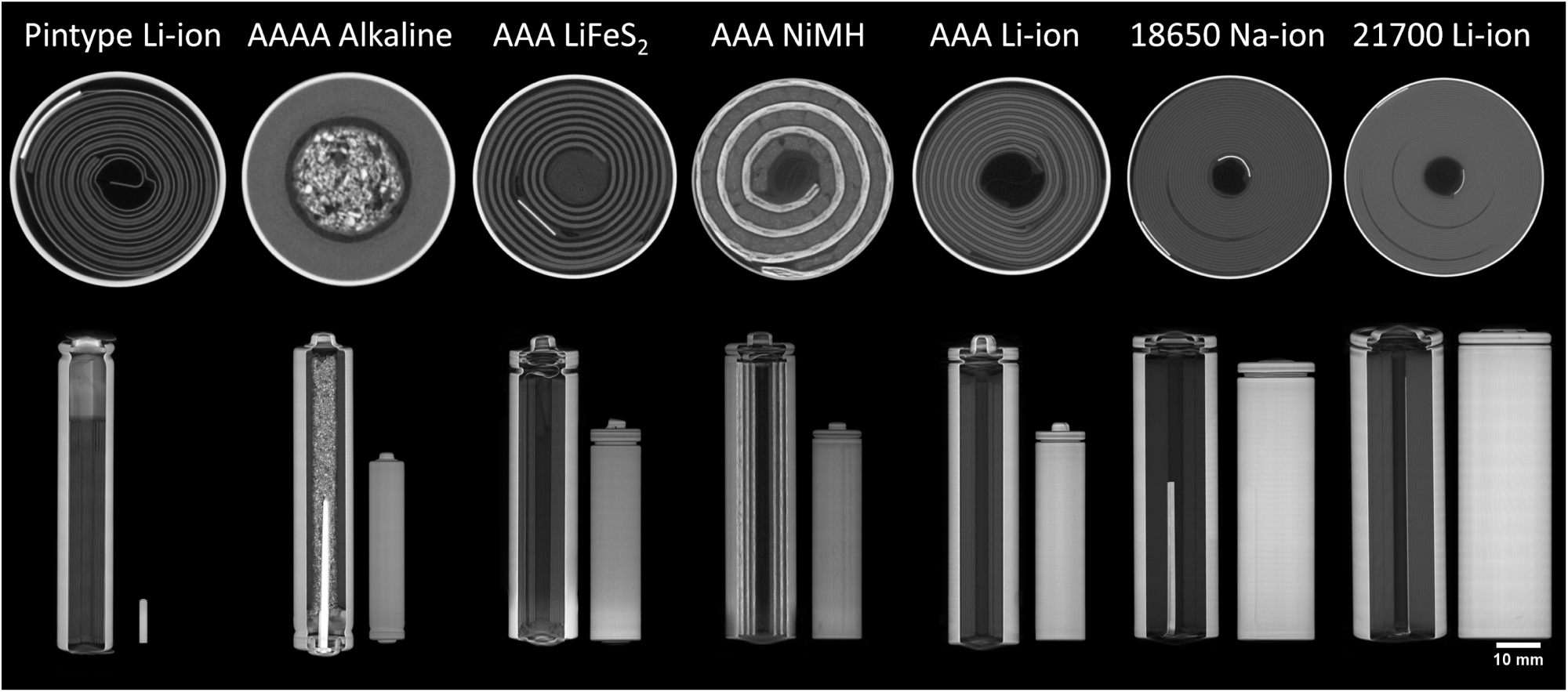
World’s first open-access battery imaging library launches
A collaboration between scientists from Diamond Light Source and the ISIS Neutron and Muon Source has contributed to the development of the world’s first open-access battery imaging library. The library was created through an international collaboration led by Dr Antony Vamvakeros, Royal Society Industry Fellow at Imperial College London and Research and Development Lead at…
-
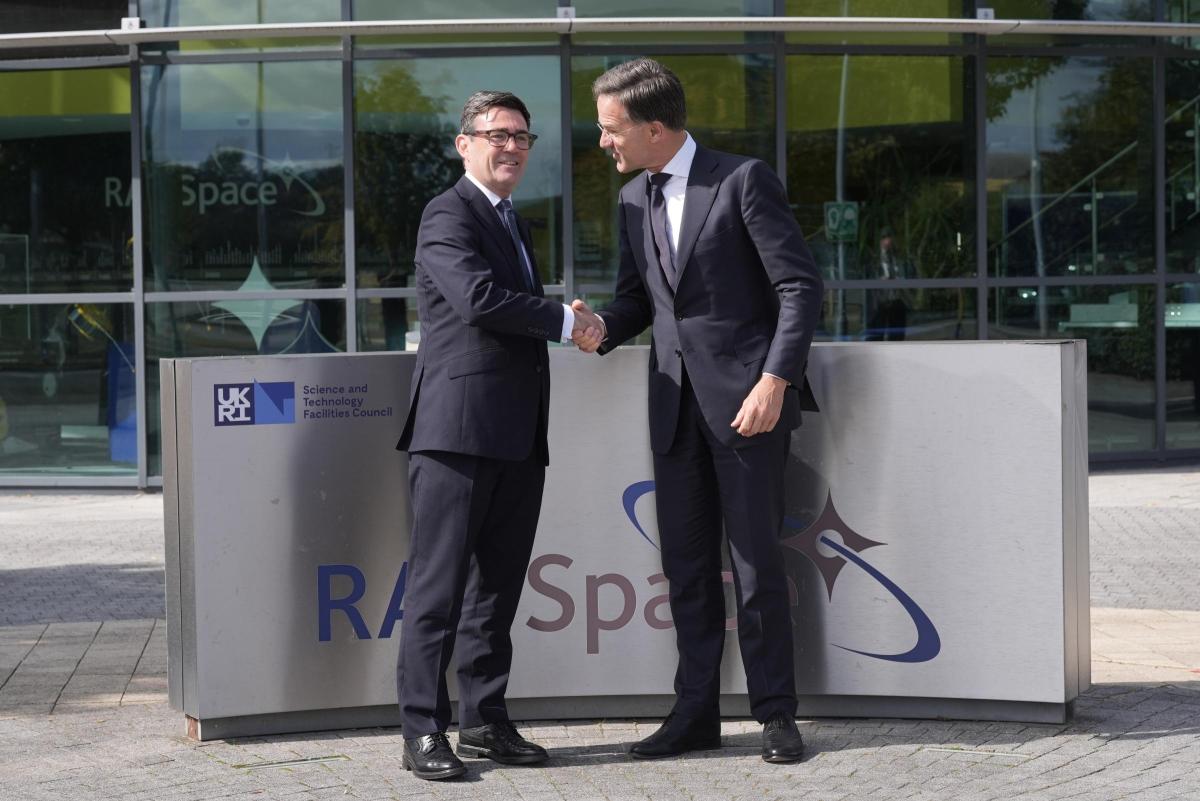
NATO Secretary General and Prime Minister visit Harwell to see UK space and defence capabilities
Harwell Science and Innovation Campus welcomed NATO Secretary General Mark Rutte and Prime Minister Andy Burnham on Wednesday 16 September, highlighting the strength of the UK’s space, defence and security capabilities. The visit brought together two important areas of the campus: Harwell’s established Space Cluster, home to more than 100 space organisations and 1,400 people,…
