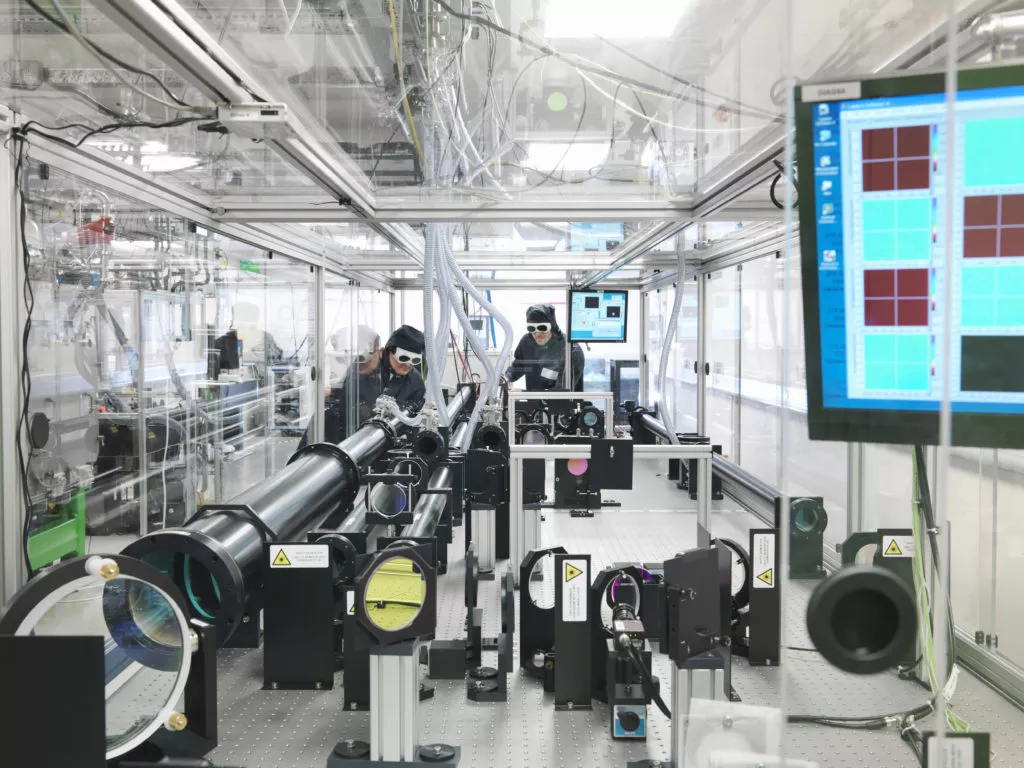
Westminster collaborates with Harwell Campus to share pioneering research from The Guy Foundation Quantum Biology Lab
The University of Westminster hosted Professor Geoffrey Guy and George Freeman MP to share research updates from The Guy Foundation Quantum Biology Lab. The lab is a joint initiative between the University of Westminster and the Harwell Science and Innovation Campus dedicated to advancing understanding of biological processes and innovating healthcare, which can also contribute to humanity’s understanding of space health.
Established in 2018, the lab arose from and is supported by The Guy Foundation, a UK-based charitable organisation dedicated to advancing research on the role of quantum mechanics and thermodynamics in living systems, with the goal of informing new approaches to healthcare.
The lab is part of the Research Centre for Optimal Health at the University of Westminster’s School of Life Sciences and has partnered with the Harwell Science and Innovation Campus to advance understanding of the fundamental quantum and biophysical processes that underpin life.
Head of Group and Westminster Senior Research Fellow Dr Rhys Mould and Research Associates Grace Pennelli and Sanika Ghayal explored how cells communicate using light, an emerging frontier of science that sits at the intersection of physics, biology and medicine.
Thanks to ultra-sensitive photon-detection technologies developed through the lab, researchers can now detect the minute light emissions, called biophotons, produced by living cells. These subtle signals may reveal how cells exchange information and maintain internal order. The presentations also revealed new insights into how different wavelengths of light affect cellular function and human health, with potential applications in regenerative and preventive medicine.
About the lab’s research, Westminster’s Professor Jimmy Bell said: “The Guy Foundation Quantum Biology Lab unites unique expertise across Westminster and Harwell. By studying how cells use light to communicate and adapt to space travel conditions, we are beginning to reveal the quantum foundations of life and their potential to transform how we understand health and ageing.”
Professor Peter Bonfield, President and Vice-Chancellor of the University of Westminster, added: “It was a pleasure to attend this event and hear all about the incredible new research from Westminster colleagues at The Guy Foundation Quantum Biology Lab. Westminster’s partnership with Harwell to develop innovative medical technology underscores our university’s mission to contribute to a more sustainable, equitable and healthier society and work with others to make a difference to the world.”
Related news
-
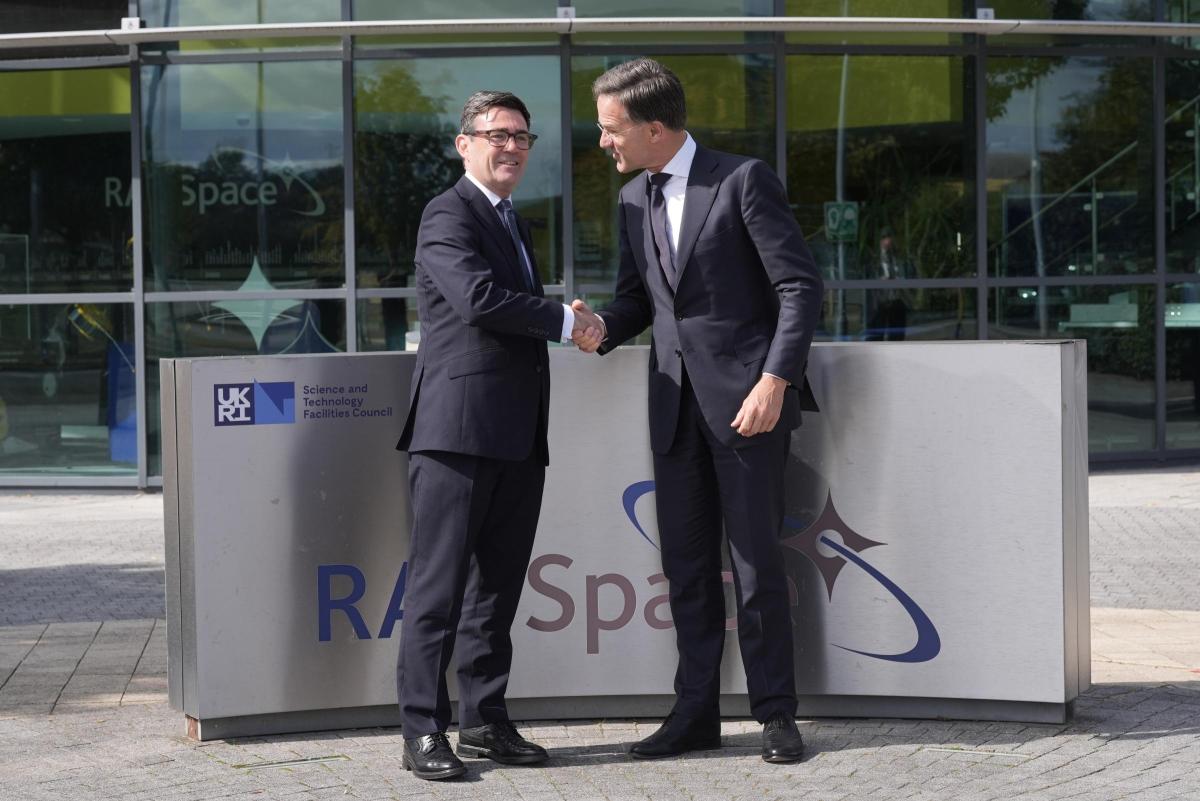
NATO Secretary General and Prime Minister visit Harwell to see UK space and defence capabilities
Harwell Science and Innovation Campus welcomed NATO Secretary General Mark Rutte and Prime Minister Andy Burnham on Wednesday 16 September, highlighting the strength of the UK’s space, defence and security capabilities. The visit brought together two important areas of the campus: Harwell’s established Space Cluster, home to more than 100 space organisations and 1,400 people,…
-

UK gov selects Open Cosmos as approved provider for £8bn Sovereign Comms framework
Oxfordshire-based space company, Open Cosmos, has been selected by the British Government Commercial Agency (GCA) as an officially certified and vetted partner to provide satellite connectivity via its low Earth orbit (LEO) constellation, ConnectedCosmos, as the UK seeks to build its own sovereign connectivity architecture. Open Cosmos has been named as a supplier in Lot…
-
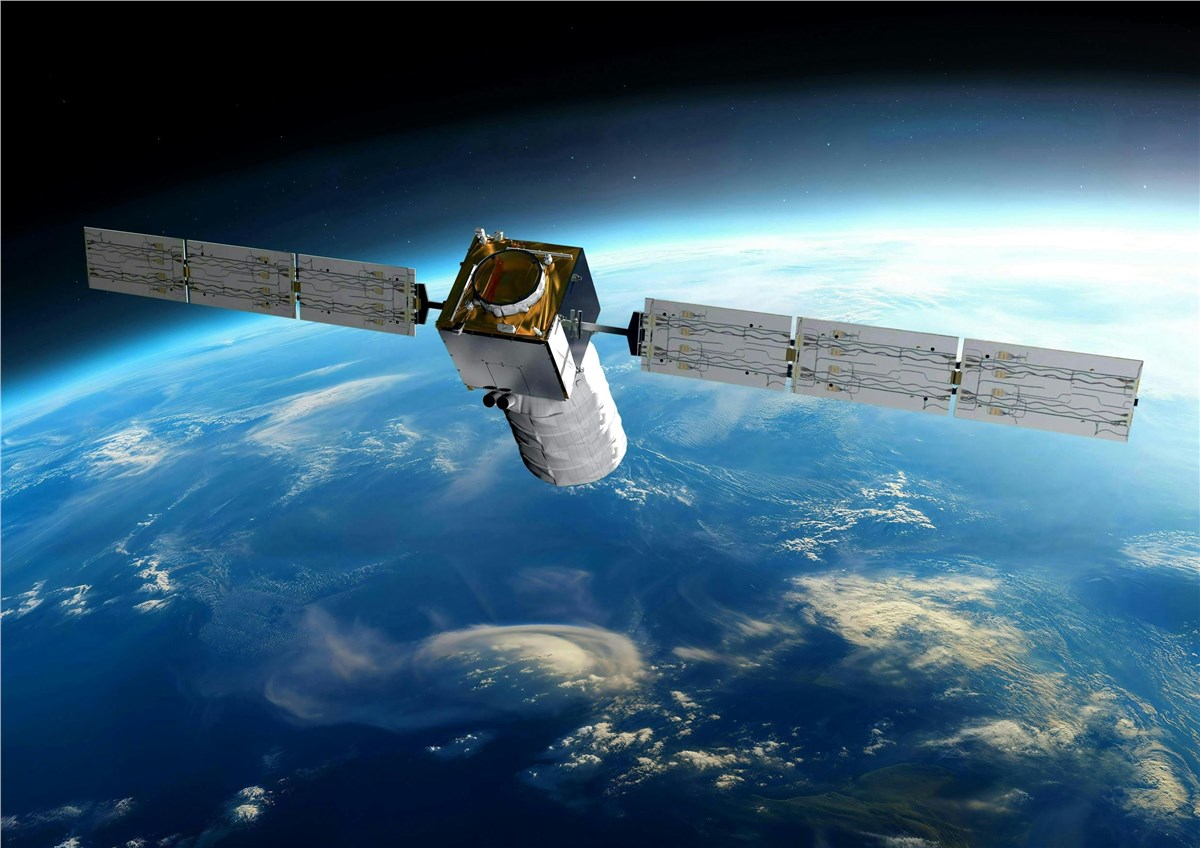
Airbus Awarded Aeolus-2 Wind Sensing Satellite Contract by European Space Agency
Airbus Defence and Space has signed the initial contract for the design and build of the Aeolus-2 wind sensing satellite from the European Space Agency (ESA) at a ceremony at ESA’s UK headquarters ECSAT at Harwell. Aeolus-2 will follow the first Aeolus wind sensing satellite, built by Airbus and launched in 2018. The first satellite…
