Oxford Space Systems and SSTL announce successful launch of CarbSAR IOD Satellite
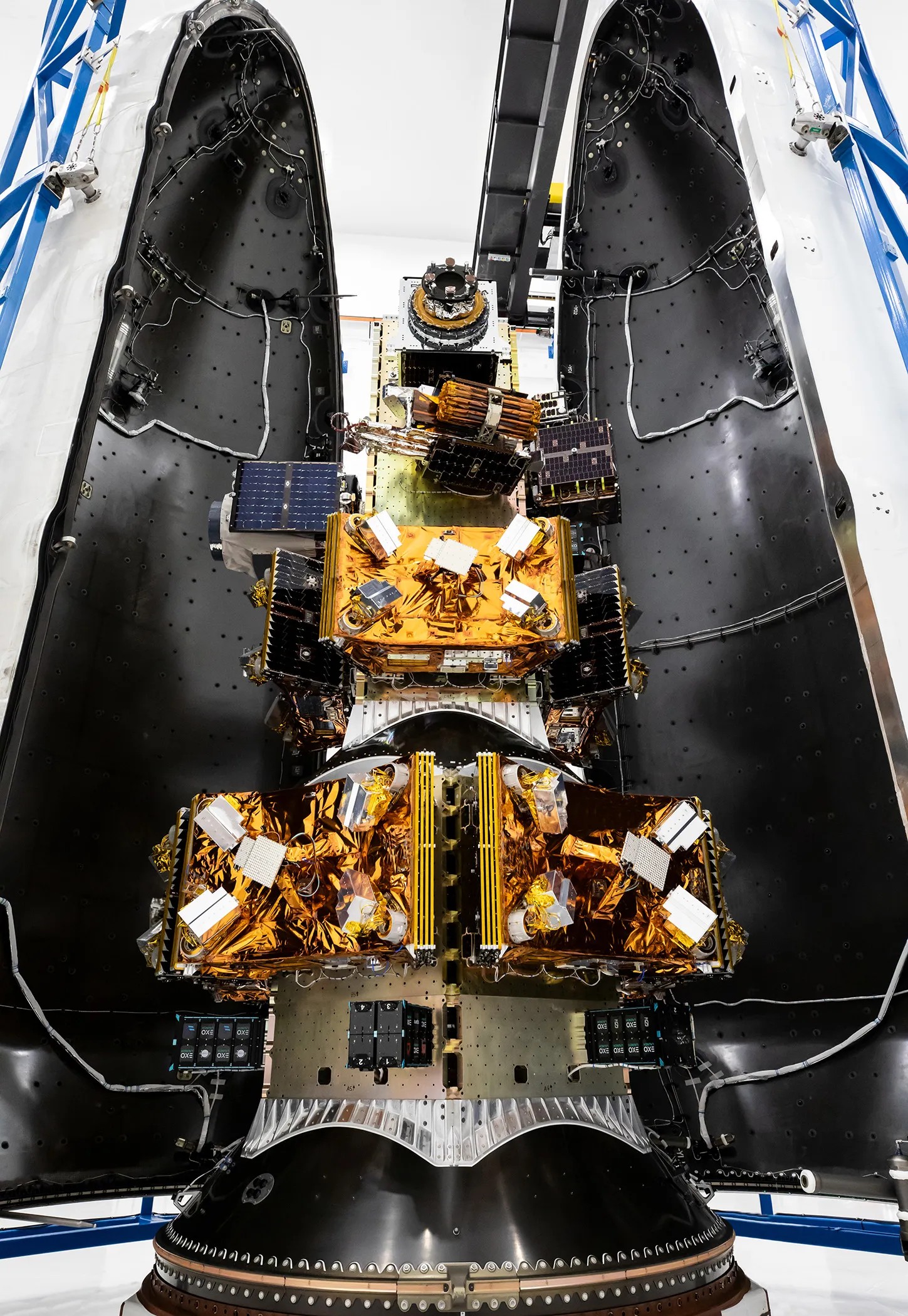
Harwell Campus based Oxford Space Systems and Surrey Satellite Technology Ltd (SSTL) have announced the successful launch of CarbSAR IOD*, SSTL’s latest Synthetic Aperture Radar (SAR) technology demonstration satellite incorporating Oxford Space Systems’ innovative Wrapped Rib Antenna. The spacecraft was launched aboard a Falcon 9 rocket operated by SpaceX from Vandenberg Space Force Base, California.
Following launch, first contact with the satellite has been successfully established. The mission will now enter its on-orbit commissioning phase, during which the platform, SAR electronics and deployable Wrapped Rib Antenna will be checked out ahead of in-orbit performance demonstrations.
CarbSAR IOD is based on SSTL’s proven Carbonite small-satellite platform and carries the novel Wrapped Rib SAR antenna developed by Oxford Space Systems (OSS). The In-Orbit Demonstration (IOD) mission will validate the delivery of high-resolution X-band SAR imagery from a compact, low-mass spacecraft, enabling day-and-night, all-weather Earth observation to support safe, responsible and resilient national capabilities.
The mission has been jointly funded by Oxford Space Systems, SSTL, Airbus Defence and Space, UKDI-DASA, Dstl and the National Security Strategic Investment Fund (NSSIF), within a long-term programme that also includes support from the UK Space Agency and the Defence and Security Accelerator (DASA).
CarbSAR IOD represents an important step forward for UK-developed radar satellite technology, with clear relevance to future defence, security and Earth Observation applications for UK and international partners.
This is the first mission to incorporate Oxford Space Systems’ deployable Wrapped Rib Antenna, marking the culmination of several years of development, engineering innovation and investment in advanced UK manufacturing. Built at Oxford Space Systems’ composite and metal-mesh production facilities in Oxfordshire, the Wrapped Rib Antenna introduces a novel deployable-antenna architecture designed to deliver high-performance SAR capability from a highly compact, stowage-efficient design. The Antenna has undergone extensive ground-based testing, including radio-frequency validation, and will now demonstrate its performance in orbit.
Andrew Cawthorne, Managing Director of SSTL, said: “The successful launch of CarbSAR IOD and receipt of first signal mark a major milestone for SSTL and our partners. This mission demonstrates the powerful combination of our Carbonite platform and embedded SAR electronics with Oxford Space Systems’ innovative Wrapped Rib Antenna. We now look forward to commencing the commissioning phase and proving the system’s performance in orbit.”
Sean Sutcliffe, Chief Executive of Oxford Space Systems, said: “The successful launch of our Wrapped Rib Antenna aboard the CarbSAR IOD is an important moment for Oxford Space Systems. It demonstrates the maturity of our innovative deployable antenna product and strength of Oxford Space Systems in designing, manufacturing, and industrialising world-leading space technology. This mission is a powerful example of what can be achieved through sustained partnership across government and industry and positions Oxford Space Systems well to accelerate antenna production for future missions, expand its export portfolio, and continue strengthening the UK’s role in resilient, next-generation Earth observation capabilities.”
An NSSIF spokesperson commented: “This mission reflects the technical excellence and ambition of the teams at SSTL and Oxford Space Systems. Their ability to deliver cutting-edge Earth observation technology from a compact, efficient platform is a testament to the UK’s growing leadership in space engineering, helping to build strategic, secure and resilient sovereign capabilities.
*CarbSAR IOD is the latest in a long line of 100kg-class small satellite missions developed by SSTL in Guildford since the early 1980s, designed from the outset to support multiple sensor types including optical, infrared and SAR payloads.
Related news
-

Oxford University Innovation Named as a Founding Member of CO:LABS at Harwell
Oxford University Innovation (OUI) has been announced as a founding partner of CO:LABS, Harwell Science and Innovation Campus’s new landmark development designed to help science and technology businesses connect, collaborate and grow. This strategic partnership marks another milestone in bolstering the resources and expertise available to emerging companies at CO:LABS, as OUI joins The Rosalind…
-
World’s first open-access battery imaging library launches
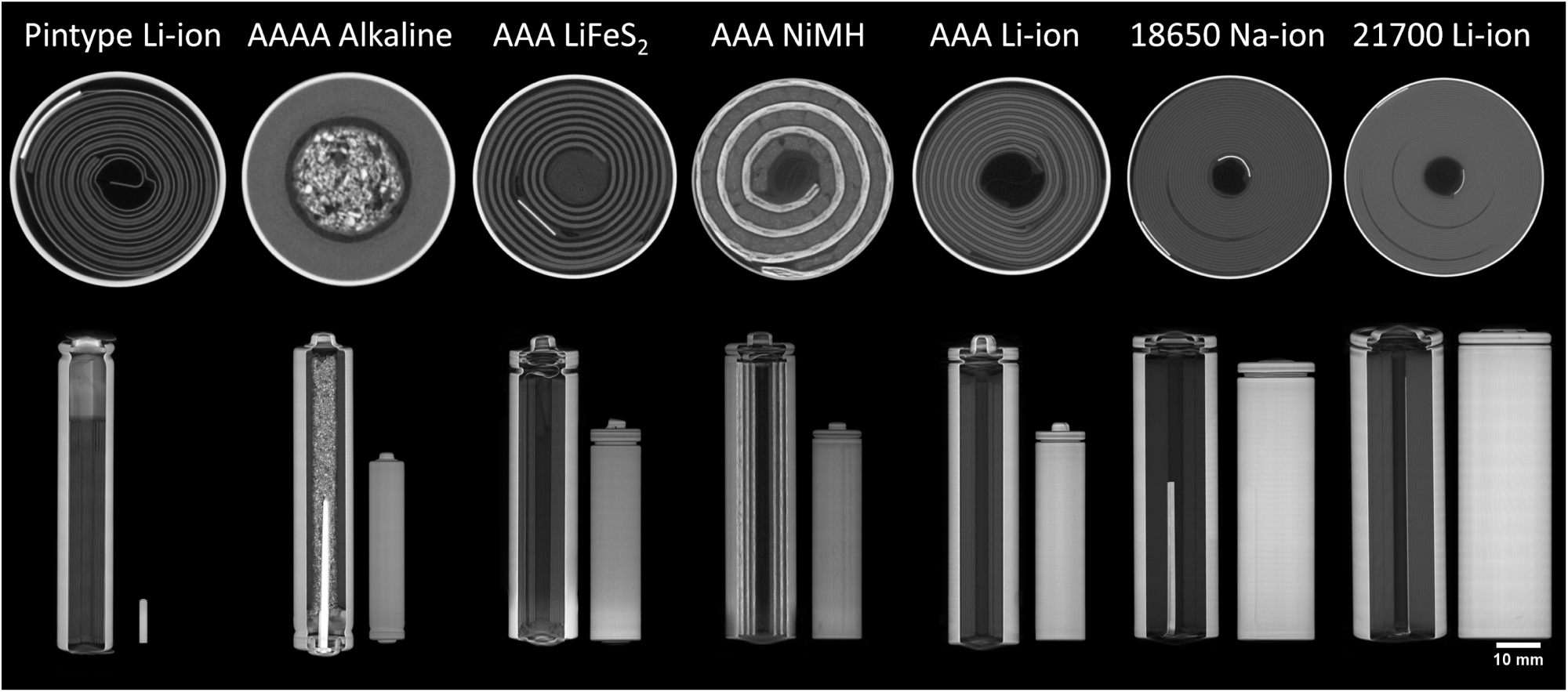
A collaboration between scientists from Diamond Light Source and the ISIS Neutron and Muon Source has contributed to the development of the world’s first open-access battery imaging library. The library was created through an international collaboration led by Dr Antony Vamvakeros, Royal Society Industry Fellow at Imperial College London and Research and Development Lead at…
-
NATO Secretary General and Prime Minister visit Harwell to see UK space and defence capabilities
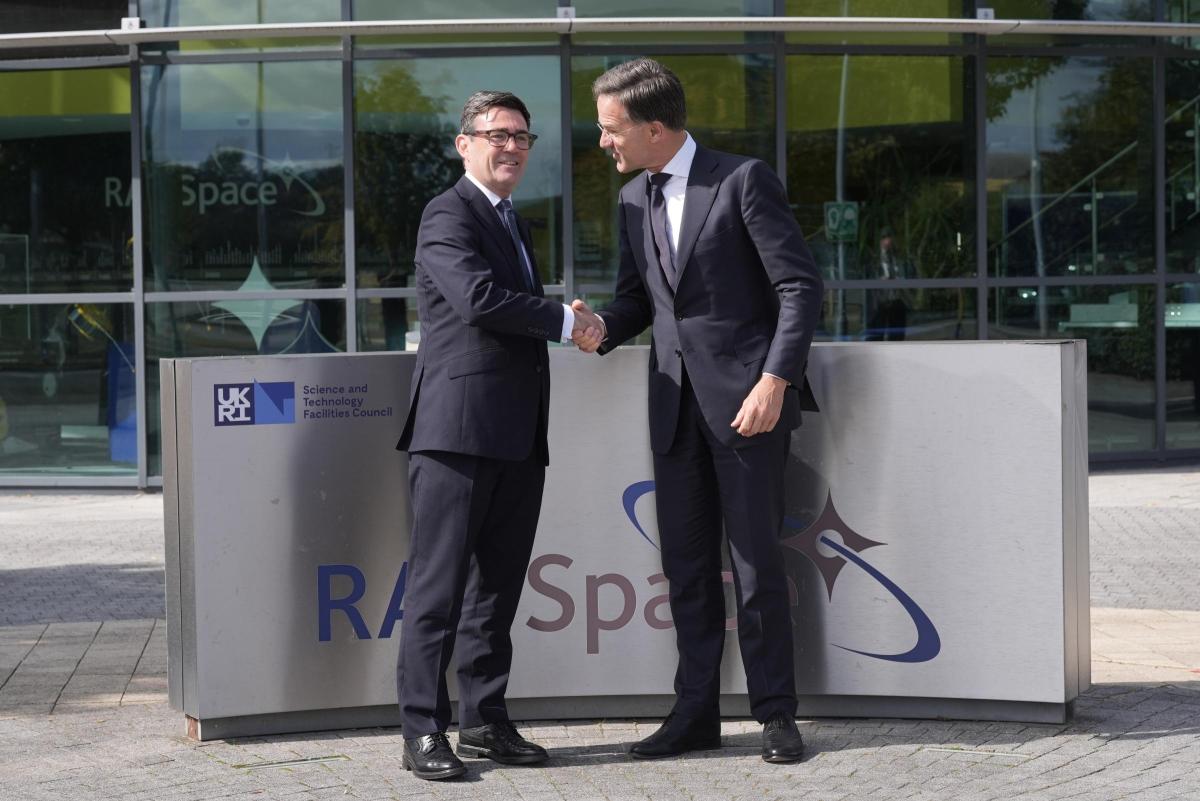
Harwell Science and Innovation Campus welcomed NATO Secretary General Mark Rutte and Prime Minister Andy Burnham on Wednesday 16 September, highlighting the strength of the UK’s space, defence and security capabilities. The visit brought together two important areas of the campus: Harwell’s established Space Cluster, home to more than 100 space organisations and 1,400 people,…
