
Oxford Space Systems successfully deploys VHF Isoflux Helical antenna for Startical’s ECHOES Project
Oxford Space Systems is pleased to announce the successful in-space deployment of its large Very High Frequency (VHF) isoflux helical antenna on the IOD-2 mission for Startical’s ECHOES project, marking a significant milestone in the advancement of space-based air traffic management (ATM). The antenna, nearly 4 metres in length and designed to operate within the 117MHz to 138MHz range, is a crucial component of the ECHOES initiative, contributing to enhanced global communication and surveillance capabilities for ATM purposes.
The ECHOES project, spearheaded by Startical – a joint venture between ENAIRE (the Spanish air navigation service provider) and Indra (one of the world’s leading companies in defence, air traffic, and space), aims to prove the viability of space-based communications and surveillance capabilities for ATM services in a real scenario. This concept will revolutionise air navigation through a constellation of satellites that provide global VHF communication. The antenna developed by Oxford Space Systems as an ECHOES project subcontractor and integrated onto the satellite in collaboration with Indra, is a critical component in ensuring the project’s success, by enabling radio connectivity in remote areas where reliable communication is essential to future are traffic management.
Sean Sutcliffe, CEO of Oxford Space Systems, commented:
“We are delighted that Startical has announced the successful deployment in-space of Oxford Space Systems’ antenna for their ECHOES project. This project demonstrates the ability of Oxford Space Systems to deliver high performance, technically demanding deployable antennas within a tight timescale whilst conducting a rigorous design, development and verification programme.
In this case the programme took just twelve months from first order to delivery, including designing and testing an innovative antenna to meet Startical’s requirements. This was enabled by our team’s ability to draw on extensive product knowledge and heritage, rapid execution with a strong integrated project team covering the range of skills needed, and the highly collaborative approach with the project partners – Startical, Indra and NanoAvionics.”
The ECHOES project, performed within the SESAR Joint Undertaking (SJU) framework and compromising of Startical, ENAIRE and Indra, as well as Nav Portugal, DLR, Crida and Mitiga, has received substantial funding from the European Union, supported by the Climate, Infrastructure and Environment Executive Agency (CINEA) under the Connecting Europe Facility (CET Transport). This financial backing, along with the technical expertise of Oxford Space Systems, Startical, ENAIRE and Indra, ensures that the project will set new standards in air traffic management, particularly in regions where traditional systems are less effective.
For more information on Oxford Space Systems and Startical, please click here.
Image credit: Startical
Related news
-
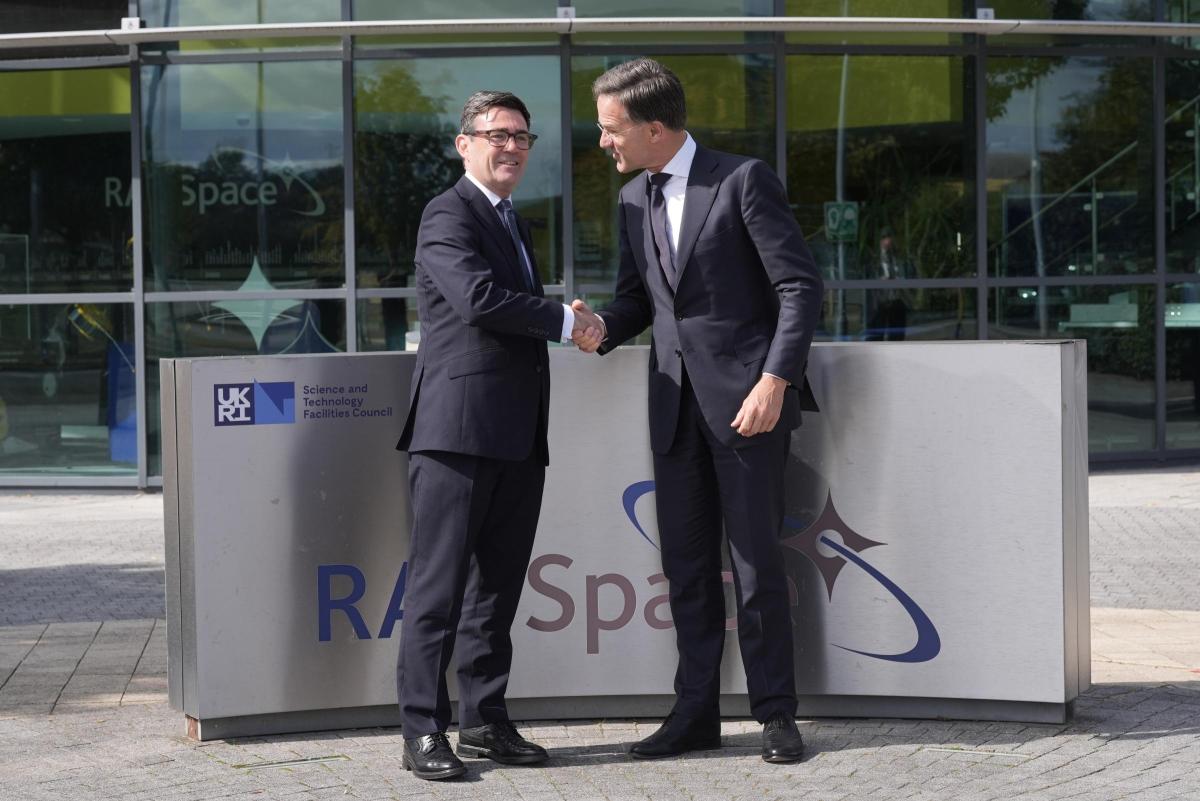
NATO Secretary General and Prime Minister visit Harwell to see UK space and defence capabilities
Harwell Science and Innovation Campus welcomed NATO Secretary General Mark Rutte and Prime Minister Andy Burnham on Wednesday 16 September, highlighting the strength of the UK’s space, defence and security capabilities. The visit brought together two important areas of the campus: Harwell’s established Space Cluster, home to more than 100 space organisations and 1,400 people,…
-

UK gov selects Open Cosmos as approved provider for £8bn Sovereign Comms framework
Oxfordshire-based space company, Open Cosmos, has been selected by the British Government Commercial Agency (GCA) as an officially certified and vetted partner to provide satellite connectivity via its low Earth orbit (LEO) constellation, ConnectedCosmos, as the UK seeks to build its own sovereign connectivity architecture. Open Cosmos has been named as a supplier in Lot…
-
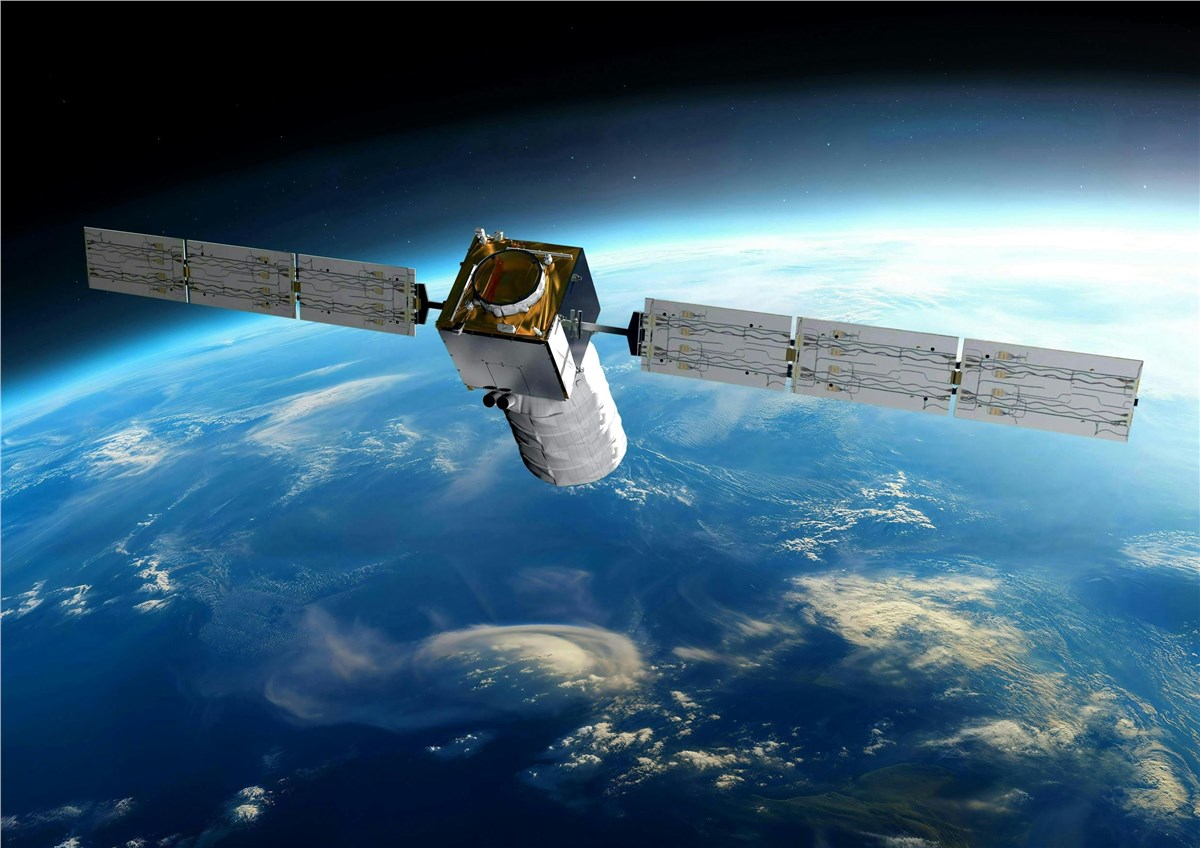
Airbus Awarded Aeolus-2 Wind Sensing Satellite Contract by European Space Agency
Airbus Defence and Space has signed the initial contract for the design and build of the Aeolus-2 wind sensing satellite from the European Space Agency (ESA) at a ceremony at ESA’s UK headquarters ECSAT at Harwell. Aeolus-2 will follow the first Aeolus wind sensing satellite, built by Airbus and launched in 2018. The first satellite…
