
Lumen Secures Second Award for Pioneering Neuroinclusive Laboratory Design
Lumen, a newly refurbished 17,000 sq ft CL2 fitted laboratory and office building that has set a new industry standard in neuroinclusive lab design, has secured the Innovative Workplace Design Award at the Construction News & Property Week Life Sciences, Tech & Research Clusters Awards.
Submitted in conjunction with BondBryan Fairhursts, Lumen was recognised by judges as a genuinely pioneering entry. As the UK’s first fully fitted neuroinclusive laboratory workspace, it addresses a long-overlooked gap in the sector: nearly half of lab workers identify as neurodivergent, yet laboratory environments have historically failed to reflect their needs.
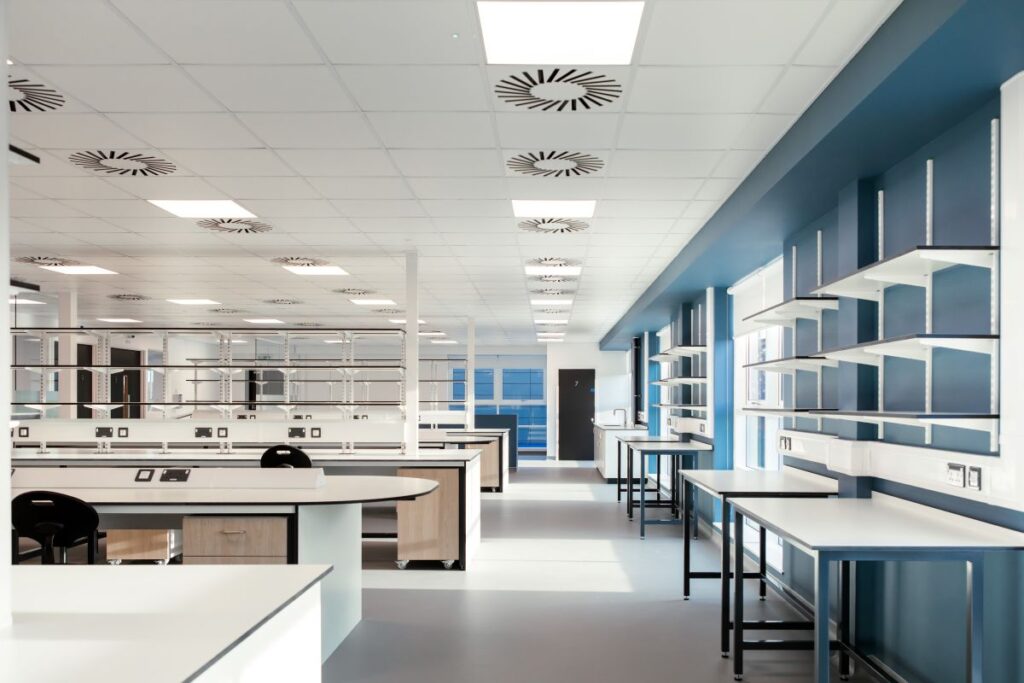
The panel highlighted the rigour of the design approach and its clear link to occupant outcomes. From DALI lighting and acoustic breakout alcoves to neurozones, biophilic elements, braille wayfinding and tailored lab interventions, every feature is underpinned by a clear user-focused rationale.
Sustainability was also central, with a strong emphasis on the retention and reuse of building materials and services. Together, these principles position Lumen as a new benchmark for inclusive, high-performance life sciences workspace.
Lumen was delivered following industry-leading research into neuroinclusive design by ARC and HOK. The award marks the second industry recognition for Lumen, following its win for Innovative Lab Space Solutions.
Jim Stretton managing director of Harwell Campus said: “Lumen represents a step change in how we think about science spaces. By setting a new industry standard in inclusive laboratory design, we’re helping our scientists to deliver life-changing research in environments that truly support them.”
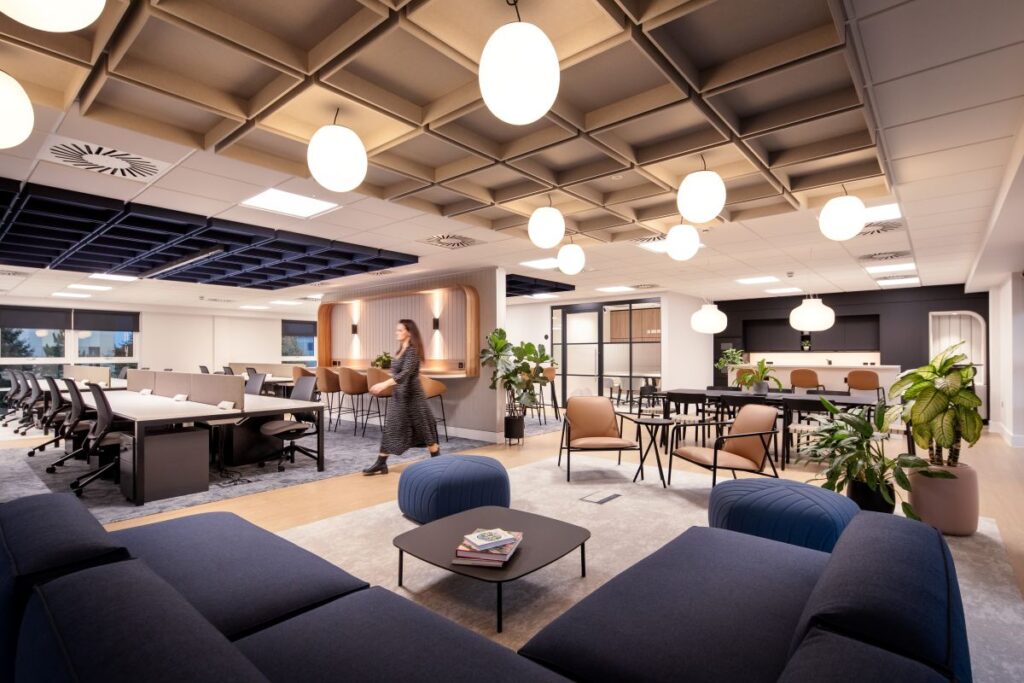
Amanda Lawless, senior interior designer at BondBryan Fairhursts, said: “Designing interiors that balance functionality with inclusivity has been central to this project. By rethinking everything from colour palettes to acoustics and spatial layouts, we’ve been able to create a laboratory and workplace environment that not only meets technical demands but also fosters comfort, focus and creativity for a diverse community of users.”
Lumen is one of the latest developments to open at Harwell Science and Innovation Campus and forms part of the Campus’ 600 Initiative, which will deliver over 600,000 sq ft of innovation and collaboration space by 2026, supporting the immediate needs of Oxfordshire’s thriving innovation and spin-out community.
Looking ahead, the Campus masterplan will deliver a further 4.5 million sq ft of advanced manufacturing, laboratory and office space, ensuring the 700-acre campus continues to power UK science, technology and industrial growth for years to come.
Related news
-
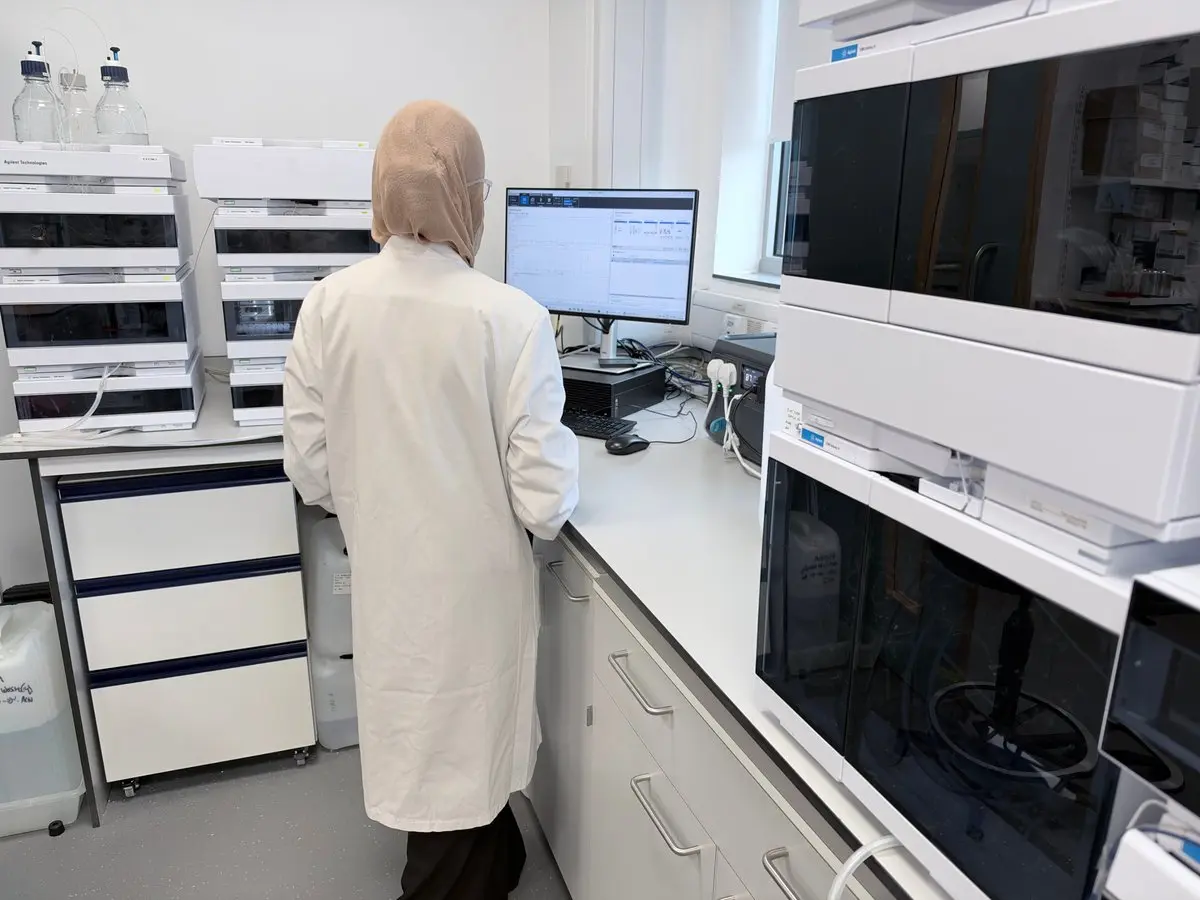
Assemblon expands at Harwell Campus
Assemblon Ltd, the custom oligonucleotide synthesis and chemistry company founded by Professor Tom Brown, Dr Daniel Singleton and Dr Richard Cunningham, has moved into new laboratories at Harwell Campus, marking a significant expansion little more than a year after the company was founded. The move increases Assemblon’s synthesis and purification capacity to meet growing demand…
-

New milestone reached with unique electron microscope for tomography: years in the making and brought to life through close collaboration
The Rosalind Franklin Institute and Thermo Fisher Scientific have reached a major milestone in their long running collaboration to develop a unique research instrument based on the Krios cryo transmission electron microscope. Specially configured to address some of the challenges in imaging cells and tissues, the system has now completed installation, commissioning and acceptance and…
-
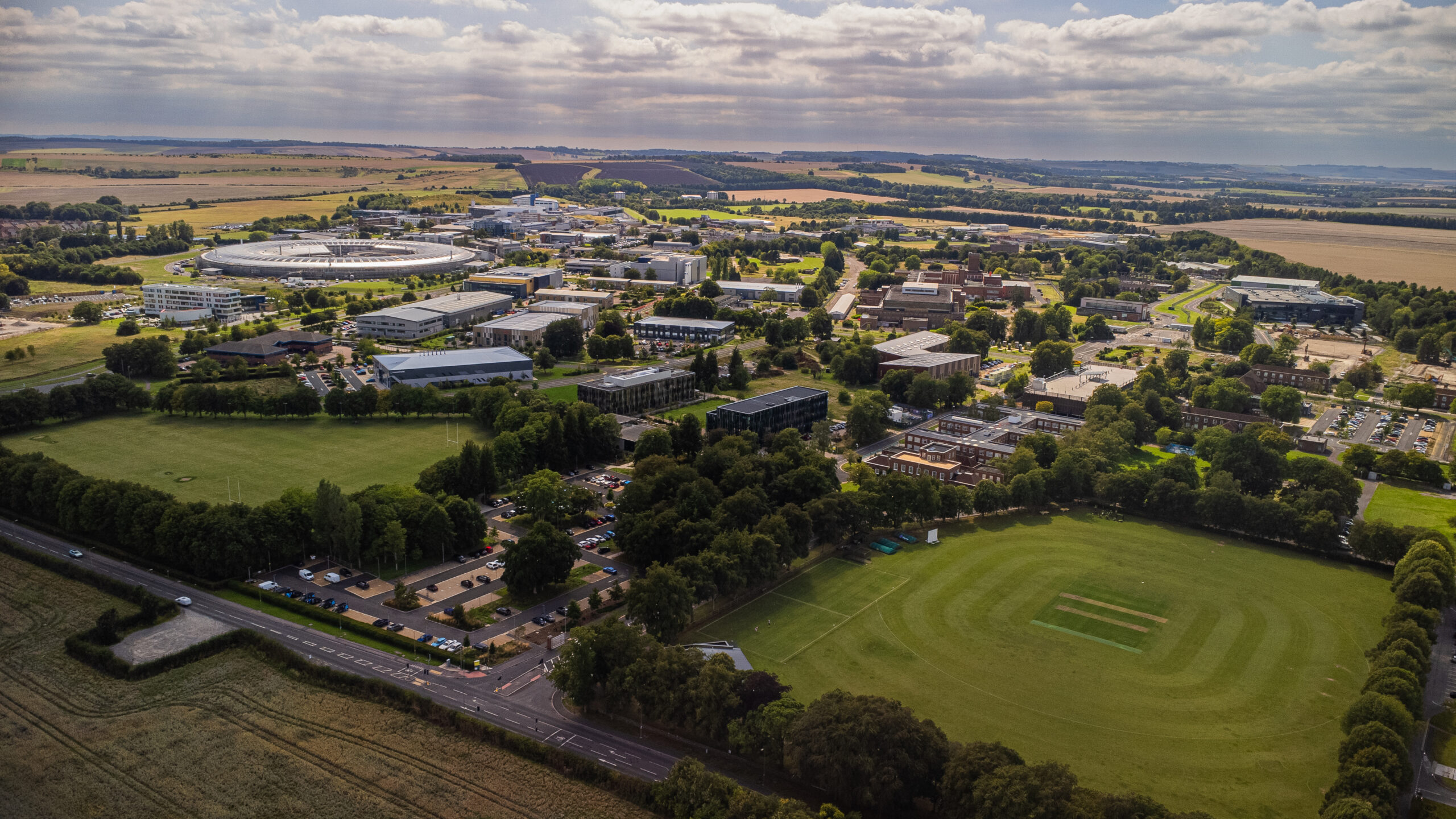
Harwell Campus Publishes Vision 2050 for Future Growth
Harwell Science and Innovation Campus has published Vision 2050, its plan for how the campus will grow over the next 20+ years, and launched a second public consultation inviting local communities, businesses and stakeholders to help shape the Vision. Building on more than eight decades of cutting-edge research, Vision 2050 shows how the 700-acre campus…
