
Lumen Secures Second Award for Pioneering Neuroinclusive Laboratory Design
Lumen, a newly refurbished 17,000 sq ft CL2 fitted laboratory and office building that has set a new industry standard in neuroinclusive lab design, has secured the Innovative Workplace Design Award at the Construction News & Property Week Life Sciences, Tech & Research Clusters Awards.
Submitted in conjunction with BondBryan Fairhursts, Lumen was recognised by judges as a genuinely pioneering entry. As the UK’s first fully fitted neuroinclusive laboratory workspace, it addresses a long-overlooked gap in the sector: nearly half of lab workers identify as neurodivergent, yet laboratory environments have historically failed to reflect their needs.
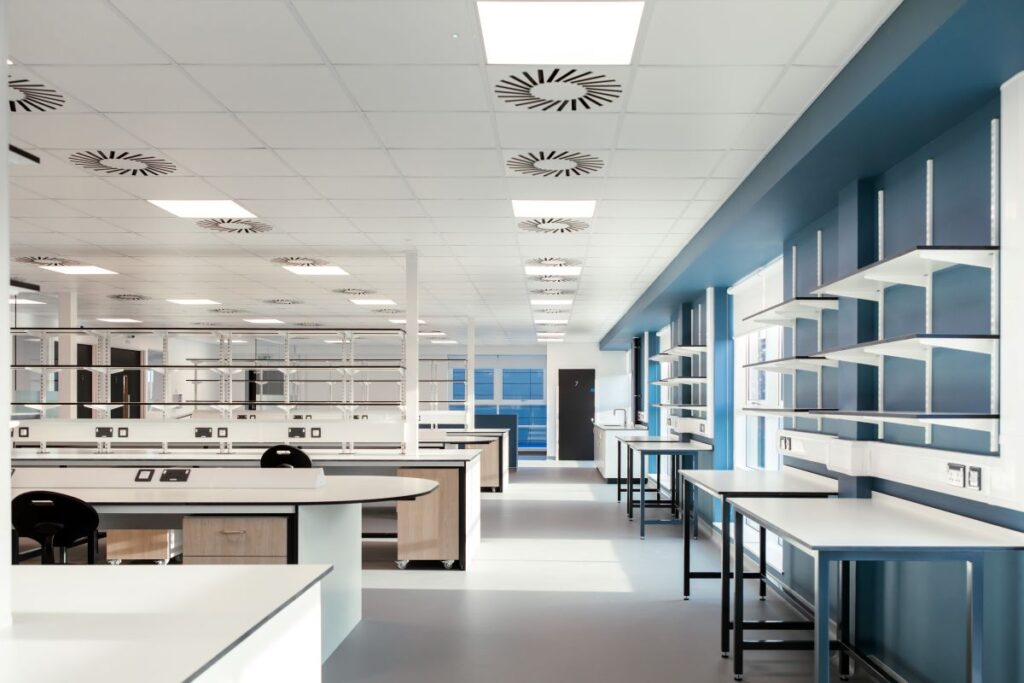
The panel highlighted the rigour of the design approach and its clear link to occupant outcomes. From DALI lighting and acoustic breakout alcoves to neurozones, biophilic elements, braille wayfinding and tailored lab interventions, every feature is underpinned by a clear user-focused rationale.
Sustainability was also central, with a strong emphasis on the retention and reuse of building materials and services. Together, these principles position Lumen as a new benchmark for inclusive, high-performance life sciences workspace.
Lumen was delivered following industry-leading research into neuroinclusive design by ARC and HOK. The award marks the second industry recognition for Lumen, following its win for Innovative Lab Space Solutions.
Jim Stretton managing director of Harwell Campus said: “Lumen represents a step change in how we think about science spaces. By setting a new industry standard in inclusive laboratory design, we’re helping our scientists to deliver life-changing research in environments that truly support them.”
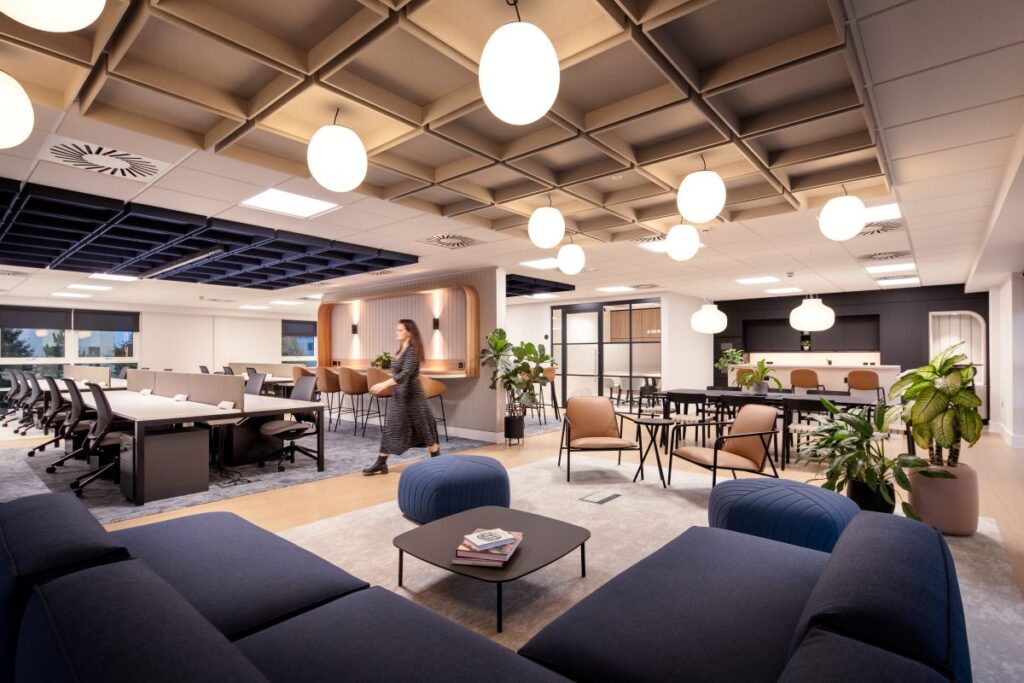
Amanda Lawless, senior interior designer at BondBryan Fairhursts, said: “Designing interiors that balance functionality with inclusivity has been central to this project. By rethinking everything from colour palettes to acoustics and spatial layouts, we’ve been able to create a laboratory and workplace environment that not only meets technical demands but also fosters comfort, focus and creativity for a diverse community of users.”
Lumen is one of the latest developments to open at Harwell Science and Innovation Campus and forms part of the Campus’ 600 Initiative, which will deliver over 600,000 sq ft of innovation and collaboration space by 2026, supporting the immediate needs of Oxfordshire’s thriving innovation and spin-out community.
Looking ahead, the Campus masterplan will deliver a further 4.5 million sq ft of advanced manufacturing, laboratory and office space, ensuring the 700-acre campus continues to power UK science, technology and industrial growth for years to come.
Related news
-
Oxford University Innovation Named as a Founding Member of CO:LABS at Harwell
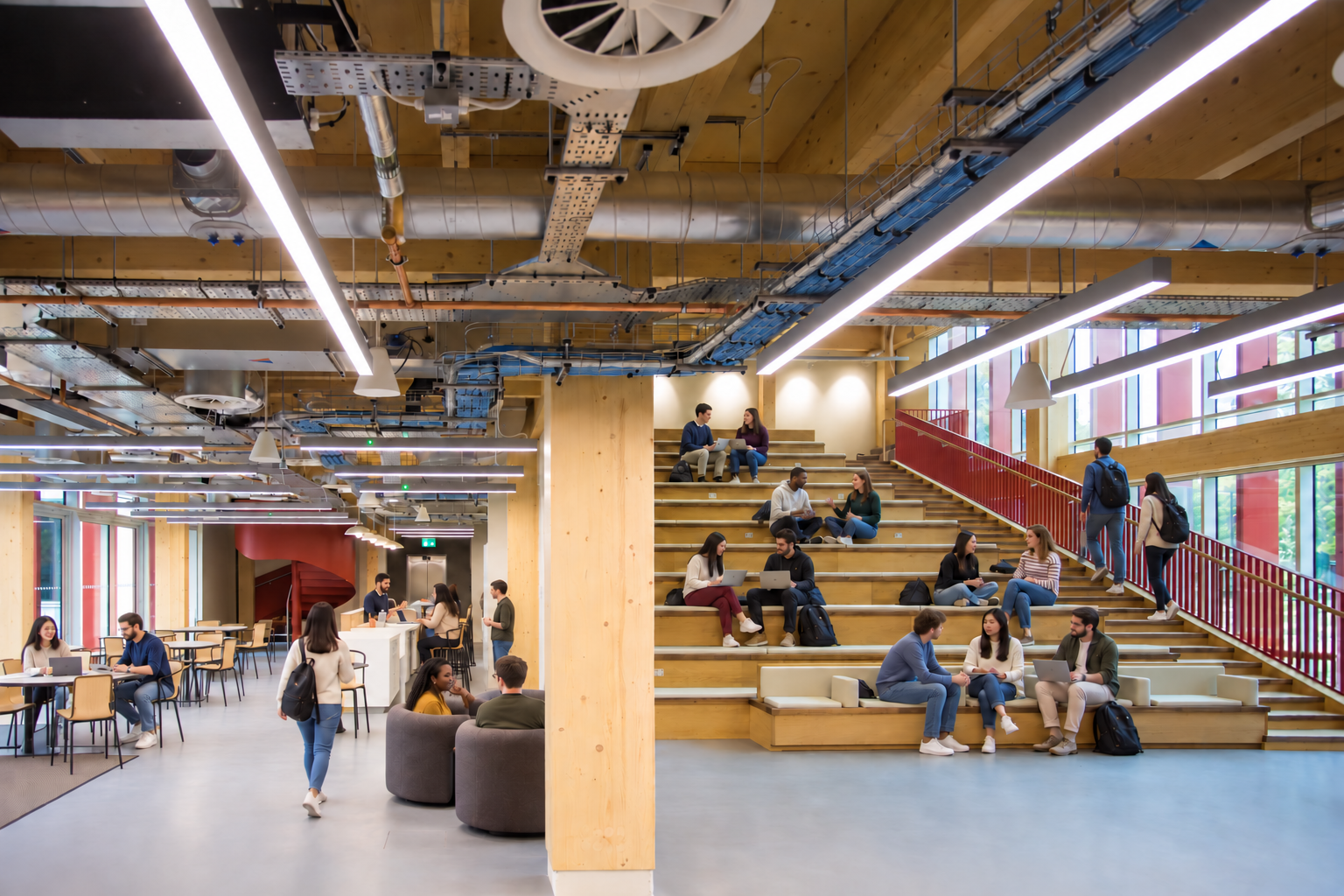
Oxford University Innovation (OUI) has been announced as a founding partner of CO:LABS, Harwell Science and Innovation Campus’s new landmark development designed to help science and technology businesses connect, collaborate and grow. This strategic partnership marks another milestone in bolstering the resources and expertise available to emerging companies at CO:LABS, as OUI joins The Rosalind…
-
World’s first open-access battery imaging library launches
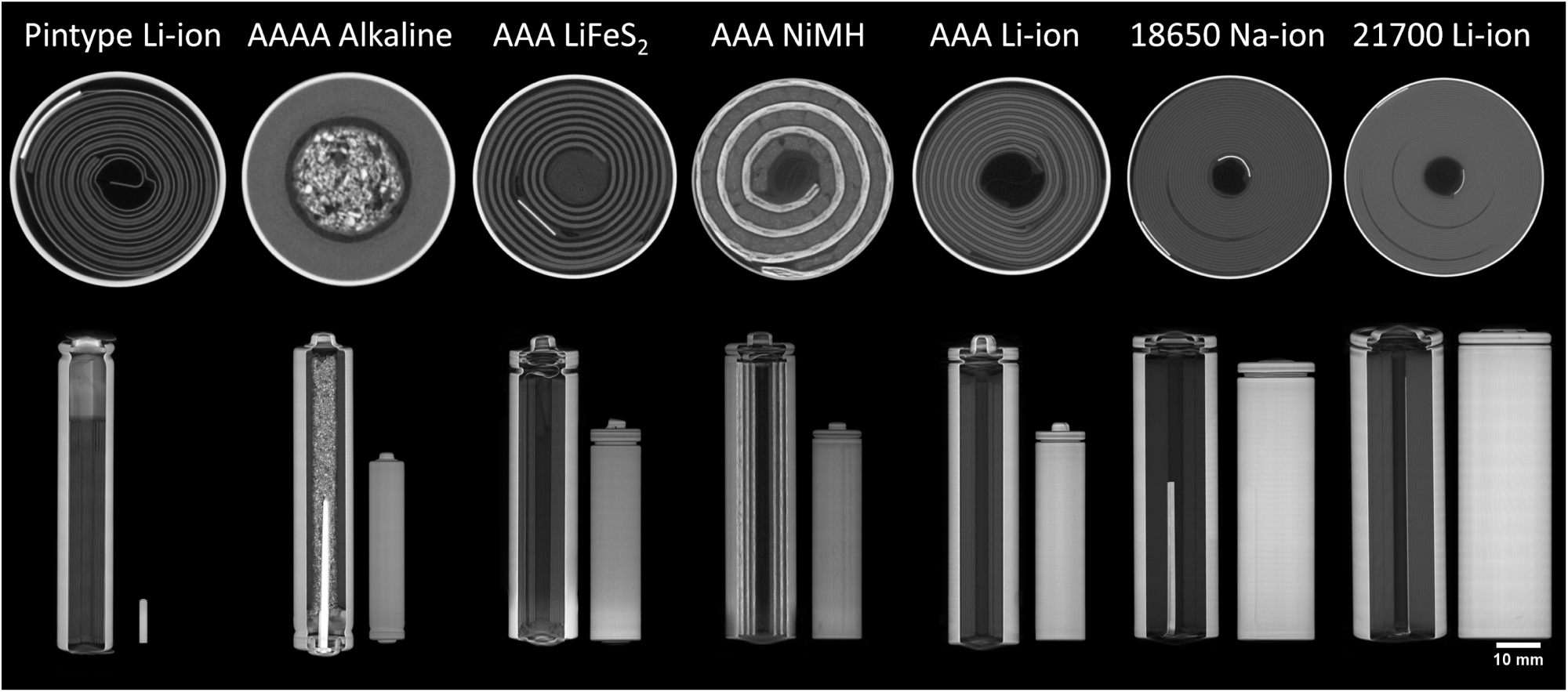
A collaboration between scientists from Diamond Light Source and the ISIS Neutron and Muon Source has contributed to the development of the world’s first open-access battery imaging library. The library was created through an international collaboration led by Dr Antony Vamvakeros, Royal Society Industry Fellow at Imperial College London and Research and Development Lead at…
-
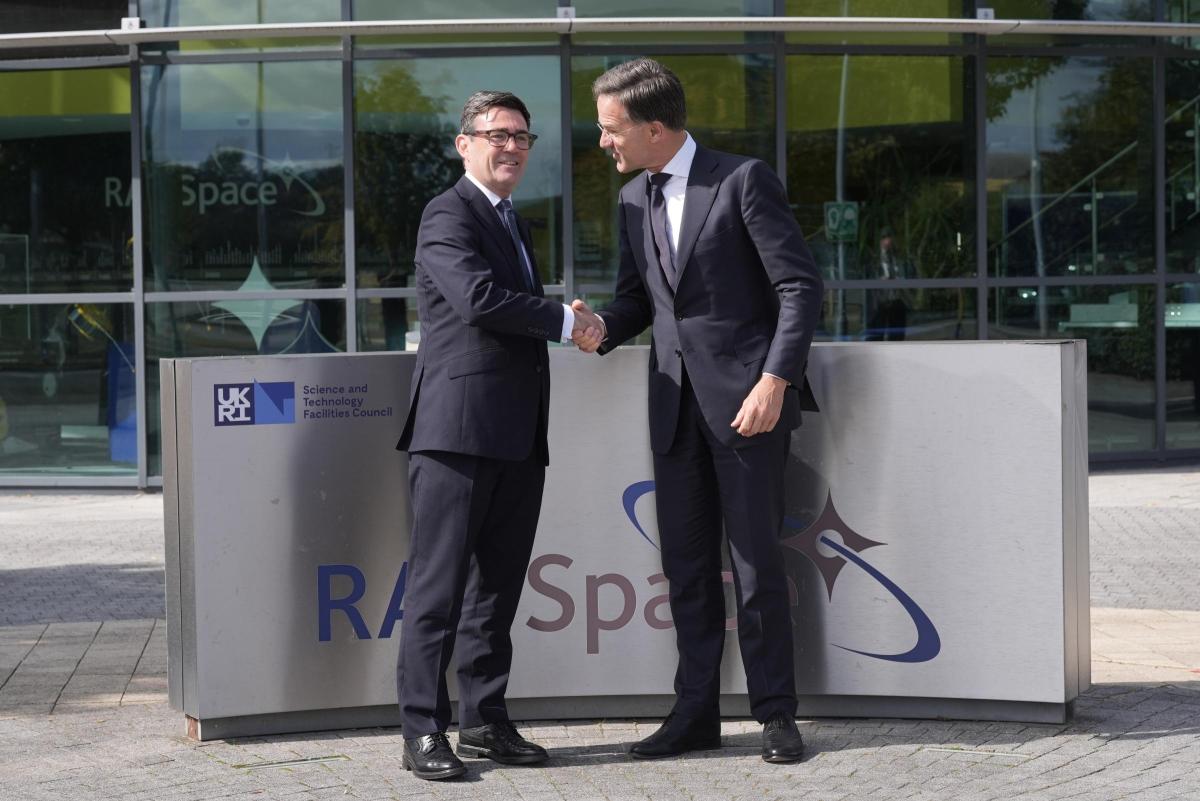
NATO Secretary General and Prime Minister visit Harwell to see UK space and defence capabilities
Harwell Science and Innovation Campus welcomed NATO Secretary General Mark Rutte and Prime Minister Andy Burnham on Wednesday 16 September, highlighting the strength of the UK’s space, defence and security capabilities. The visit brought together two important areas of the campus: Harwell’s established Space Cluster, home to more than 100 space organisations and 1,400 people,…
