
The Blue Plaque Trail
To celebrate Harwell’s 80th anniversary, step into the stories of eight remarkable pioneers whose discoveries, ideas and achievements have left a lasting impact on science and innovation.
Celebrate extraordinary.
Follow the Blue Plaque Trail around the campus and explore the people behind the names, the breakthroughs, and the legacy they created. But the journey doesn’t end there… a secret 9th plaque is waiting to be discovered along the route. Keep your eyes open, look beyond the main stops, and see what top secret story you can uncover.
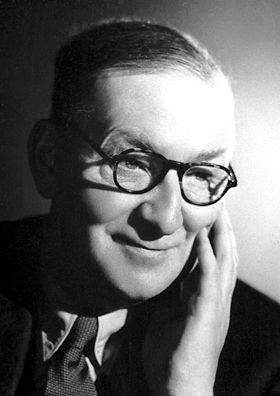
Sir John Cockcroft
Powering a New Atomic Age
Sir John Cockcroft, the Nobel Prize winning physicist, was the visionary founder and first director of the Atomic Energy Research Establishment (AERE) at Harwell.
Renowned for splitting the atom with Ernest Walton an achievement that earned him the 1951 Nobel Prize in Physics, Cockcroft went on to shape Britain’s pioneering work in nuclear energy. At Harwell, he led the research and development of graphite pile reactors and advanced chemical separation processes essential for fuel production.
Under his direction, Harwell became the heart of postwar atomic innovation. The low-powered, graphite-moderated GLEEP reactor the first nuclear reactor to operate in Western Europe achieved criticality on 15 August 1947, marking a new era in scientific discovery. This was soon followed by BEP0 (British Experimental Pile 0) in 1948, further extending the UK’s nuclear research capabilities.
Harwell scientists, working under Cockcroft’s leadership, also contributed to the design of reactors and chemical separation plants at Windscale, and played a major role in frontier fusion research, including the groundbreaking ZETA fusion program, which was decades ahead of its time in the 1940s and 50s.
Today, Cockcroft’s legacy endures across the Harwell Campus. Many of its state-of-the-art developments take their names from the site’s historic reactors a nod to its pioneering past. Zeta, a flagship mid-tech building offering advanced R&D and laboratory space, and BEP0, purpose-built for cutting-edge manufacturing and innovation, both stand as modern tributes to the scientific breakthroughs first made under Cockcroft’s leadership.
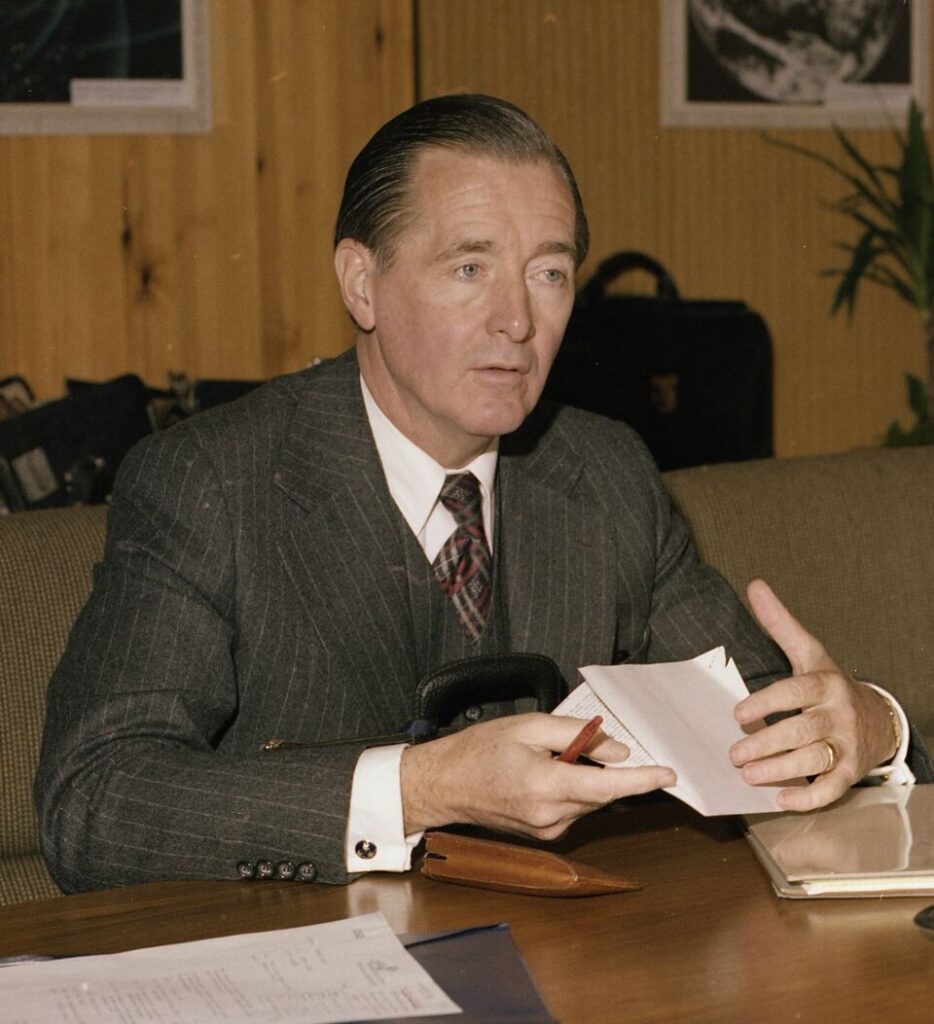
Roy Gibson
Architect of Europe’s Space Ambition
Roy Gibson was more than a scientist, he helped Europe find its place in space. As the first Director General of the European Space Agency (ESA) from 1975 to 1980, Gibson guided Europe’s space exploration from concept to reality, shaping the foundations of the organisation that continues to define Europe’s presence today. In tribute to his legacy, ESA’s purpose-built facility at Harwell Campus proudly bears his name, the Roy Gibson Building.
Born in Manchester in 1924, Gibson’s early years hinted at a restless curiosity and global outlook. He studied at both Oxford and the London School of Economics before embarking on a decade of service with the British Colonial Administrative Service in Malaya. Returning to London in 1958, he joined the UK Atomic Energy Authority, where he helped steer national scientific programmes through a rapidly changing post-war world. By the late 1960s he became a Director at the European Space Research Organisation (ESRO), an ambitious collaboration of ten European nations committed to advancing scientific research in space.
When Europe decided to unify its space efforts, it was Gibson who oversaw the complex merger of ESRO with the European Launcher Development Organisation (ELDO). Out of that union, in 1975, the European Space Agency was born, with Gibson at the helm. His tenure as ESA’s first Director General laid the groundwork for Europe’s independent space capability, ensuring that European scientists and engineers could successfully work together. Gibson’s influence didn’t end there.
In the 1980s he returned to the UK to become the first Director General of the British National Space Centre, before advising the European Commission on aerospace strategy and helping to establish the European Environment Agency.
In 2024, Roy Gibson celebrated his 100th birthday.
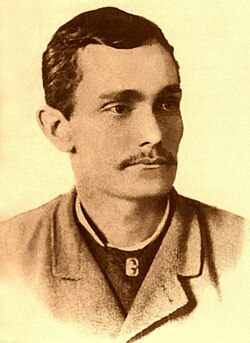
Dr Charles Ford
and the Discovery That Changed Human Genetics
When Dr Charles Edmund Ford arrived at the MRC Radiobiology Unit at Harwell in 1949, he stepped into what would become one of the most transformative chapters in modern genetics. Over the next two decades, his pioneering work helped rewrite humanity’s understanding of its own biological blueprint.
Ford’s first major breakthrough came in 1956, when he helped resolve a mystery that had puzzled scientists for more than 30 years: how many chromosomes does a human being actually have? For decades, the accepted number had wavered between 47 and 48. Working alongside his colleague John Hamerton, Ford provided the definitive answer. Studying germ cells from healthy men, they demonstrated that humans have 23 pairs of chromosomes, 46 in total, confirming and strengthening a parallel report that reached the same conclusion. It was a landmark moment that set the foundation for modern human genetics.
At Harwell, Ford’s curiosity extended beyond chromosome counting. He explored the biological effects of radiation, showing how it suppressed the immune system and how bone marrow transplants could restore health to patients with leukaemia, findings that would later underpin life-saving treatments. Perhaps most remarkably, Ford’s team developed new cytogenetic techniques that allowed chromosomes to be grouped and compared by size and shape.
With these methods, they identified the chromosomal patterns behind key genetic disorders for the first time: a male patient with Klinefelter syndrome carrying two X chromosomes, and a female patient with Turner syndrome missing one. These discoveries revealed that the Y chromosome alone determines maleness in mammals.
When Ford left Harwell for the University of Oxford in 1971, he carried with him a legacy that had already transformed both genetics and medicine. By the time he retired in 1978, his work had helped establish the chromosomal foundation on which much of modern genetic science still stands.
Mary Lyon
A pioneer of Modern Genetics
When Mary Lyon arrived at Harwell in 1955, she was part of a small group of mouse geneticists moving from Edinburgh to continue their groundbreaking research. She would remain at Harwell for the rest of her working life, and for more than three decades her work transformed the understanding of genetics and laid the groundwork for generations of scientists to come.
It was at Harwell, in 1961, while studying the effects of radiation, that Lyon made the discovery that would define her career, X-chromosome inactivation. She revealed that in female mammals, one of the two X chromosomes is switched off in each cell, ensuring that gene expression remains balanced between males and females. This process, later dubbed “Lyonization” in her honour, became one of the central principles of modern genetics. Lyon’s work at Harwell extended far beyond that single discovery. She developed methods for embryo freezing, allowing researchers to preserve mouse strains without maintaining live colonies, making genetic research more sustainable and precise. She also led efforts to standardise genetic systems and naming conventions, creating the shared language that underpins the use of mice as model organisms in disease research worldwide.
Her influence lives on not only in the science but in the place itself. In 2004, the Mary Lyon Centre was opened at MRC Harwell, a state-of-the-art facility dedicated to mouse genetics and named in recognition of her contributions to science. Today, it serves as the home of the National Mouse Archive, the UK node of the European Mouse Mutant Archive, and the hub of the MRC National Mouse Genetics Network. In 2018, the International Mammalian Genome Society established the Mary Lyon Award, honouring her career and her role as a mentor during a time when few women entered science. The award continues to celebrate outstanding female researchers in mammalian genetics, carrying forward the spirit of a scientist who changed not just her field, but the opportunities within it.
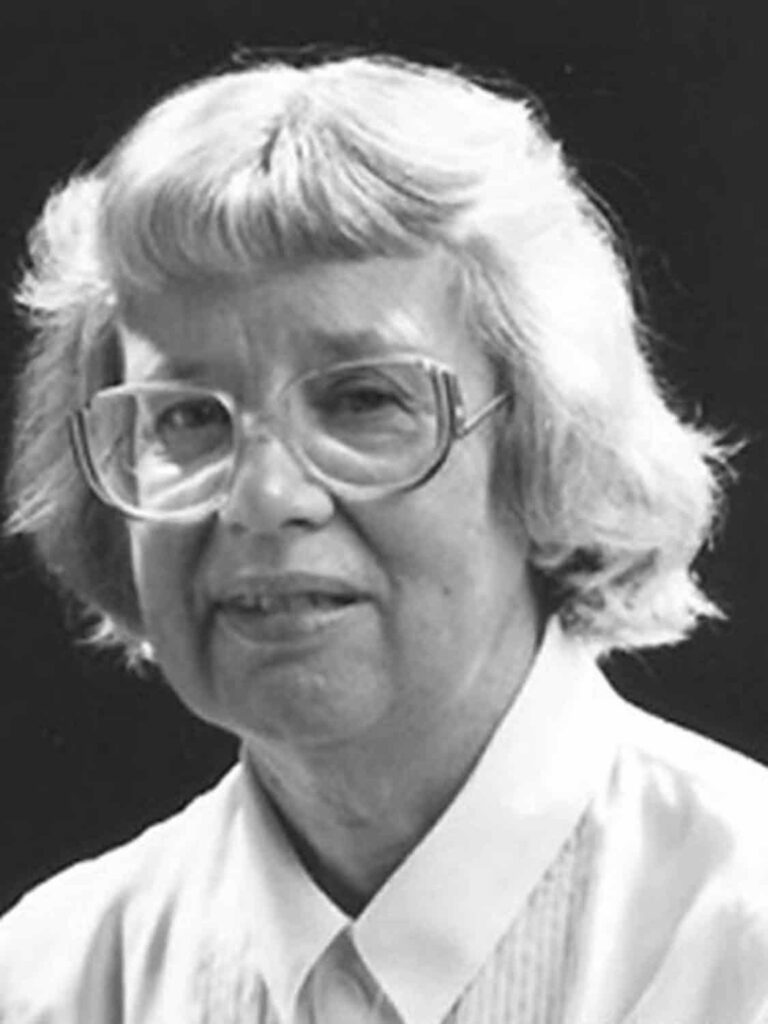
Frank Close
A quest for understanding
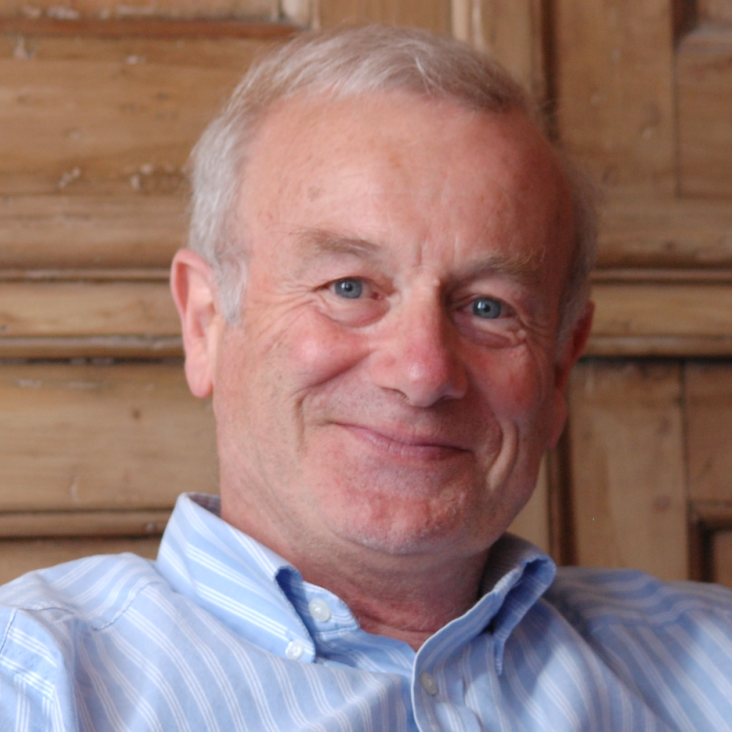
As one of the world’s leading particle physicists, Frank Close has spent more than three decades asking and answering the questions that have reshaped our understanding of the universe.
Deconstructing complexity is his hallmark. Long before science communication became fashionable, Close was writing books, articles, and delivering lectures that made physics accessible to the curious layperson.
In an interview with the Guardian newspaper Frank said: “Science isn’t about finding the solutions to problems so much as asking the questions in the first place,” he says. “And it’s not always obvious what questions one ought to be asking. You can ask something so trivial that no one’s interested in the answer, or you can ask something so difficult you’ll never find an answer. The trick is to ask the question that will make a difference.” In the late 1970s, he even managed to get the solar neutrino problem featured on Tomorrow’s World by reframing it with irresistible simplicity: “Is the sun still shining?” His books followed shortly after.
The Cosmic Onion became an intellectual yet engaging guide to the subatomic world, while Lucifer’s Legacy explored one of the great philosophical questions: why there is something rather than nothing. In 1996, Close was awarded the Kelvin Medal by the Institute of Physics for his exceptional contribution to public understanding of physics. His Very Short Introduction to Particle Physics remains an essential read for students and enthusiasts alike.
Francis Edwin Close (born 24 July 1945) is Emeritus Professor of Physics at the University of Oxford and a Fellow of Exeter College. After joining the Rutherford Appleton Laboratory at Harwell in 1975, he went on to lead its Theoretical Physics Division in 1991. Close’s work is driven by a love of mystery and wonder , qualities that continue to define both his research and his writing.
Whether exploring the elusive pentaquark or the origins of matter itself, he invites us all to share in the thrill of discovery.
Joan Margaret Pye
Energy for the next generation
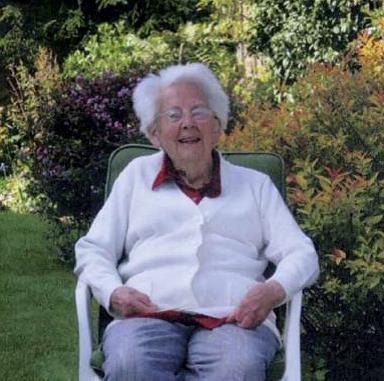
Joan Margaret Pye lived a remarkable life shaped by intellect, integrity, and a lifelong belief in the power of science to serve humanity. Born in Durham and educated at the Royal School, Bath, Joan went on to read Classics at St Hugh’s College, Oxford. During the Second World War, she worked for MI5 at Blenheim Palace.
After the war, Joan joined the War Office before becoming personal secretary to Sir John Cockcroft at the Atomic Energy Research Establishment (AERE) at Harwell. Cockcroft, one of Britain’s leading nuclear physicists, inspired Joan’s conviction that nuclear power was truly the ‘energy for the next generation.’ She later served as a records officer at AERE, working alongside the distinguished historian of science Margaret Gowing. Joan retired from the civil service in 1976 but remained as intellectually active as ever. In 2004, at the age of 88, she founded The Joan Pye Project, a self-funded initiative dedicated to promoting balanced, evidence-based discussion on the future of energy in the UK.
The Project’s core team a network of independent physicists, chemists, and engineers continues to argue that nuclear power offers a clean, safe, and affordable source of energy essential for combating climate change. Her belief in progress was matched by her spirit of independence. Joan was one of the first women in her community to hold a driving licence, and she continued to champion science and reason well into her 90s. In 2009, she published her memoir, Atoms for Peace, a reflection on her years at Harwell and her love of art, music, travel, and ideas.
Joan Pye’s sense of duty, truth, and clarity left a lasting mark on all who knew her. Through The Joan Pye Project, her legacy endures a reminder that thoughtful debate and scientific curiosity can still light the way to a better future.
Klaus Fuchs
Atomic secrets
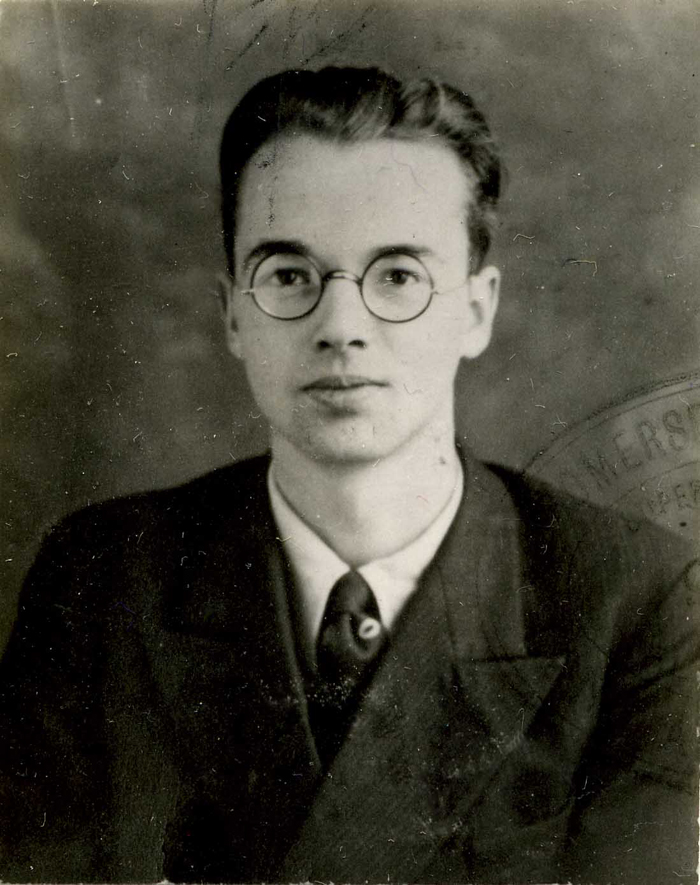
Emil Julius Klaus Fuchs was born in 1911 in Germany. A gifted physicist, he studied at Leipzig before the rise of Nazism forced a moral and political reckoning. Outraged by the Lutheran Church’s accommodation of Hitler, Fuchs joined the German Communist Party in protest.
As persecution intensified, he fled to Britain in 1933. In the UK, Fuchs earned a PhD at Bristol under Nobel laureate Nevill Mott, then a second doctorate at Edinburgh working with Max Born. His early papers on quantum physics established him as one of Europe’s most promising young scientists. But when war broke out in 1939, Fuchs’ German birth made him suspect. Classified as a “Category C enemy alien” the lowest threat level, yet still deemed risky he was interned on the Isle of Man and later deported to Canada. The experience only deepened his belief in Communism. Six months later, he returned to Edinburgh, where physicist Rudolf Peierls recruited him to join “Tube Alloys,” Britain’s secret atomic bomb project.
When Germany invaded the Soviet Union on 22 June 1941, Fuchs resolved to share his research with Moscow, convinced that the USSR’s survival was vital to defeating fascism. On 7 August 1942, he took British citizenship swearing allegiance to the Crown while secretly serving another cause. In 1943, Fuchs joined the British delegation to the Manhattan Project in the United States, helping to develop the world’s first nuclear weapons.
Throughout and after the war, he passed critical information to Soviet intelligence. The material he supplied designs, equations, and theoretical frameworks gave Soviet scientists everything they needed to replicate the American bomb. When the USSR detonated its first atomic weapon in September 1949, the speed of their success stunned Western intelligence, who had assumed such a breakthrough was years away. In 1946, Fuchs returned to Britain to lead the theoretical physics division at the newly established Atomic Energy Research Establishment at Harwell known to insiders as “the holy of holies” for its secrecy. Every employee signed the Official Secrets Act. Fuchs took up residence in Ridgeway House, the officers’ mess on site, while continuing to pass information to his Soviet handlers sometimes by leaving coded material in magazines tossed over a garden fence in Kidlington to a courier known as ‘Sonia.’
His espionage extended even to the development of the hydrogen bomb. Analysts later concluded that Fuchs’ intelligence had accelerated the Soviet nuclear programme by as much as two years, fundamentally reshaping the course of the Cold War. Eventually unmasked in 1949, the German-born scientist became one of the most notorious spies ever caught in Britain, a brilliant mind whose divided loyalties changed the balance of global power.
TG (Gerry) Pickavance
The Accelerator Pioneer Who Powered Harwell’s Golden Age
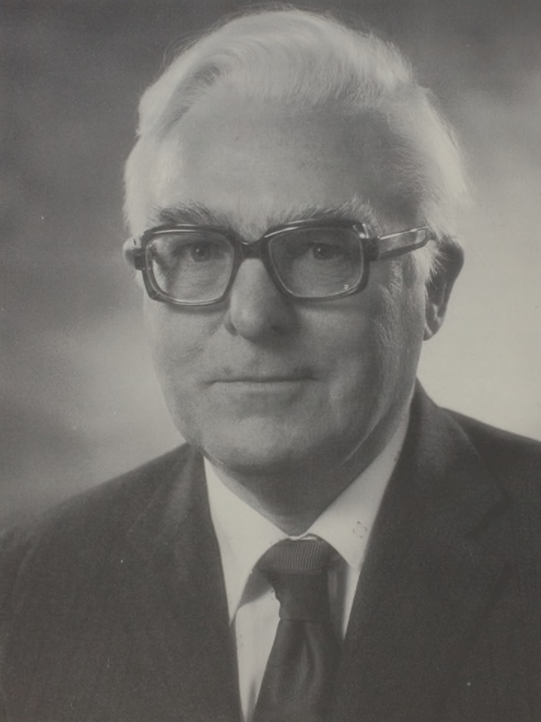
If you’ve ever wondered how Harwell became a powerhouse of high-energy physics, much of that story begins with one remarkable man: Thomas Gerald “Gerry” Pickavance. Born in 1915 in St Helens, Pickavance grew from a young physicist at the University of Liverpool into one of Britain’s leading authorities on particle accelerators. His early career saw him working on the Liverpool cyclotron and contributing to the wartime Tube Alloys project. But it was after arriving at Harwell in 1946 that Pickavance’s influence truly took off. Picked by Sir John Cockcroft to oversee the construction of the Harwell cyclotron, Pickavance quickly proved himself a natural leader, quiet, organised and exceptionally good at bringing together teams of physicists and engineers. His collaboration with colleagues like John Adams and Snowdon created a tight-knit, inventive group who pushed each other to design ever more ambitious machines. Their teamwork powered Harwell’s first synchrocyclotron in 1949 and sparked a wave of accelerator innovation that lasted for decades. Pickavance’s vision didn’t stop at Harwell. His research into new accelerator technologies paved the way for the 50 MeV proton linear accelerator and the 8 GeV Nimrod proton synchrotron, both constructed at the newly established Rutherford High Energy Laboratory. Pickavance became its first Director, guiding what would become the UK’s leading centre for particle physics. Colleagues remembered him not just as a brilliant engineer, but as a generous collaborator, always ensuring visiting university researchers had the tools and support they needed. This open, shared-facility
approach helped shape the model for modern large-scale international physics collaborations. Beyond Harwell and Rutherford, Pickavance helped direct Britain’s national nuclear physics programme and played a key role in backing CERN’s 300 GeV proton synchrotron, one of the most important decisions in Europe’s scientific history. By the time he was honoured as a CBE, elected to the Royal Society, and awarded the Glazebrook Medal, Pickavance had already secured his legacy as a major figure in 20th-century physics. Those who worked with him often said the same thing: Gerry Pickavance had a gift for bringing people together. He created teams that were more than the sum of their parts, and he built an environment at Harwell where scientists from across the UK could do groundbreaking work. Today, Harwell’s main lecture theatre proudly bears his name a space where many scientists continue to present their ideas, share discoveries and follow in the footsteps of pioneers like Pickavance. He died in 1991, but his influence lives on in the accelerators that transformed UK science and in the collaborative spirit that remains part of Harwell today.
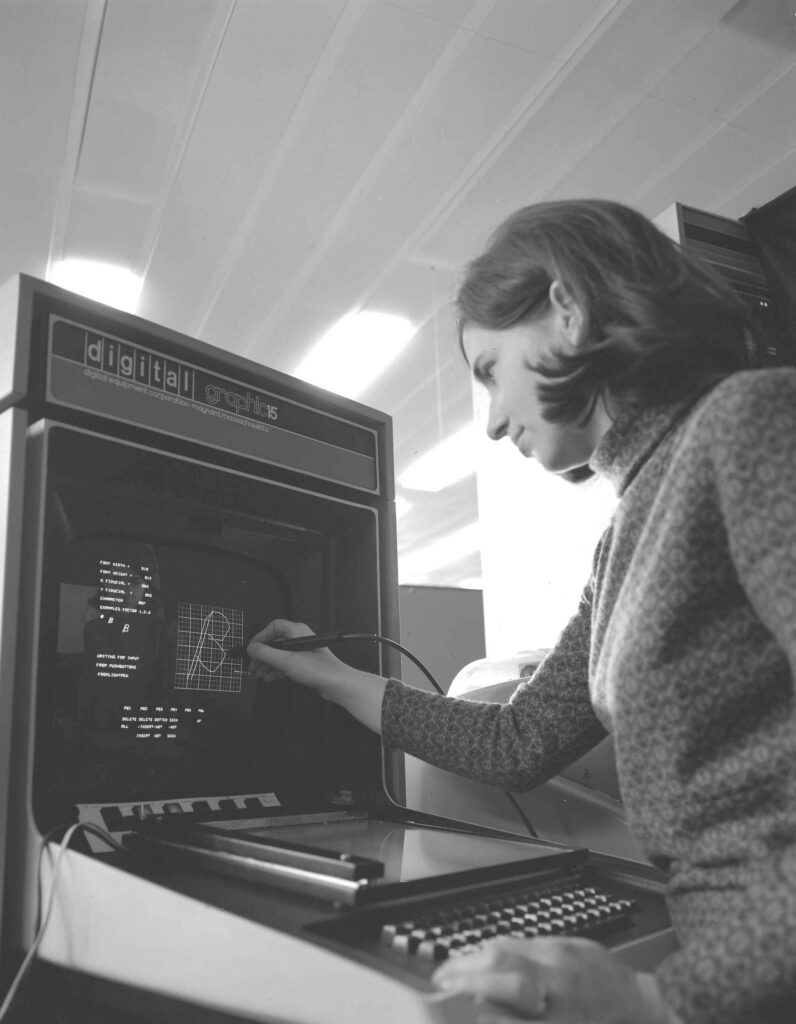
Susan Hockey
Long before digital humanities became a recognised field, Susan Hockey was quietly making history at Harwell. Working at the Atlas Computer Laboratory in the late 1960s, Hockey helped bridge a gap that few realised existed: the need for computers to support the diversity of human language.
At a time when computers could barely display more than basic Latin characters, Hockey developed custom digital fonts for languages such as Arabic and Persian, using the SC4020 microfilm recorder and the PDP-15 graphics system. Her work was not just technical, it was visionary. By enabling scholars to view, manipulate, and analyse non-Western scripts digitally, she opened the door to international research collaboration and laid the foundation for what would eventually become global text-encoding standards.
Hockey’s time at Harwell marked the beginning of a career dedicated to empowering researchers through technology. Her later leadership roles at Oxford, UCL, and international digital humanities organisations cemented her influence, but it was in the experimental environment of the Atlas Lab that her innovative approach first took shape. Today, as we navigate an increasingly multilingual digital world, her early breakthroughs remind us of the power of inclusive design and the importance of building tools that reflect the full richness of human culture.
