Etcembly reveals world’s first immunotherapy drug designed using generative AI technology
Researchers at British biotech company Etcembly, based at Harwell Campus, have successfully used ChatGPT-inspired generative AI to design a new immunotherapy drug for cancer. This is the first time such technology has been used in this way.
Known as a bispecific T cell engager, the drug is based on naturally-occurring molecules known as T cell receptors (TCRs) that bring immune ‘killer’ T cells into contact with cancer cells to destroy them. However, natural TCRs have low affinity for cancer cells, and can also recognise targets on healthy cells. Significant molecular engineering is therefore needed to create TCRs with sufficient sensitivity and selectivity to be used as drugs.
At the heart of the discovery is EMLy™ – a sophisticated supercomputer that uses cutting-edge machine learning algorithms to scan through huge datasets to learn the ‘language’ of TCRs and find the best receptor for a given target.
A generative large language model (LLM) similar to ChatGPT is then used to ‘rewrite’ the genetic code for the TCR in order to make it as effective as possible. Finally, this code is validated experimentally in the lab where it is used to make real life TCR-based drugs for testing.
The new therapy, ETC-101, is designed to target PRAME – a molecule that is present in many cancers with poor survival rates. The current lead drug binds to PRAME with a million-fold greater affinity than a natural TCR but does not bind to any cells in healthy tissue, suggesting that it should be highly potent with few side effects. This has been achieved in just 11 months, compared with more than two years for conventional TCR discovery and engineering processes.
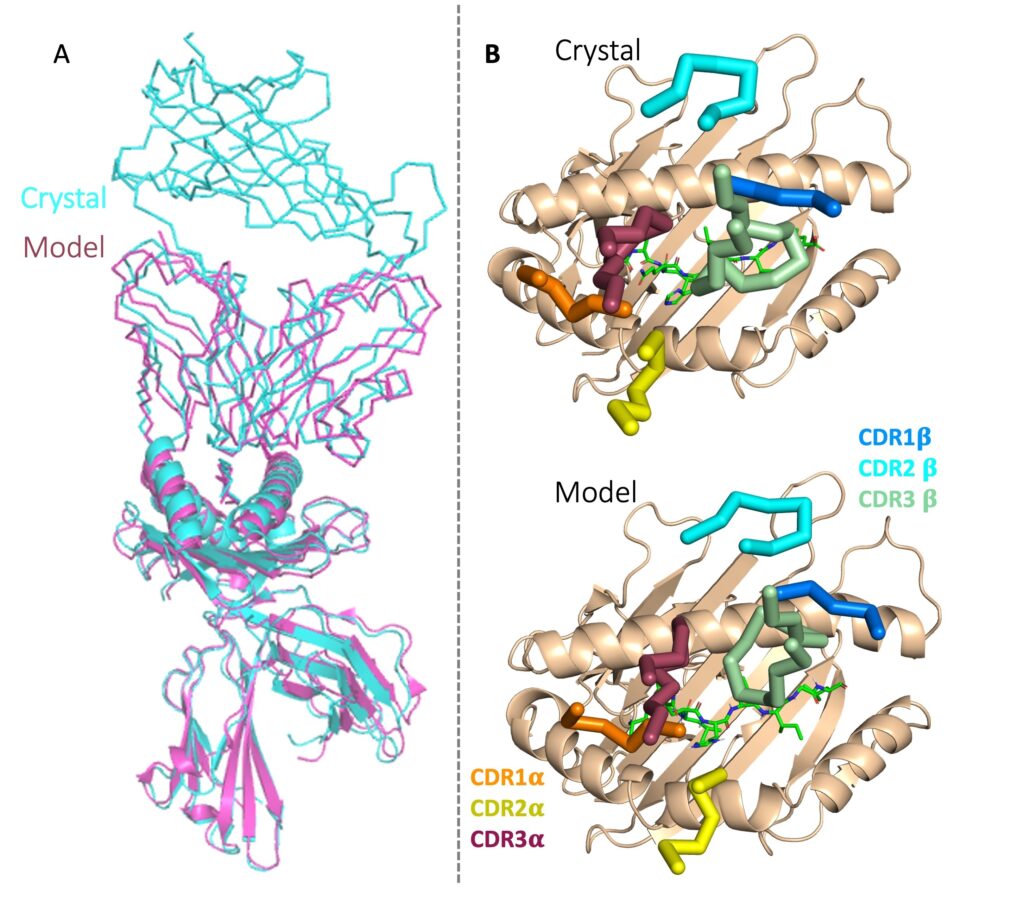
T cell receptor (TCR) structures predicted by EMLy™ (Model) and actual crystal structures (Crystal) show strong overlap, highlighting the precision of Etcembly’s approach in supporting rapid engineering of high affinity TCRs
As a next step, the Etcembly team will be further testing ETC-101 in the lab to ensure that it is safe and effective, and hope to take it into clinical trials in 2025. They are also developing new immunotherapy drugs for other types of hard-to-treat cancer, such as melanoma and lung cancer, as well as autoimmune diseases like arthritis.
Etcembly’s game-changing AI technology is breaking through the barriers holding back the discovery and engineering of TCR candidates, accelerating the development of high-quality, potent and safe immunotherapies.
Co-founder and CEO Michelle Teng, says, “Etcembly was born from our desire to bring together two concepts that are ahead of the scientific mainstream – TCRs and generative AI – to design the next generation of immunotherapies. It’s a real testament to the tenacity of our team and our technology that we’ve generated a robust pipeline with first-in-class applications within a few years, and I’m excited to take these assets forward so we can make the future of TCR therapeutics a reality and bring transformative treatments to patients.”
Bent Jakobsen, a renowned immunotherapy pioneer and Etcembly board member, says, “Having headed up the development of TCR therapeutics for many years, it’s exciting to see a new platform with such power to deliver and engineer these therapies. I believe TCRs have the potential to become a prominent drug class but it has been hampered by the difficulties involved with the huge complexities of the system. Etcembly’s breakthrough technologies sweep aside these hurdles and will undoubtedly lead to a game-changing acceleration of the TCR field.”
Visit etcembly.com to learn more.
-
Agilent announced as founding member of CO:LABS
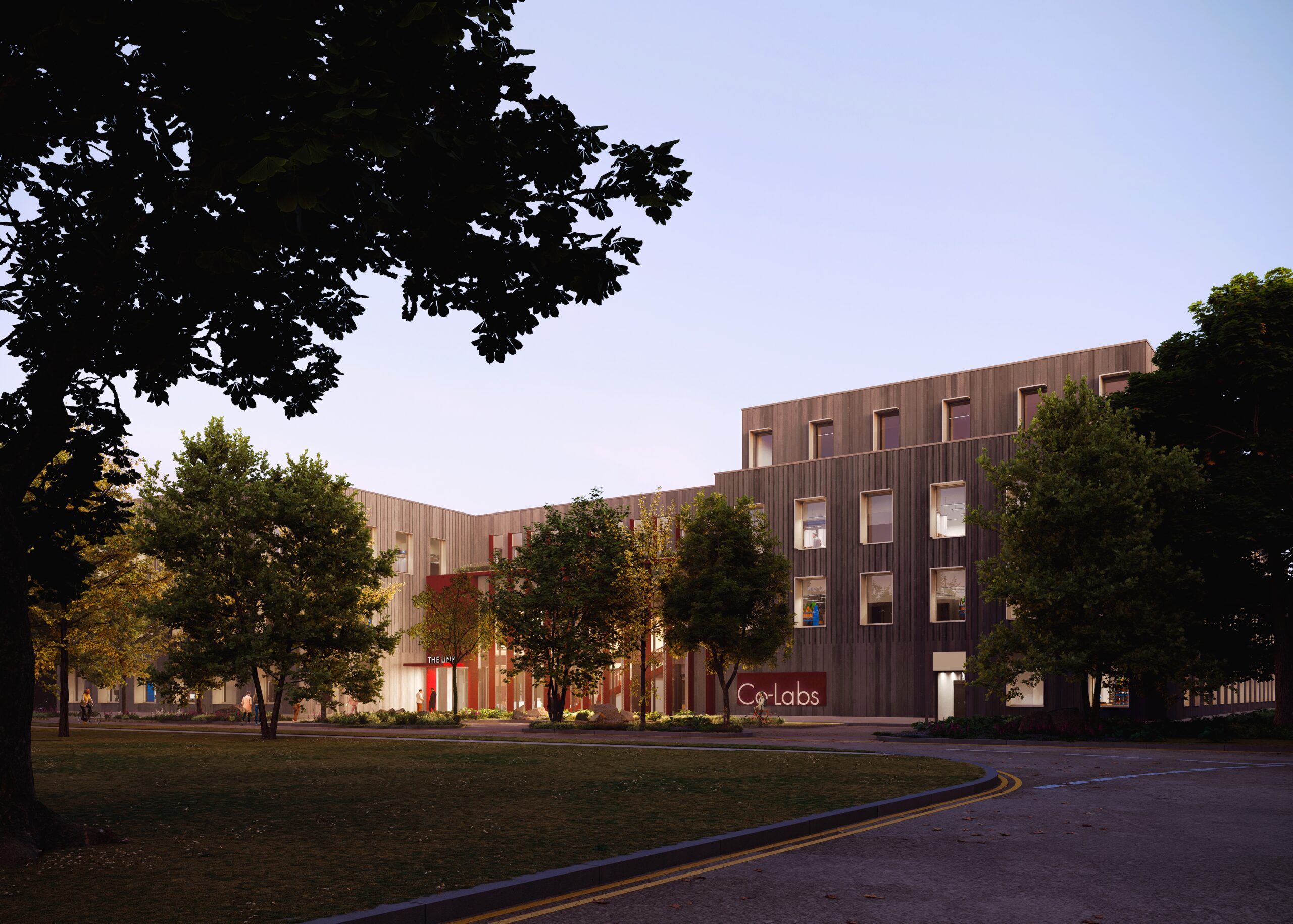
Agilent Technologies has been announced as a founding member of Harwell’s new CO:LABS development. The global leader in life sciences, diagnostics and applied chemical markets will establish a dedicated Agilent demonstration laboratory within CO:LABS, providing startups with access to advanced spectroscopy and life sciences instrumentation. The partnership will provide early-stage companies based at CO:LABS and…
-
Airbus Awarded Aeolus-2 Wind Sensing Satellite Contract by European Space Agency
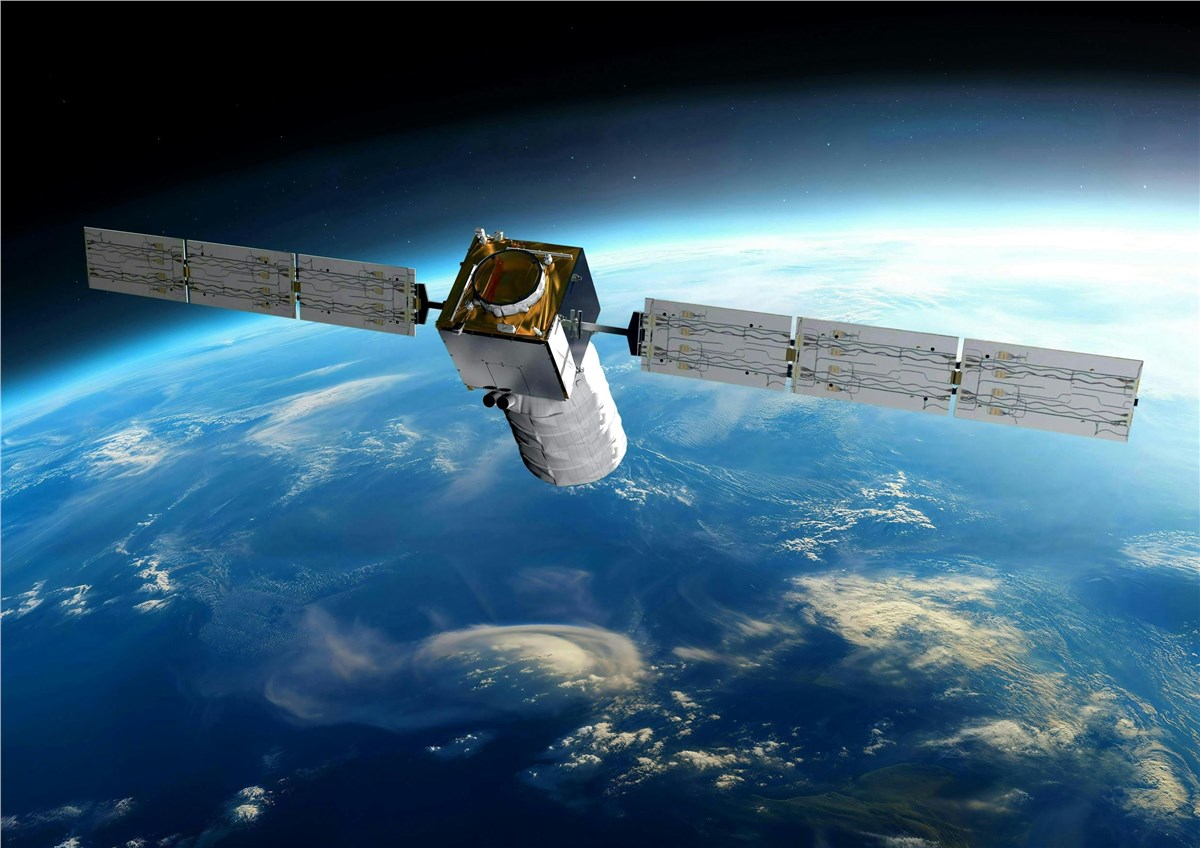
Airbus Defence and Space has signed the initial contract for the design and build of the Aeolus-2 wind sensing satellite from the European Space Agency (ESA) at a ceremony at ESA’s UK headquarters ECSAT at Harwell. Aeolus-2 will follow the first Aeolus wind sensing satellite, built by Airbus and launched in 2018. The first satellite…
-

Study finds Arthritis origins may begin before birth
Researchers at the Kennedy Institute have discovered that some joints may be more susceptible to inflammatory arthritis before birth, offering new insight into why rheumatoid arthritis attacks particular joints while sparing others. “The embryonic origins of site-specific arthritis” published in Nature Immunology, provides new insight into one of the long-standing mysteries of rheumatoid arthritis: why inflammation…
