
Harwell Campus: Vision 2050
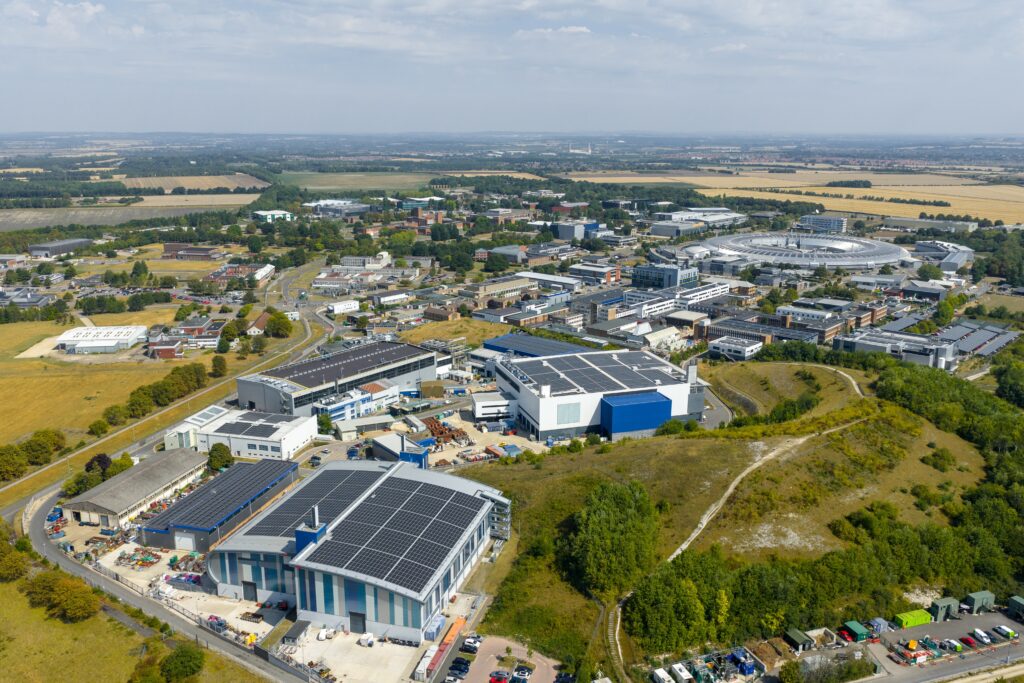
For eight decades, Harwell has been at the forefront of scientific discovery and innovation. Today, world-leading scientific facilities – including Diamond Light Source, the Rosalind Franklin Institute, ISIS Neutron and Muon Source and the National Quantum Computing Centre – neighbour hundreds of thriving companies in a unique innovation environment.
As we celebrate our 80th anniversary, we want your input to help shape our Vision for the next 20+ years. The Campus has the opportunity to evolve and making an even bigger impact on driving economic growth, creating exciting jobs and addressing the most important research challenges.
We aim to cement Harwell as a centre of global scientific excellence. We’ll do this by creating a more integrated, sustainable, and welcoming campus for our researchers, innovators, businesses, and neighbouring community.
Why now?
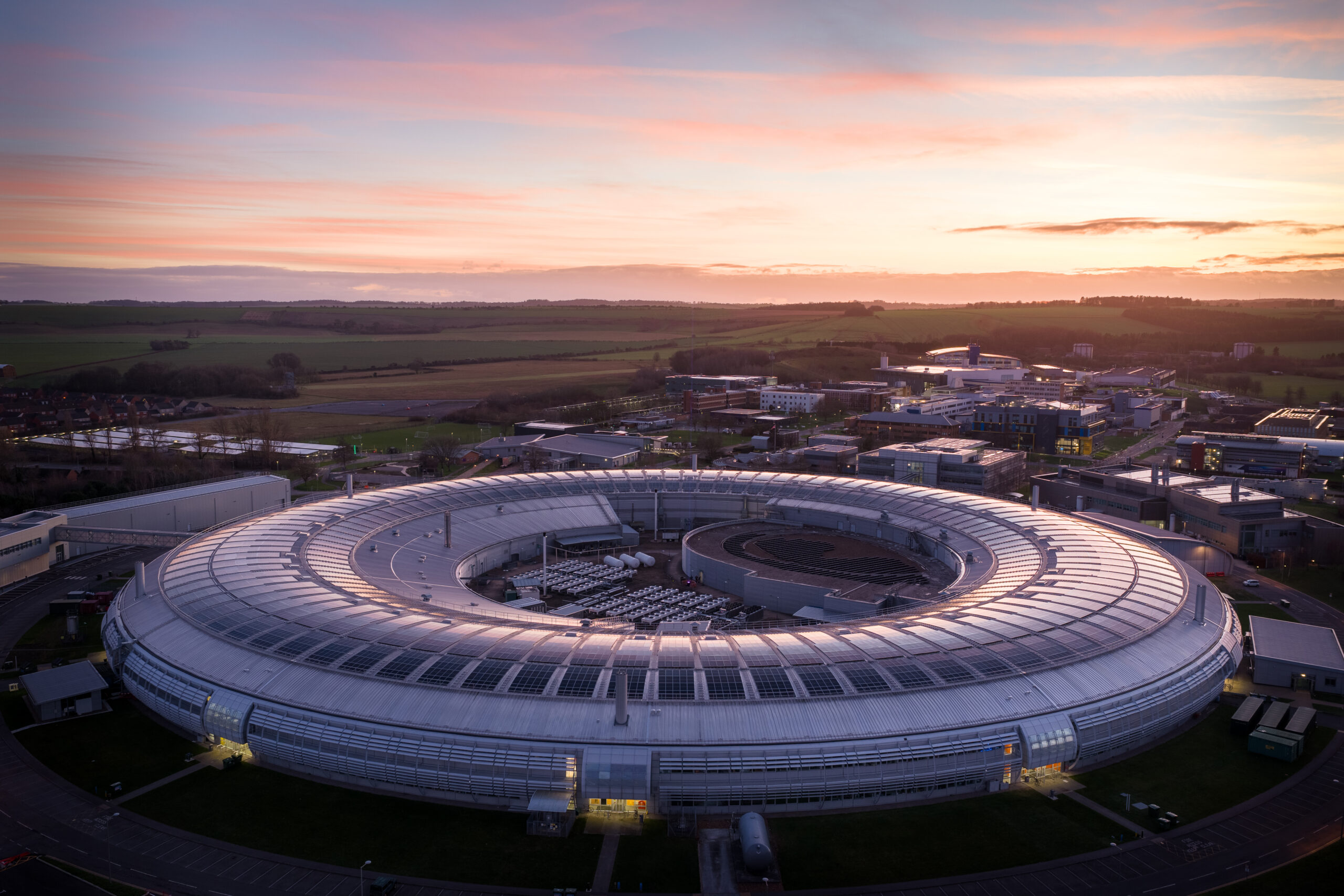
The campus needs to evolve. Our organisations require cutting-edge facilities, improved connectivity, and enhanced collaborative spaces. The Campus has grown rapidly over the last 5 years and we have ample capacity to accommodate decades of growth – the time to prepare is now.
Government backing creates opportunity. The Government’s commitment to science and innovation – and its recognition of the Oxford–Cambridge region as a strategic priority – creates a unique window. Harwell is a major anchor in this region of extraordinary scientific and economic potential.
Our area is changing rapidly. New residential communities are emerging at Didcot and Wantage. Infrastructure needs to be upgraded. This is the moment to ensure Harwell is more closely connected to these developments – benefiting both the campus and the wider community.
Now is the perfect opportunity to renew our Vision and masterplan for the whole site, delivering better outcomes for researchers and businesses while generating significant economic and scientific benefits for Oxfordshire and the UK.
Harwell Campus is already a cornerstone of Oxfordshire’s innovation economy, and getting its long-term vision right matters for the whole region. This consultation is an important step in ensuring the campus continues to attract investment, talent and collaboration at the scale needed to drive sustainable growth across Oxford and beyond.
Neale Coleman CBE, Chair of the Oxford Growth Commission
The Vision
The campus partners – UKRI Science and Technology Facilities Council, the UK Atomic Energy Authority, and Brookfield – are committed to creating something extraordinary: a ‘Beacon of Science and Innovation’.
Harwell Campus will be a place where world-leading research sits alongside thriving businesses, where the next generation finds inspiration, and where communities understand the discoveries shaping our future.
DESIGN PRINCIPLES
An underpinning ethos guides Harwell’s development, built on eight decades of scientific excellence
Respect our boundaries – with plentiful space to grow and situated within the North Wessex Downs, there is no need to expand beyond our long-established boundaries
A dynamic scientific campus – focused on research and innovation, not residential development
Evolution, not revolution – continue our collaborative approach to campus expansion
Built for collaboration – creating more collaborative spaces that inspire and connect
Walking first – a green, energising, sustainable campus built around active travel, where cycling and walking are the natural choices
Living lab – adopting first-in-class approaches to sustainability and research practice
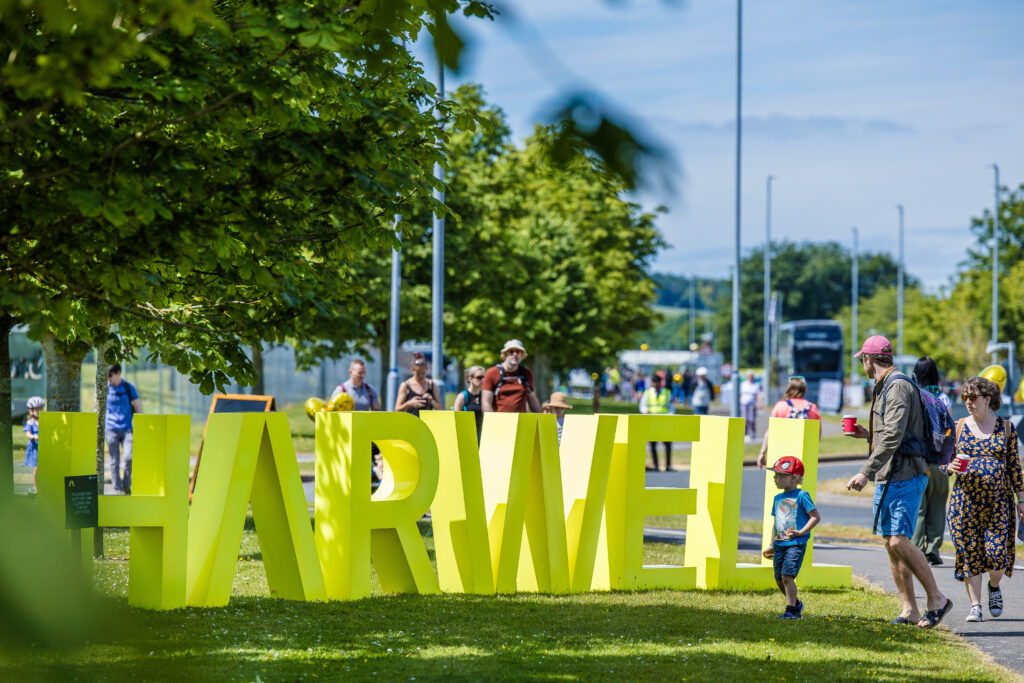
Open to everyone – a place where families visit at weekends, schools bring pupils to explore, students connect and find inspiration, and innovators choose to locate
It’s great to see Harwell Campus thinking sustainably and strategically about how it can continue to evolve. Harwell plays a crucial role in supporting research, university spinouts and scale-ups, providing the environment, infrastructure and collaboration needed to help Oxfordshire’s innovation pipeline thrive and translate world-class research into real economic impact.
Irene Tracey, Vice Chancellor of the University of Oxford
THE THREE PHASES
We will deliver our vision across three distinct phases, each with clear community benefits.
Phase 1:
Increase Campus Connectivity (Years 1–5)
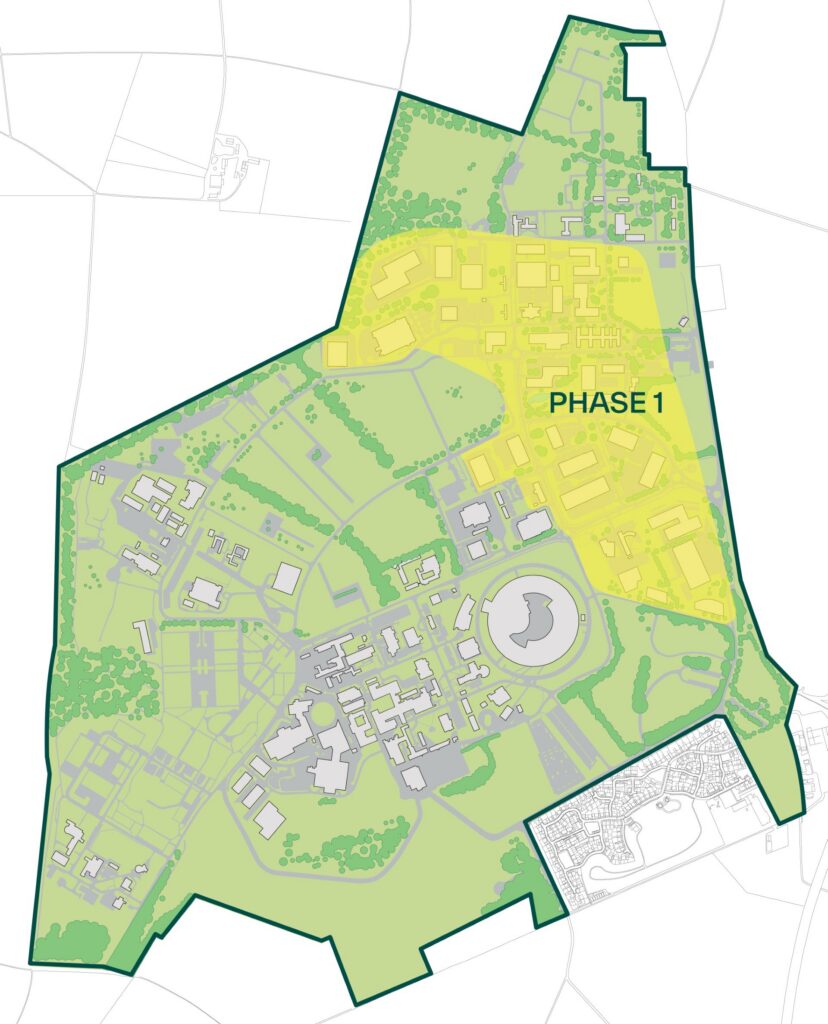
This phase will focus on making the Campus more cohesive, accessible, and welcoming.
What we’re planning
New Research Spaces and Institutes
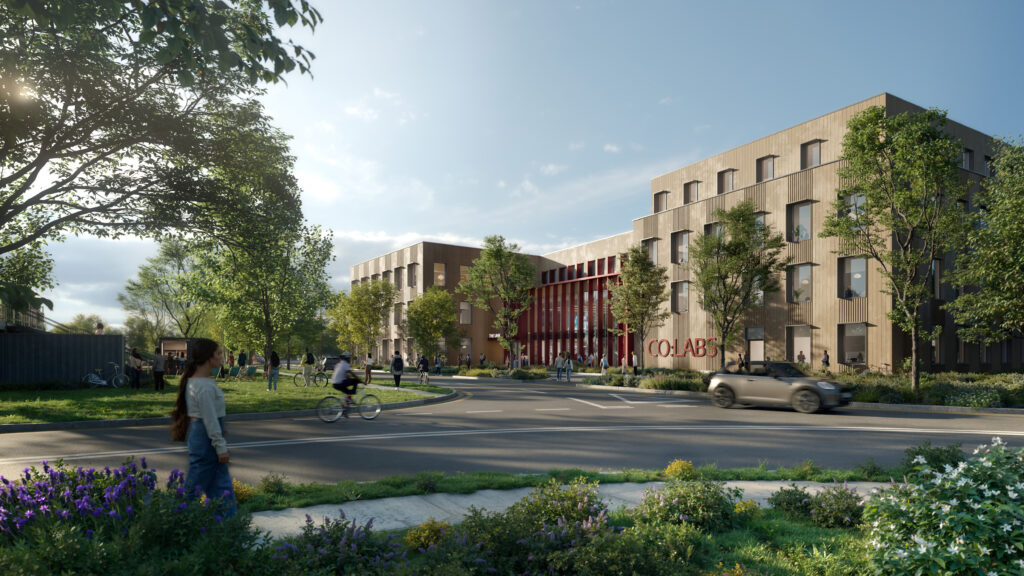
- Accelerator Quarter – a new innovation zone for start-ups and scale-ups starting with the CO:LABS building opening in 2026
- Opening new and upgraded National Facilities – the Extreme Photonics Application Centre and VULCAN 20-20, both at STFC’s Central Laser Facility, and the Diamond II upgrade will maintain the UK at the cutting edge of global scientific facilities
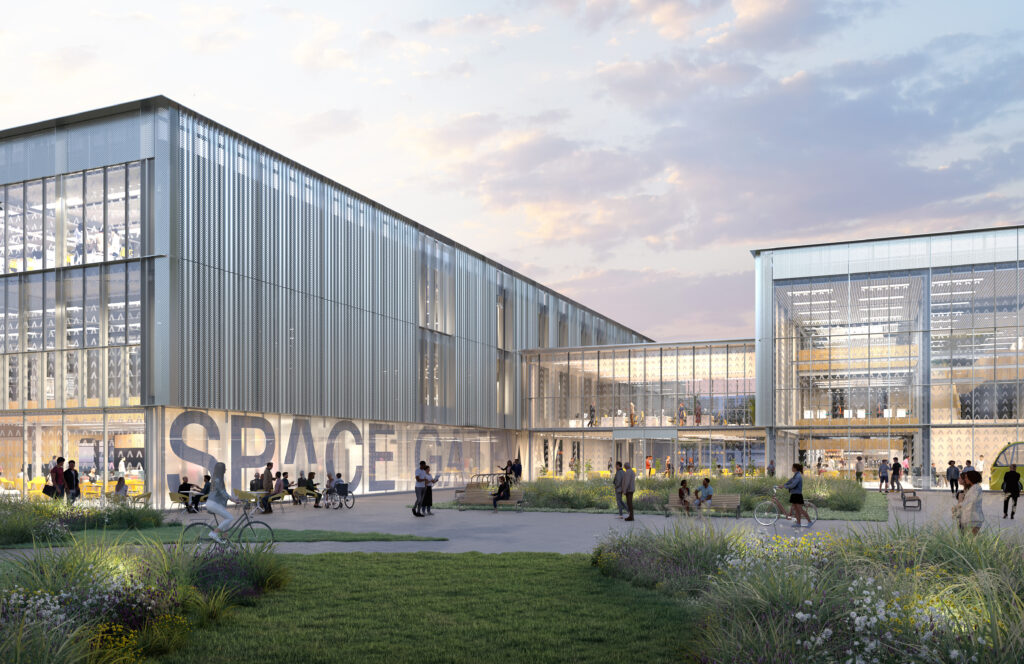
- New sector gateways – dedicated collaborative spaces for each of our key clusters: clean energy, quantum computing, space, defence and life sciences
- Expanded incubation support and labs across all clusters, alongside new Skills Academies for each cluster
Enhanced Campus Facilities
- Science adventure playground and park – green space inspiring young people
- New community hub – a modern facility with cafe, supermarket and event spaces
- A new hotel – enhanced accommodation for researchers, businesses and visitors
- Sports facilities – an all-weather pitch for Campus residents and the local community
- Improved entrances and wayfinding – a more open, welcoming campus
- New installations explaining our history and heritage
Greener and More Connected
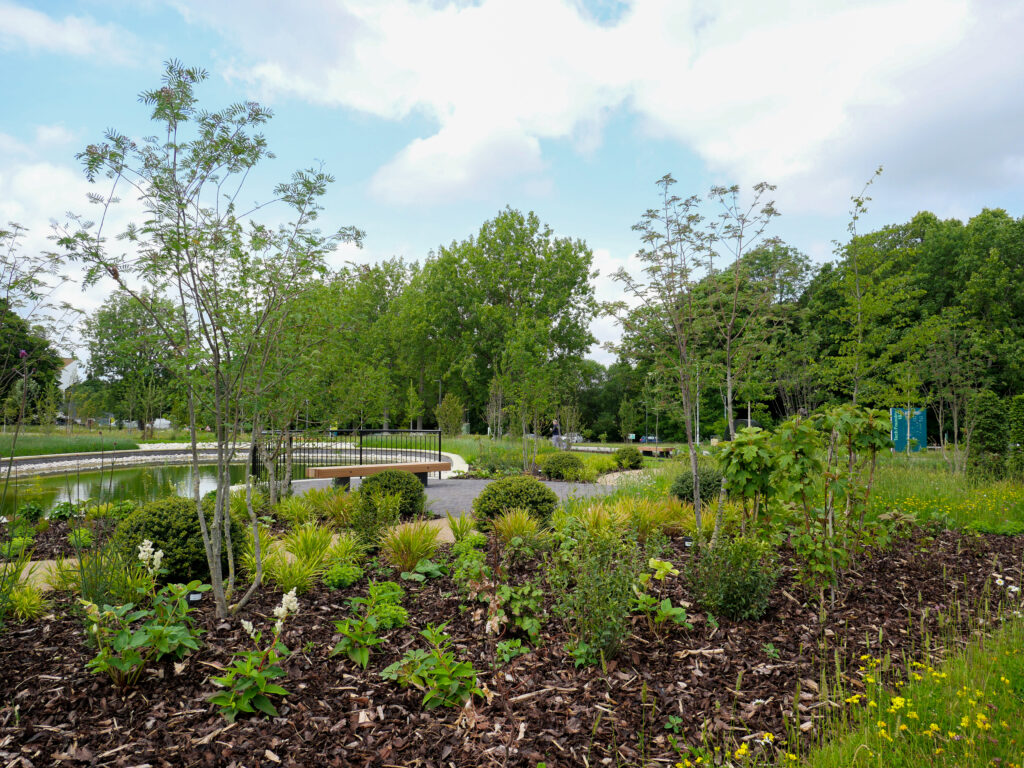
- Enhanced habitats and ecological improvements – wildlife spaces benefiting everyone
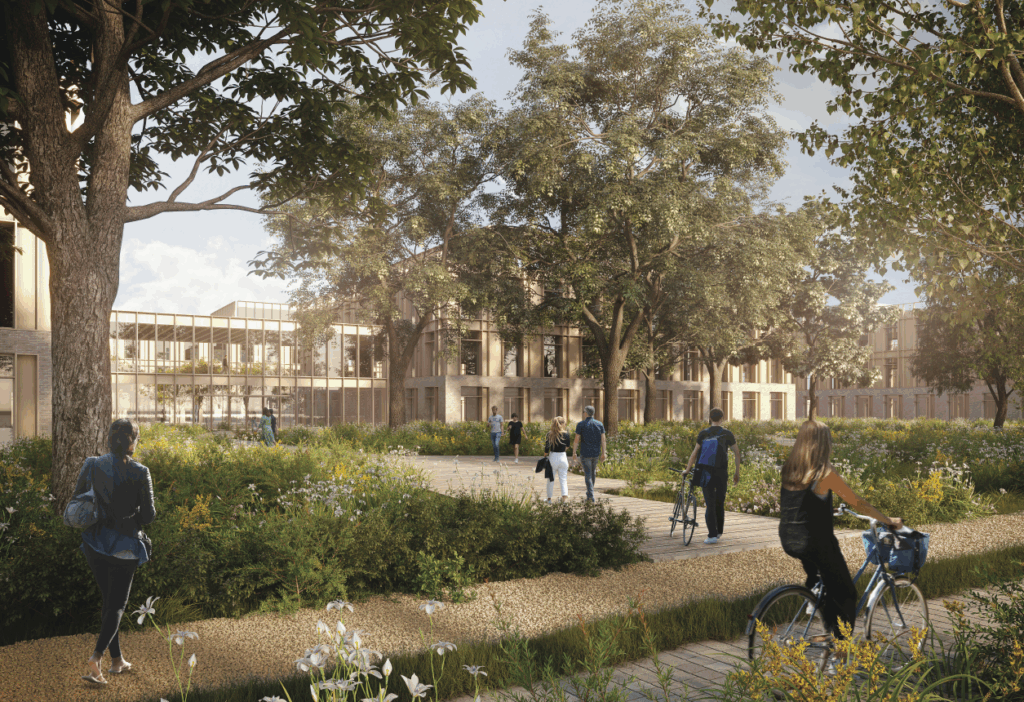
- Better pedestrian and cycling routes – improving access across campus
- Enhanced shuttle services – delivering improved transport links to Didcot railway station and surrounding towns
- Strategic deployment of sustainable smart grid and green energy solutions
Community benefits: More open, accessible campus with easier access for local families and schools. Better transport connections for everyone.
Development potential: 1 million sq. ft
Phase 2:
Enhance and Expand (Years 6–12)
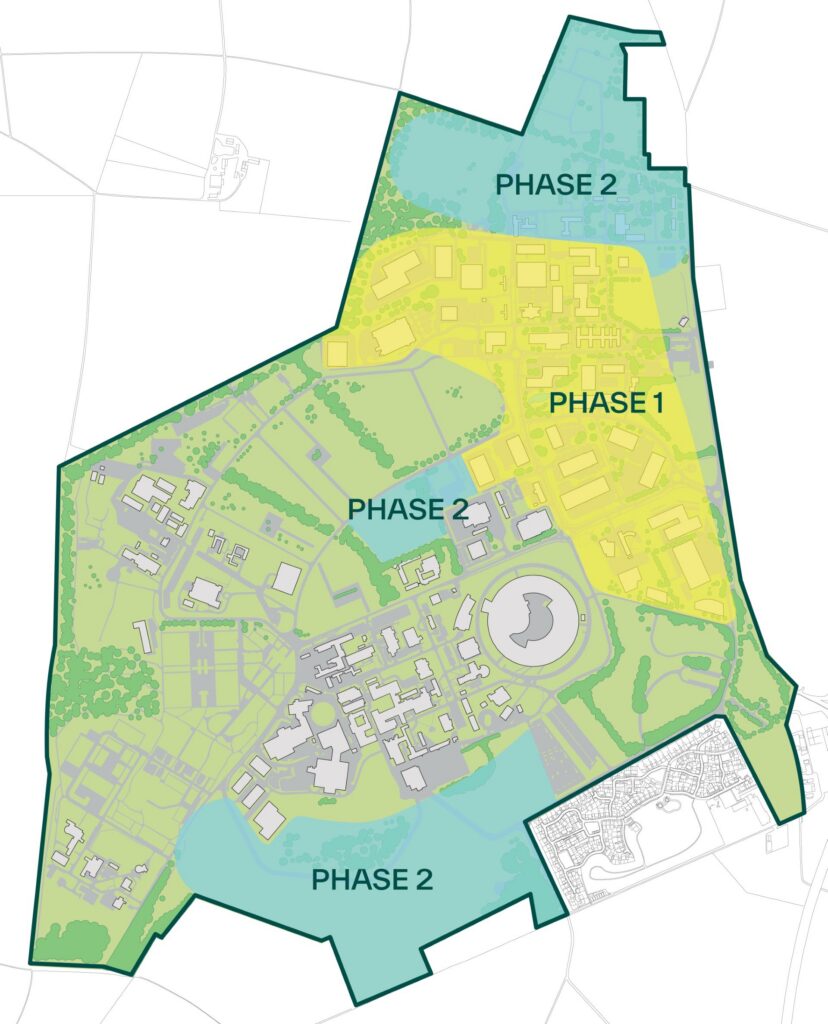
This phase will focus on strategic expansion to the north and south of the Campus, deepening connections with local communities and educational institutions.
Northern expansion – focused on commercial innovation:
- New flagship facilities for spin-outs, scale-ups and established businesses
- Enhanced catering and leisure facilities
- New woodlands, wildflower meadows, and green spaces
Southern expansion – focused on national research capabilities:
- New science visitor centre – welcoming schools, families, and the public to understand more about Harwell’s heritage and its cutting-edge work
- Expansion of national research capabilities – cutting-edge science keeping the UK at the global forefront
- New postgraduate institute – the Harwell Institute of Technology (HIT) – strengthened university partnerships, creating science career pathways
- Enhanced collaboration spaces – breaking down barriers between research groups
Campus-wide improvements:
- Opening up the Campus – increased collaboration and accessibility, fewer fences
- Enhanced catering and leisure facilities including new farm shop/café, wellness studios, walking trails and art installations
Community benefits: Visitor centre becomes a regional hub for science engagement. More students, science career pathways and employment opportunities across the region.
Development potential: 2 million sq. ft

Phase 3:
Building for the Future (Years 12+)
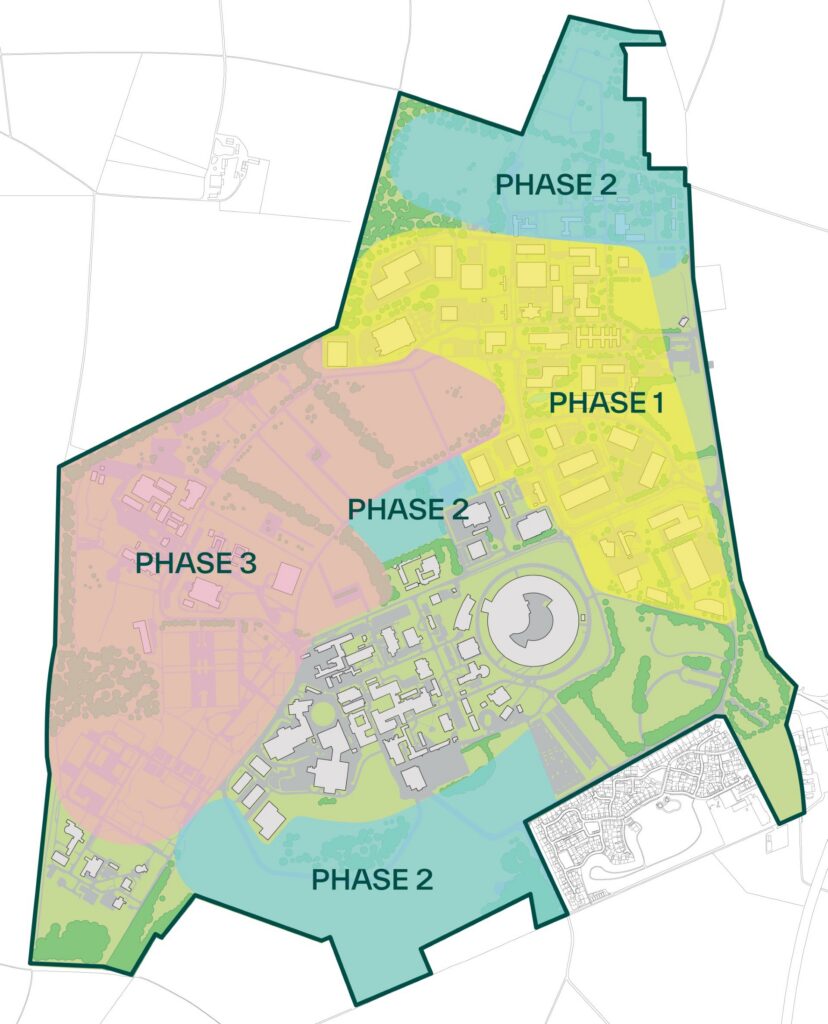
This phase will focus on strategic development to the west of the Campus, creating flexible, world-class facilities responsive to the science of the 2040s.
We cannot predict with certainty what scientific challenges will define the 2040s. That’s why Phase 3 is designed with flexibility at its heart – creating beautiful, sustainable spaces that can accommodate whatever cutting-edge research Harwell will be leading.
What we’re planning:
- Next-generation research buildings – flexible, net-zero workspaces
- Enhanced visitor and public engagement facilities
- Expanded hotel and hospitality options
- Landscaped areas and pocket parks
- Contemporary best-practice sustainable research environments
Community benefit: Harwell remains world-leading and prepared for tomorrow’s science, while staying rooted in sustainable practice and community engagement.
Development potential: 1.5 million sq. ft


Harwell Campus is one of Science Vale’s greatest assets – a place where world-leading science and innovation sit alongside a thriving local community. I welcome this opportunity to engage and encourage residents and businesses to help shape a vision that delivers growth and opportunity while respecting the needs of the people and places around it.
Councillor Bethia Thomas, Vale of White Horse District Council Leader
JOIN THE CONVERSATION
We want to hear from you
Whether you have questions, suggestions, or concerns about our vision.
Closing date for comments on the vision is 10th April
We’re working with a range of partners and stakeholders UKAEA, UKRI-STFC, Harwellians (colleagues who work on campus), Local Authorities, Regional Government, academics, schools, and community groups to create our updated vision.
We need your help to ensure our updated vision meets the needs of researchers, businesses, and our campus neighbours.
Your responses will help us refine the vision, which we will publish later this year. We will also be running public consultation sessions over the coming months, with opportunities to engage online and in person to help shape the Vision.
Complete the form below by 10th April to share your feedback and receive updates.
The UK’s life sciences sector is a fundamental part of our nation’s health and economy. The pioneering work… at Harwell Campus is an example of the opportunity we want to grasp.
Lord Vallance, Minister of Science, Innovation, Research and Nuclear
