
Quantum technologies
Advancing Quantum Materials Research at RAL
19th Oct
9:00 – 16:30 | RAL Visitor Centre
A cross-disciplinary workshop for those working at RAL to share research and…
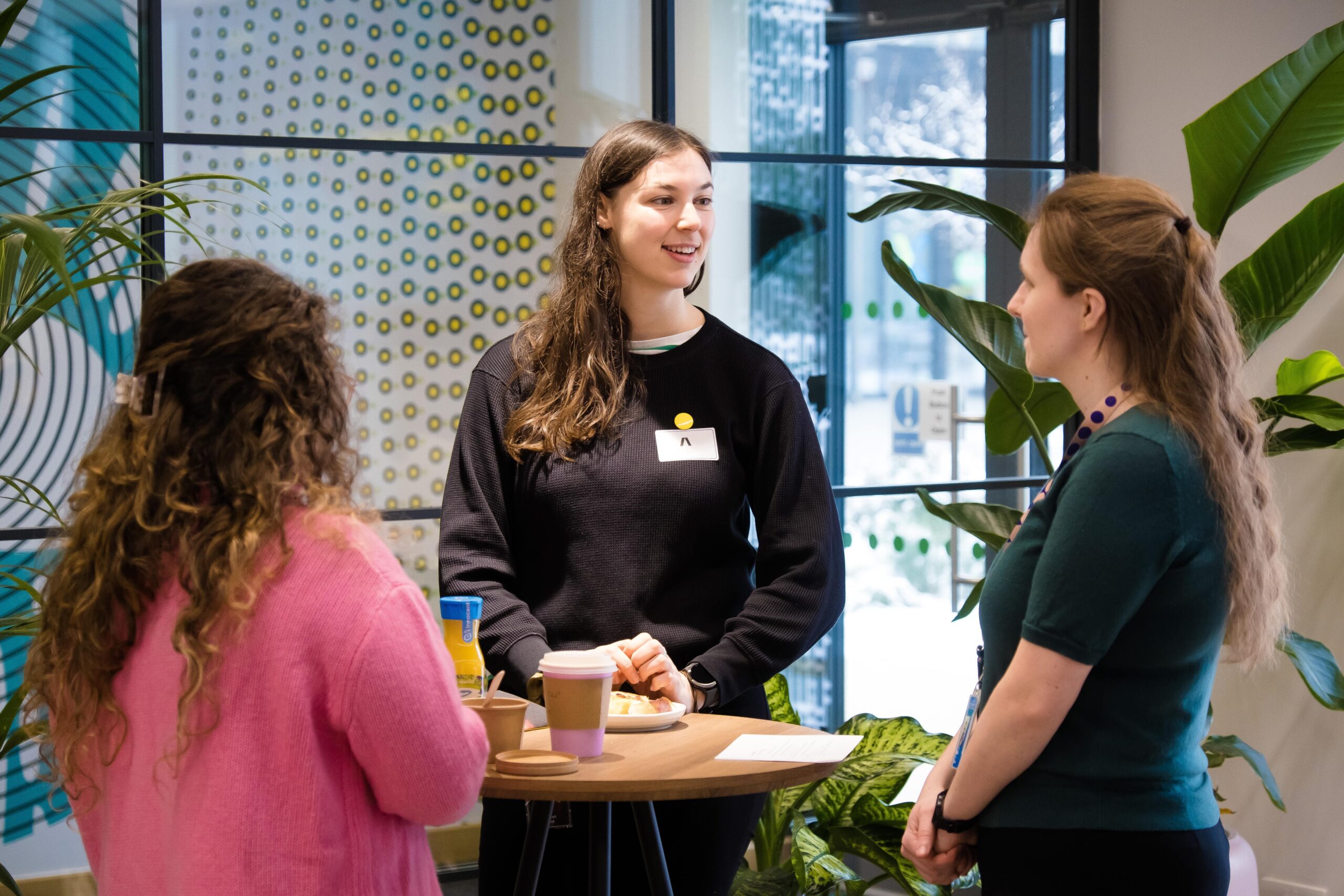

9:30 – 17:00 | Tech Foundry 3, Harwell Campus, OX11 0GD
The RAL Space Early Careers Conference brings together the early career community to build connections, celebrate achievements and explore the future of space together. This year we ask: what drives the future of the space industry? New technologies, growing commercial markets and changing international priorities shape what we do and the skills we will need […]
19th Oct
9:00 – 16:30 | RAL Visitor Centre
A cross-disciplinary workshop for those working at RAL to share research and…
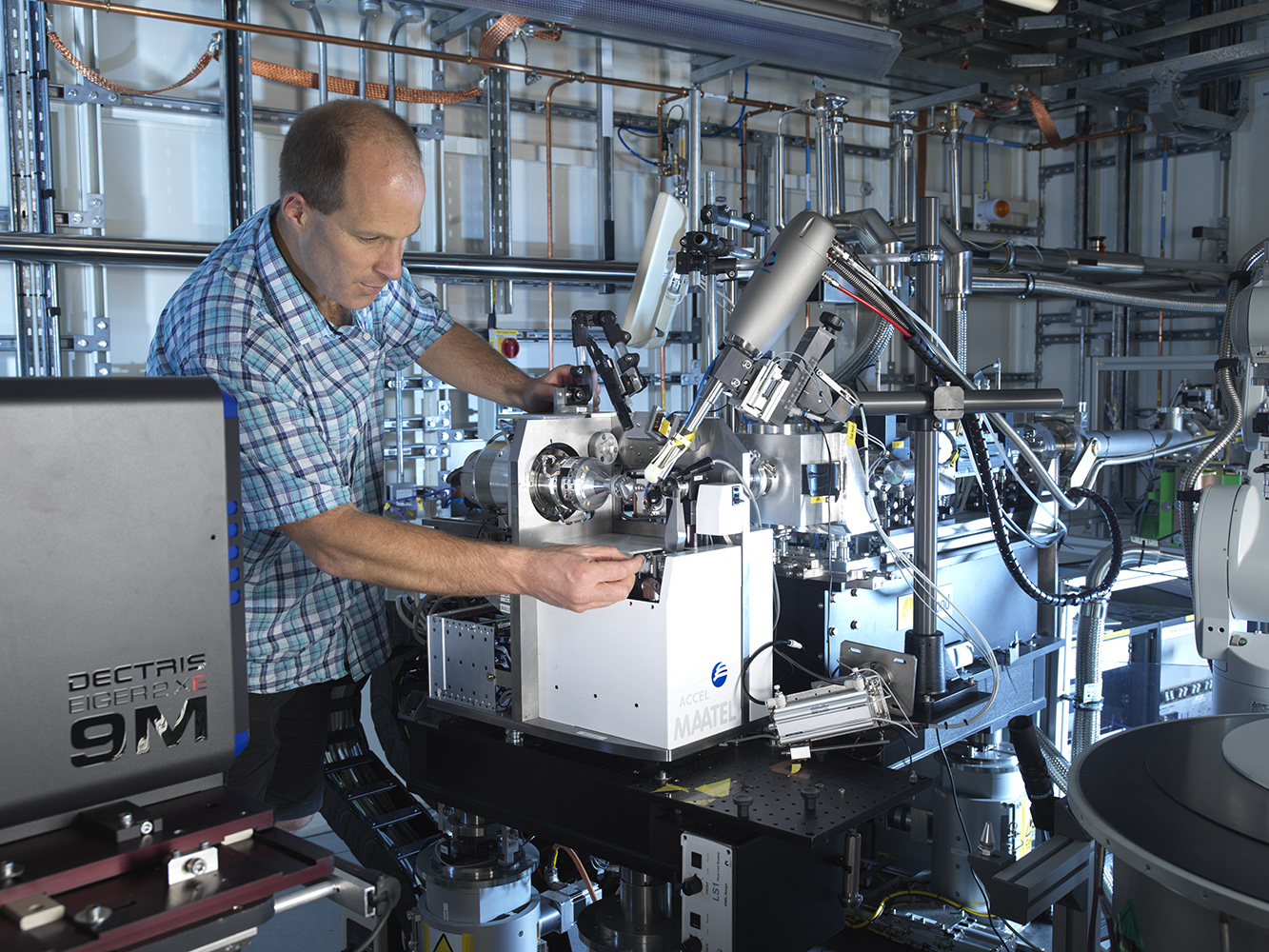
20th Oct
19:00 – 21:00 | Cornerstone Arts Centre, 25 Station Road, Didcot, Oxon, OX11 7NE
Dr Adrian Mancuso joined Diamond in November 2022 from the European XFEL…

19th Oct
9:00 – 17:00 | Hamilton Room, Rutherford Appleton Laboratory Visitors Centre, Harwell Campus
A 2-day training course covering theory and computer-based practical works using…

21st Oct
9:00 – 18:00 | Quad 3, Harwell Campus
Connecting Japanese Innovation with the UK’s leading science and…

22nd Oct
12:30 – 13:15 | First Floor, Quad Three, Rutherford Avenue, OX11 0DF
Free lunchtime yoga sessions with Wellbeing with Rachel…
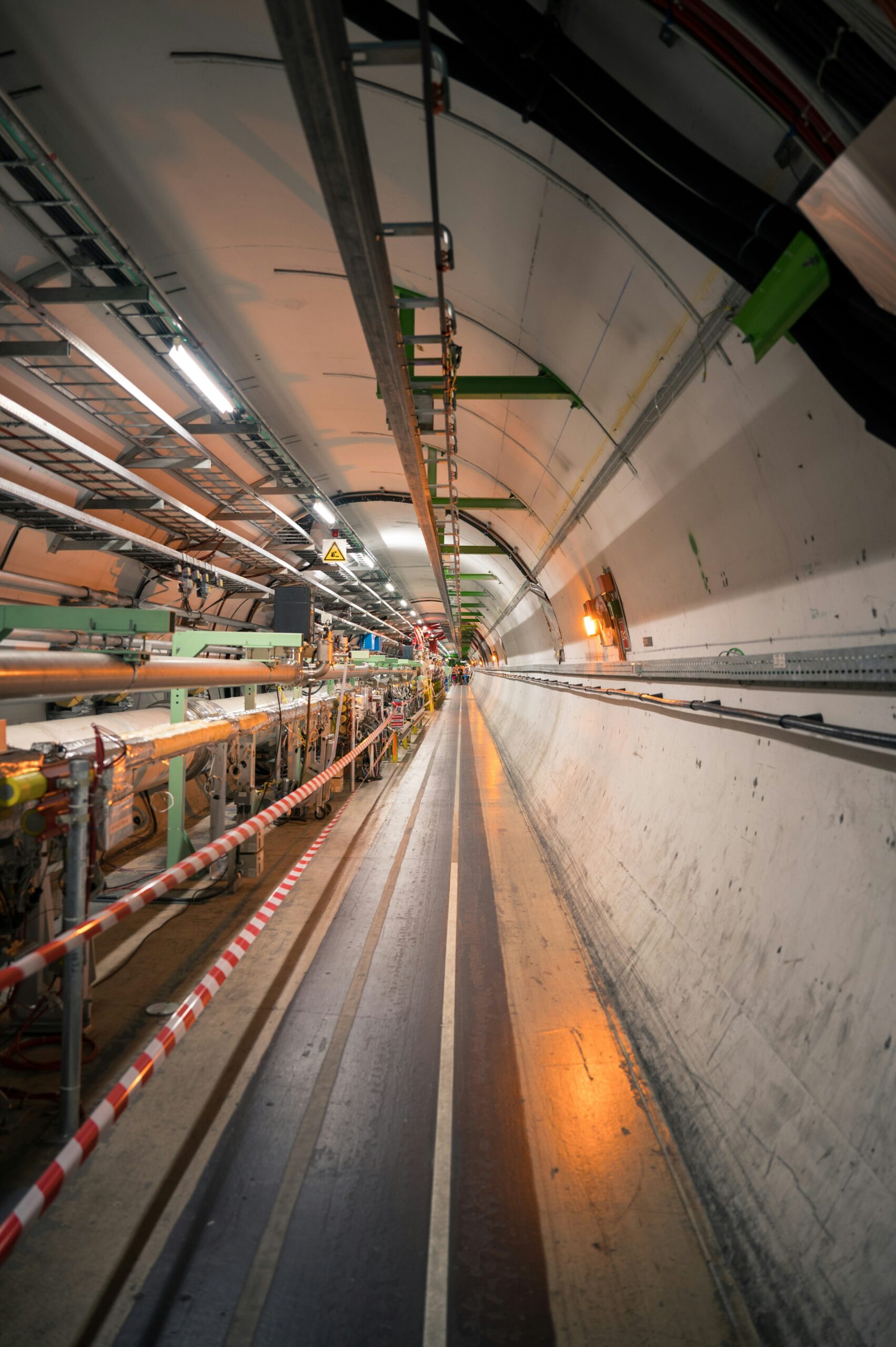
22nd Oct
19:00 – 20:00 | Online
What is a crab cavity and why is it helping scientists explore the Universe…

24th Oct
9:00 – 15:00 | Diamond Light Source, Harwell Campus
Our Inside Diamond open day events offer the chance for members of the public to…
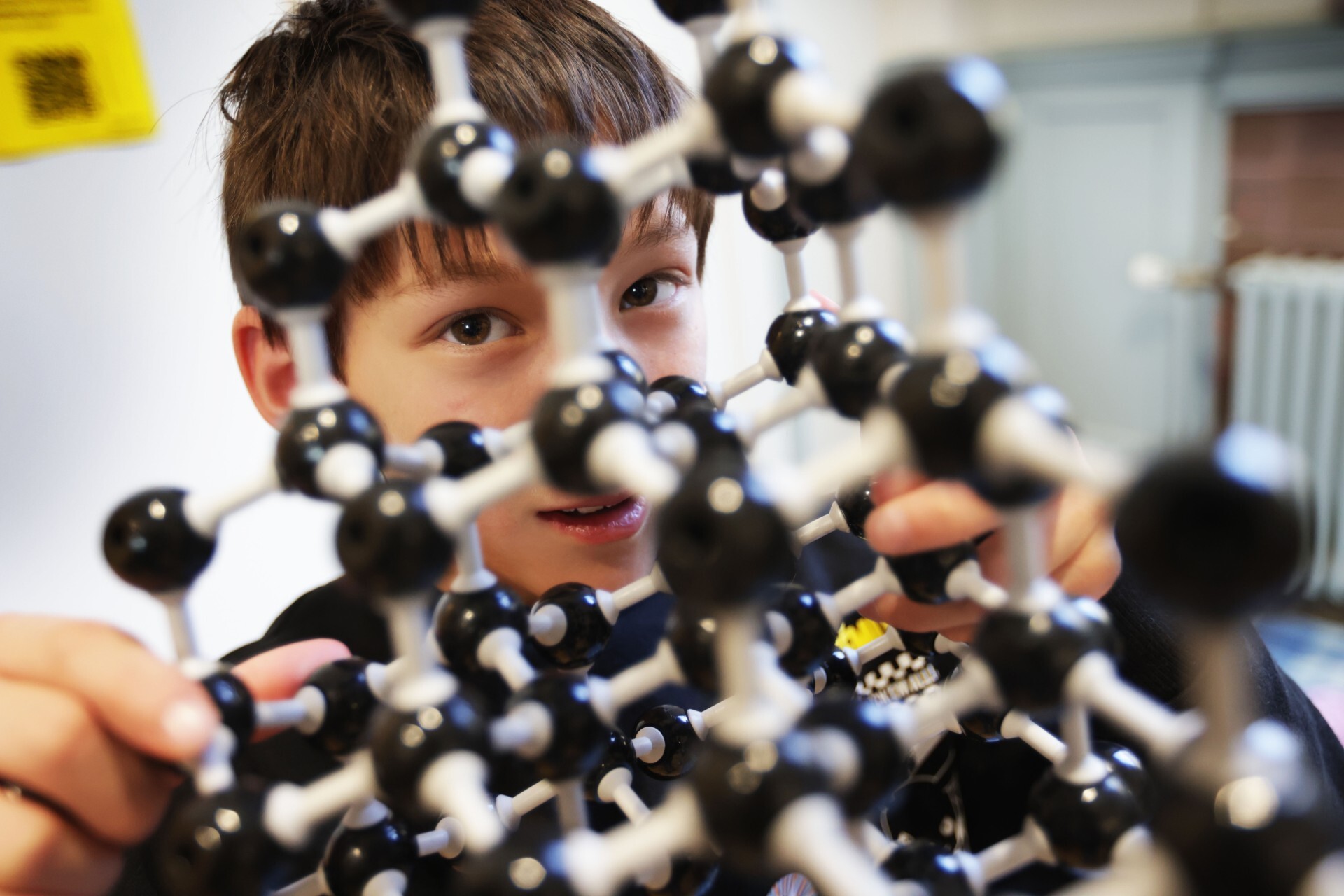
25th Oct
11:00 – 17:00 | ARC Oxford, OX4 2SU
The Festival returns to Oxford’s knowledge quarter in Cowley – ARC…
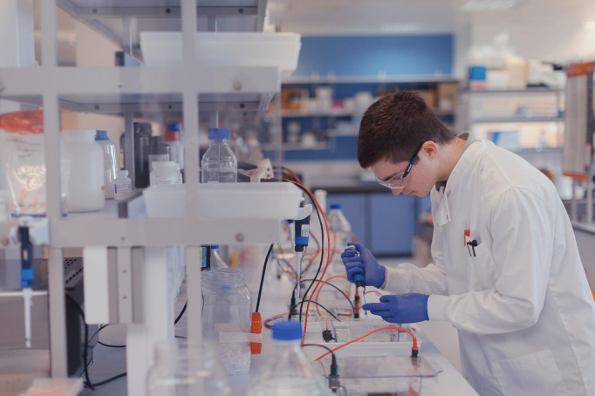
26th Oct
9:30 – 16:30 | Advance Training Centre, MRC Harwell, Harwell Campus, OX11 0RD
This 2-day course provides practical training in how to perform a basic standard…
Showing 9 of 35

The Member of the Future app is available exclusively for ARC members and provides everything you need to make the most of Harwell Campus. You can book classes or meeting rooms, enter competitions and find exclusive discounts. We’re improving the functionality all the time and will be adding add car park booking, visitor registration, shuttle timetables and access to space on our other campuses over the next few months. Scan the QR code or click below to download.


Harwell Connect
Bi-monthly events open to all campus organisations. Providing an opportunity to network and meet colleagues and see behind the scenes of some of the buildings and facilities.

Harwell NextGen
A programme of events and opportunities for early-career professionals and students. Our mission is to foster innovation and collaboration through nurturing and supporting you.
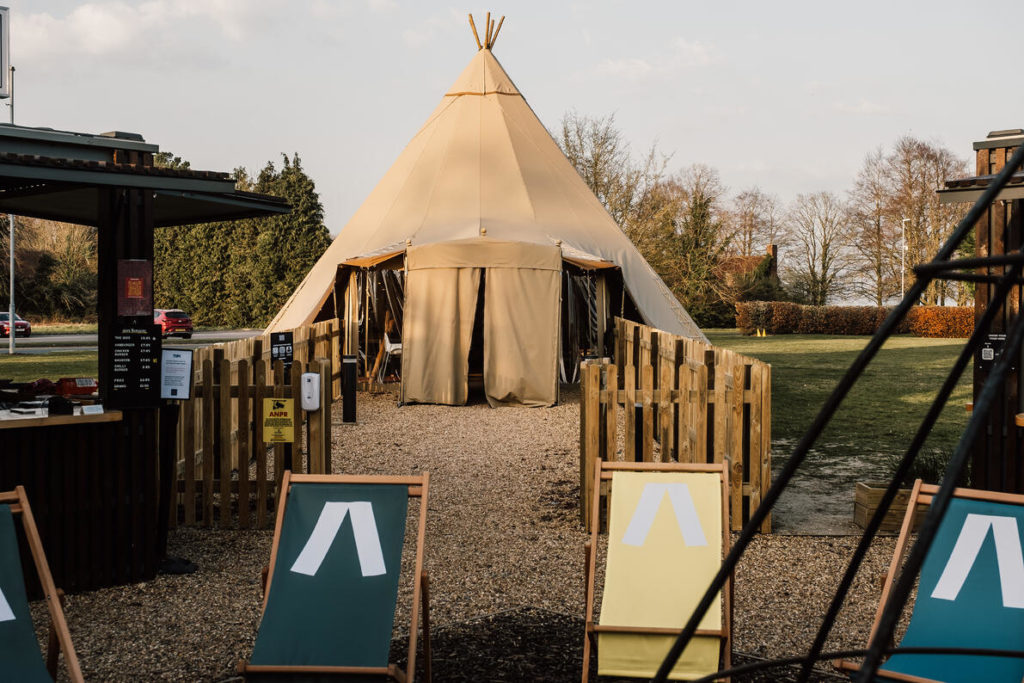
DiSH events
Did you know that events are also held at DiSH, the street food venue here on campus?
Check out their Instagram or Eventbrite page for updates.
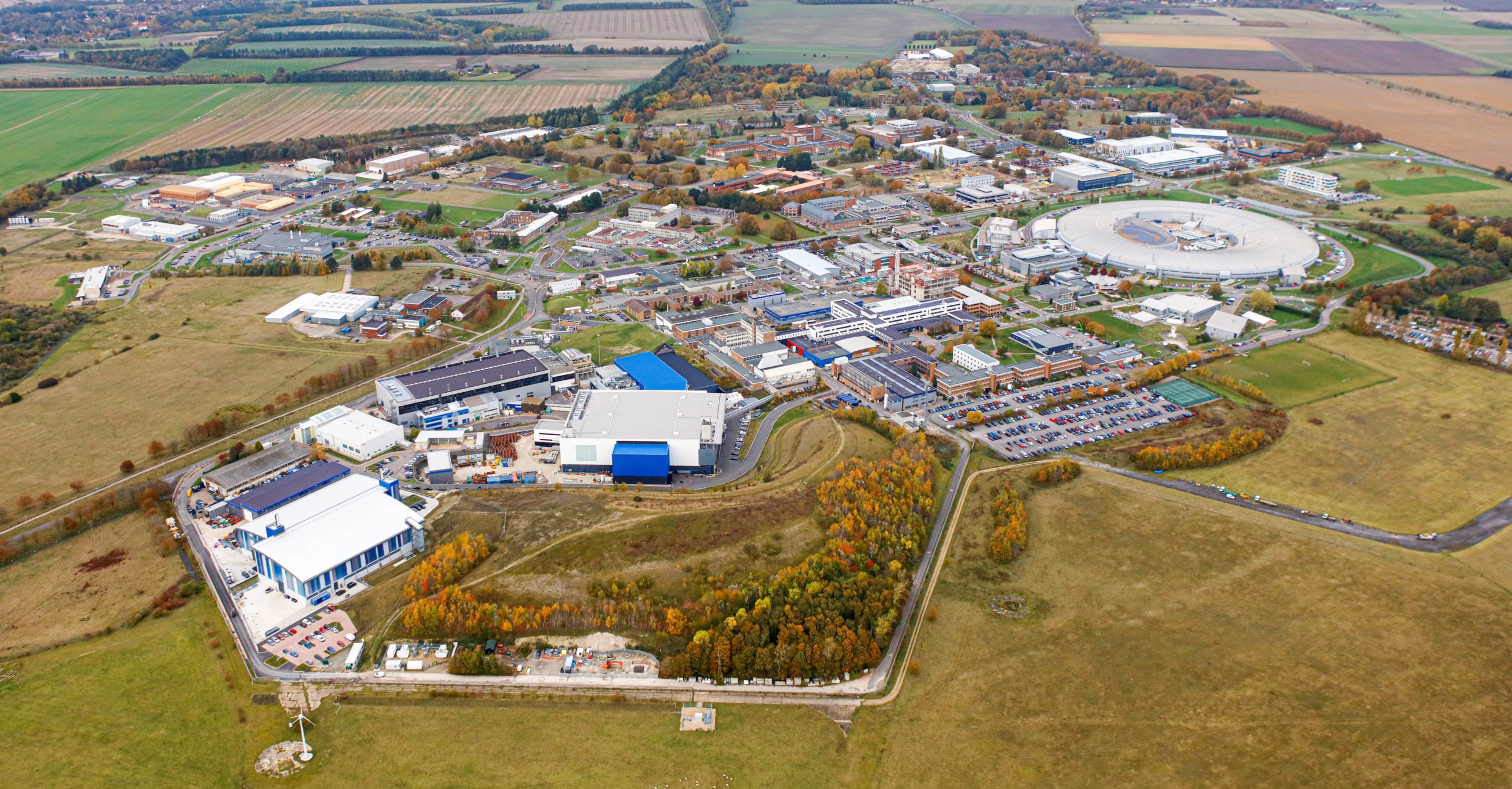
Looking for event space on campus?
