Luminarium: Terceradix
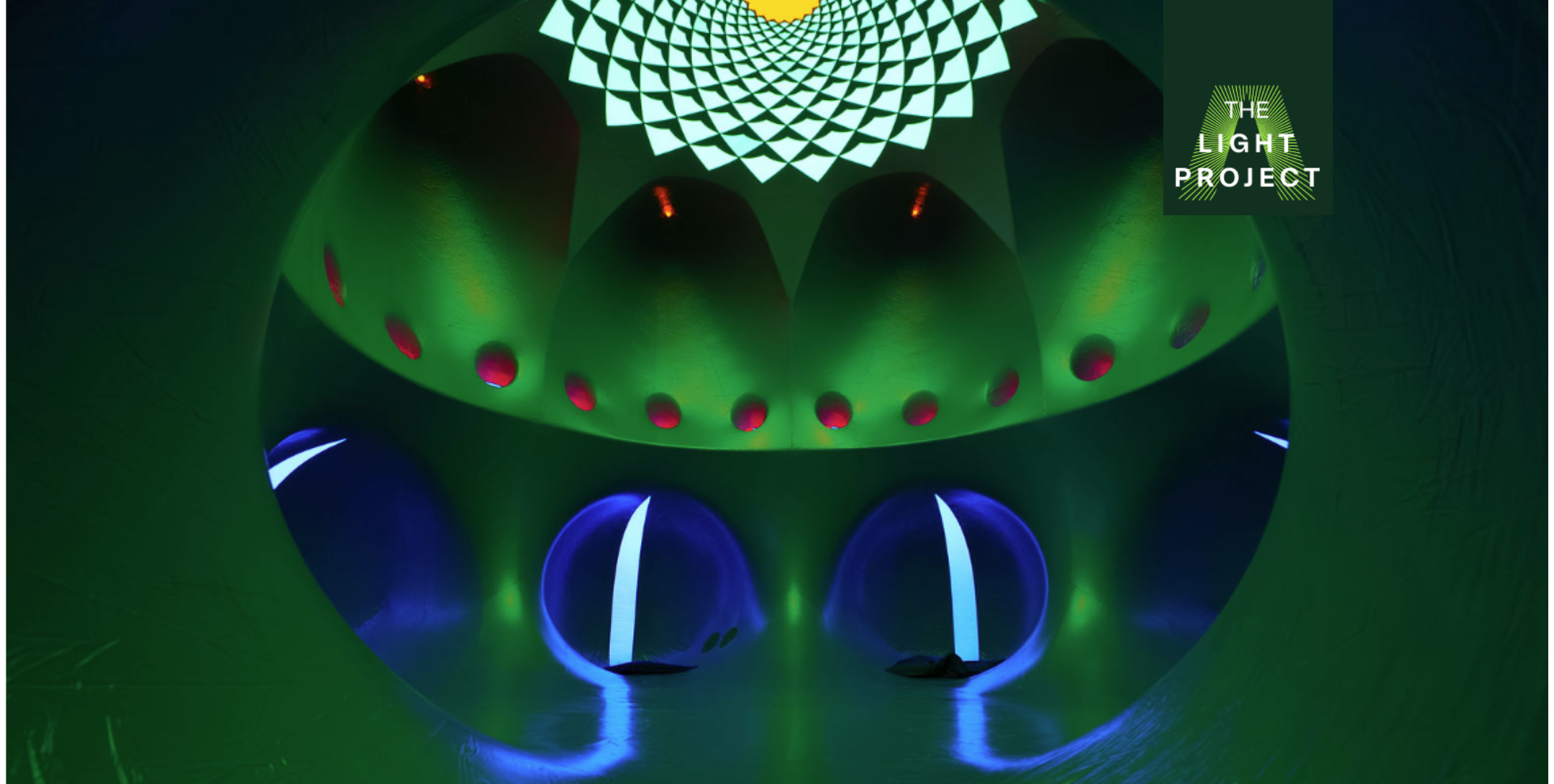
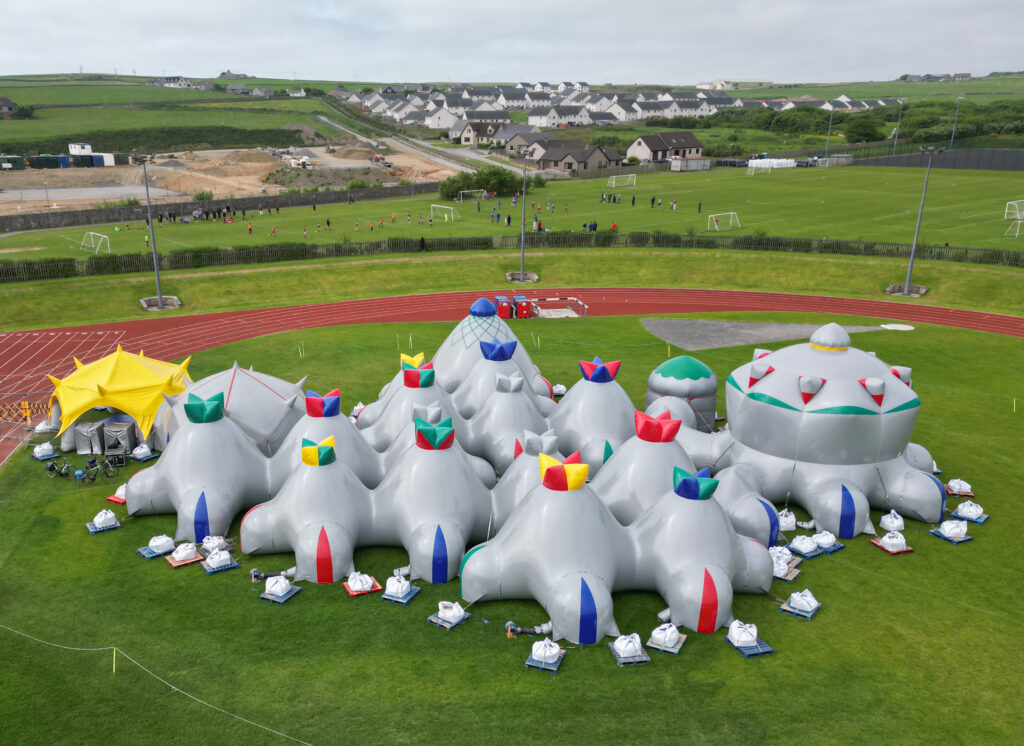
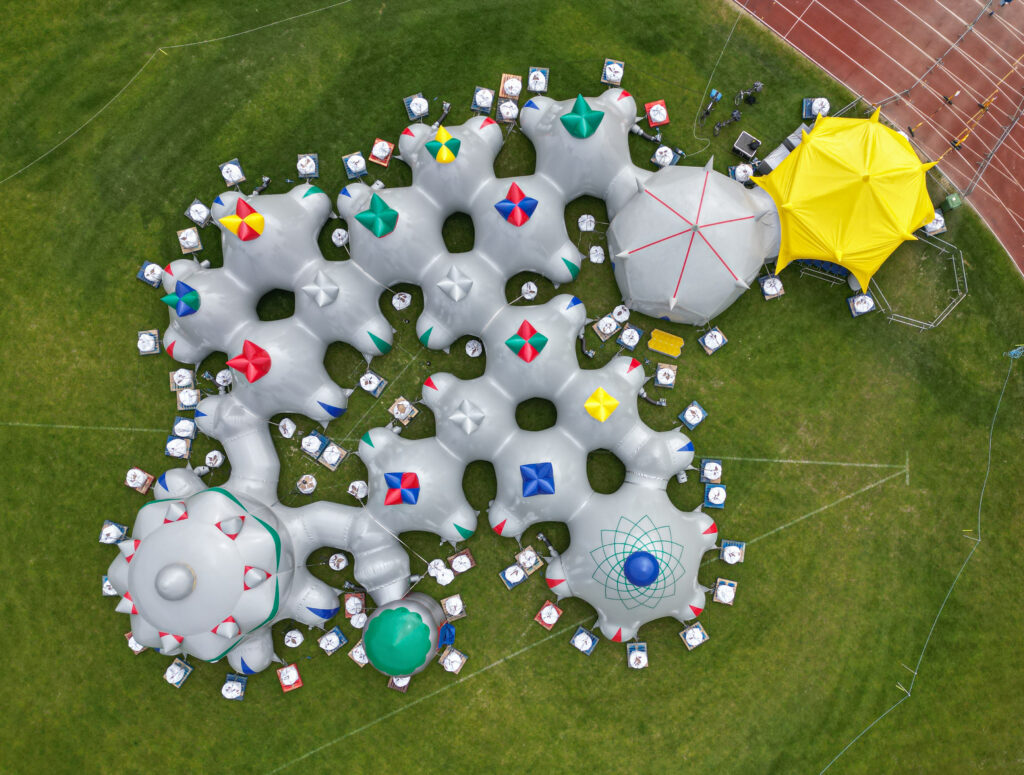
The Light Project’s newest event is a Luminarium, a spectacular walk-through installation that fills visitors with light, colour, and calm.
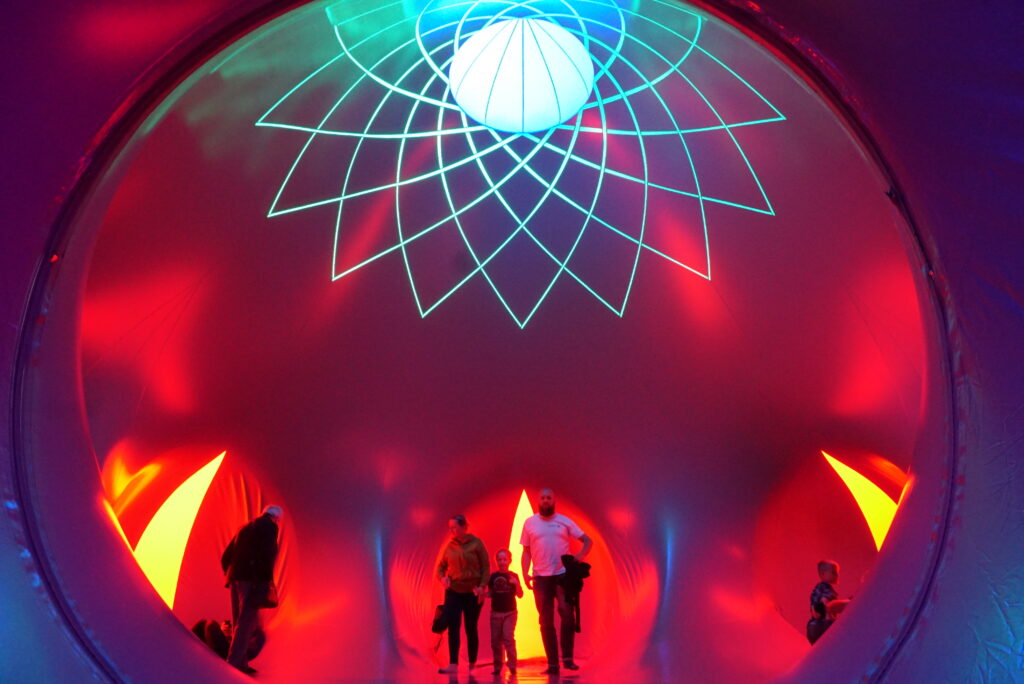
Created and hand-crafted by the world-renowned Architects of Air, this monumental inflatable structure invites visitors to slow down and explore at their own pace. Inside, winding pathways and soaring domes glow with radiant colour as daylight filters through the translucent fabric, creating an ever-changing, immersive experience.
Luminarium is designed to be gentle, inclusive, and open to everyone. There’s no right route and no rush – just space to wander, look, and enjoy being immersed in colour. Whether you’re visiting with family, friends, or taking a quiet moment for yourself, Luminarium offers a rare chance to experience art from the inside out.
Suitable for all ages. A truly memorable experience for curious minds and calm seekers alike.
Dates:
- Friday 29 May
- Saturday 30 May
- Sunday 31 May
Opening times: 11:00 – 17:00
Session length: 30-minute time slots.
Venue: Next to DiSH, Curie Avenue, Harwell Campus (See on Google Maps here)
Ticket Cost:
- Workshops and creative sessions will be priced separately.
- Public session:
- Adult: £5
- Child: £3 (Under 16 years)
- Babes-in-arms: free
Car park access: Ridgeway Carpark (See on Google Maps here). Driving directions from A34 Chilton Interchange here. One-way access route in operation.
Tickets coming soon…
What is Light?
Light is a kind of energy which travels in waves. It moves at mindbogglingly fast speeds – if you wanted to keep up you’d have to run seven and a half times around the Earth in one second!
What are colours?
Light might look white to humans but is actually contains a rainbow of colours. Every colour of light is a different wavelength – from red, the longest, to violet, the shortest.
If something reflects all the different colours and absorbs none, it looks white. If it absorbs all the colours, it looks black.
If something reflects red light and absorbs all the rest, it looks red.
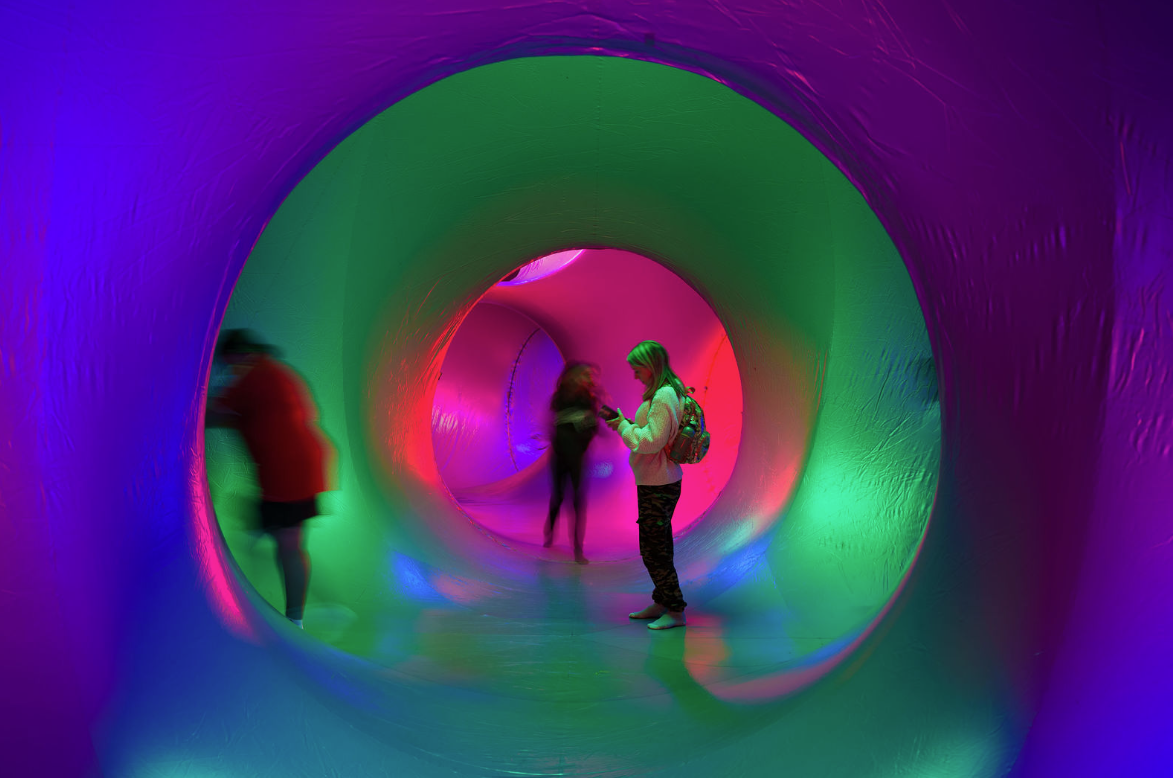
The Luminarium uses fabrics which reflect and disperse different colours to create different zones and patterns.
Image credit: Adam Dennis – Young Hustlers Lumini SEN Event, 18.10.25
Wave-y Light
Light waves are also called ‘electromagnetic waves’, because they have electric and magnetic fields. They span a broad range – also called a spectrum – from very long radio waves to short X-rays and even shorter gamma rays.
Humans can see light waves in the middle of the electromagnetic spectrum. Some animals can see waves that humans can’t. Snakes can sense infrared light and bumblebees can see ultraviolet light – flowers have ultraviolet patterns they use to help find food!
How Harwell’s Scientists use Light
There are loads of ways scientists can use light to understand more about our world, and people at Harwell Campus are working on basically all of them!
Our space scientists build satellites that study how different colours of light shining on the Earth’s surface bounce back.
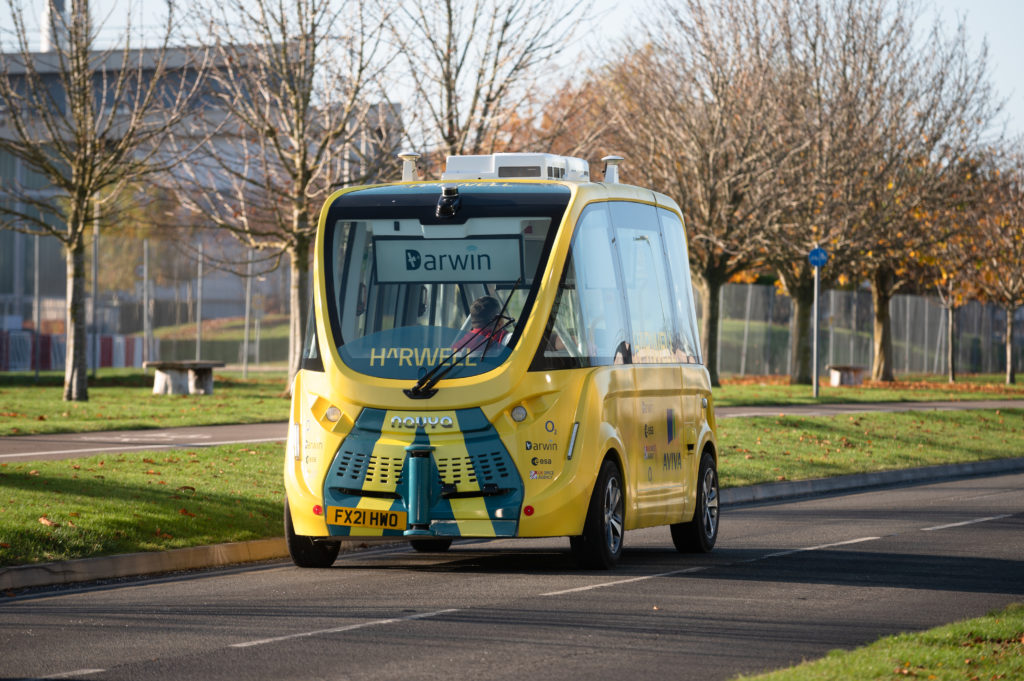
Our bright yellow autonomous bus, Darwin, uses radio waves and different forms of light to find its way around safely.
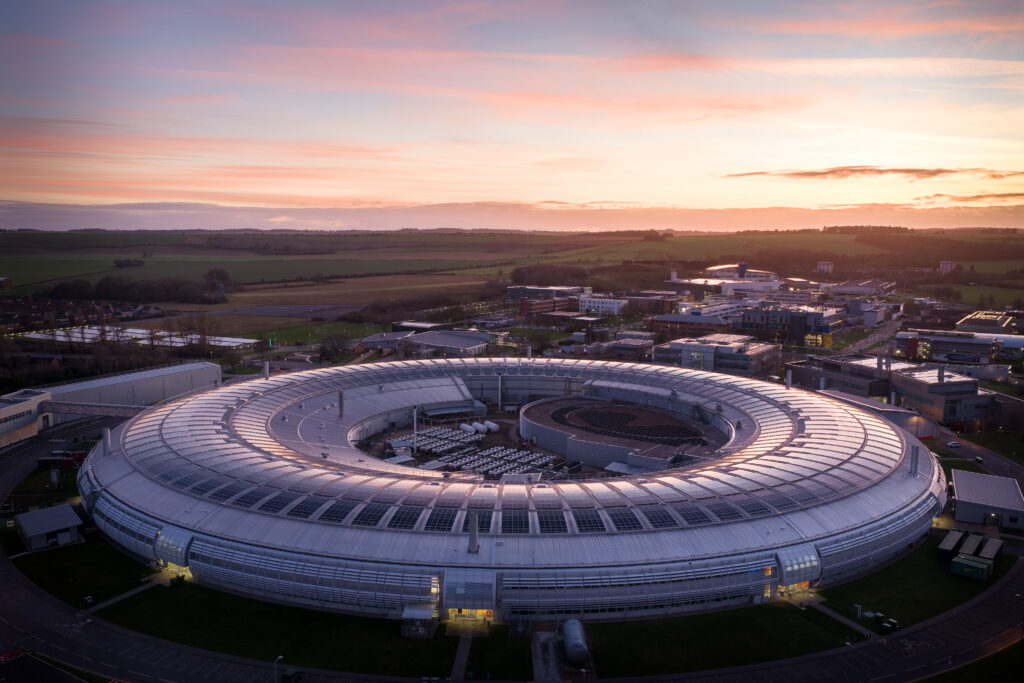
We use super bright X-rays at Diamond Light Source (the giant circular building) as a sort of super microscope to understand matter at the very smallest scale.
The National Quantum Computing Centre is working on new types of computer which use light and can use less energy to perform calculations very quickly.
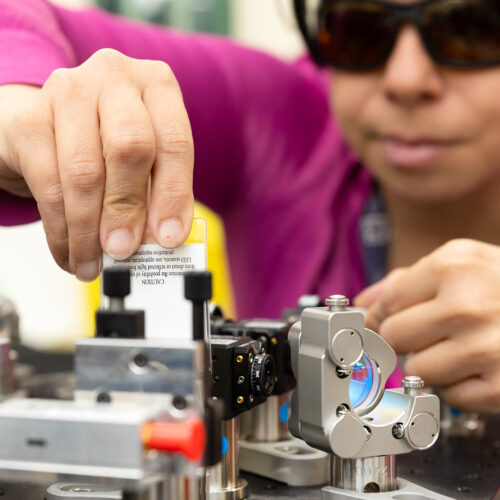
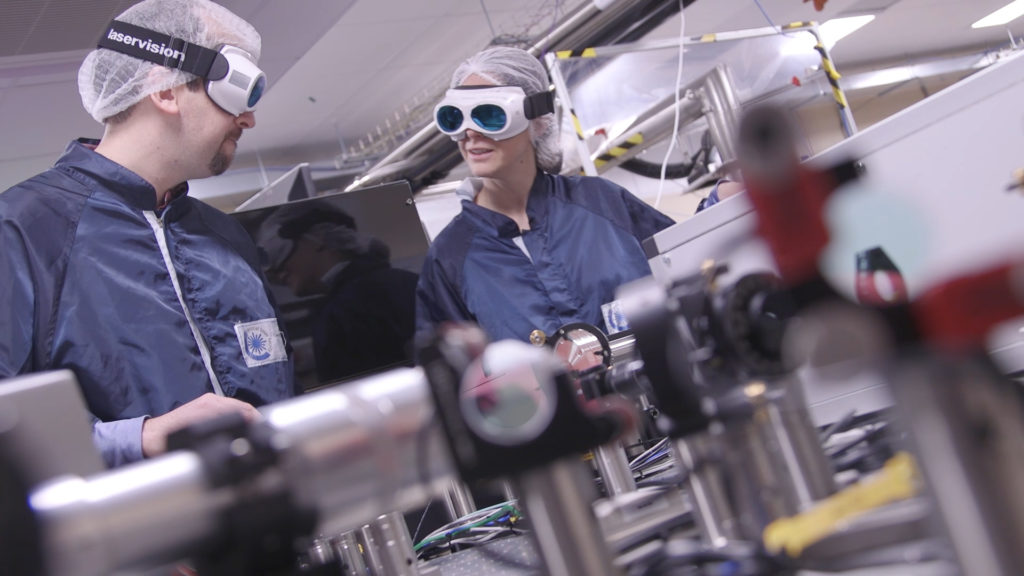
The Central Laser Facility uses very powerful lasers and has developed new ways to detect explosives and understand the origins of the cosmos.
RAL Space developed parts of the James Webb Space Telescope to look at infrared light from distant galaxies. We can see that faraway stars shine in different colours – each pattern of colours is like a fingerprint, showing us which gases they are made of.
Main image credit: Adam Dennis – Young Hustlers Lumini SEN Event, 18.10.25
